Gut Health Supplement Ingredients: Oat Beta-Glucan, Viscosity and the Cholesterol Claim
Quick Answer: What Does Oat Beta-Glucan Actually Do?
Oat beta-glucan is a soluble fibre from the oat kernel that dissolves in water and turns the contents of your stomach and small intestine thick and slow-moving. That thickness — viscosity — is the entire mechanism: it delays gastric emptying, slows the mixing of a meal with digestive enzymes, and holds on to bile acids on the way through. Among gut health supplement ingredients it is unusual in having an effect you can measure in a beaker rather than infer from a theory. The important catch is that viscosity depends on the molecular weight of the fibre chain, and milling, extrusion and heat all cut those chains shorter without changing a single number on the label.
- The mechanism: physical thickening in the upper gut, not fermentation and not a metabolic switch.
- The threshold: the authorised cholesterol wording is tied to roughly three grams a day — grams of fibre, not milligrams of extract.
- The catch: a low-molecular-weight beta-glucan still counts as fibre on a panel but may barely thicken anything.
What oat beta-glucan actually is
Beta-glucan is not one substance. It is a family name for chains of glucose units joined by beta linkages, and the arrangement of those linkages decides everything about how the molecule behaves. Cereal beta-glucan, the kind found in oats and barley, is a linear chain built from a mixture of beta-1,4 and beta-1,3 bonds. The occasional 1,3 link acts like a kink in an otherwise straight rope: it stops neighbouring chains from stacking into the tight crystalline arrangement that makes cellulose insoluble, so the molecule hydrates, unfolds and thickens instead of sitting inert.
In the oat grain, beta-glucan is concentrated in the cell walls of the layer just under the bran coat. That is why oat bran carries substantially more of it per gram than whole oat flour, and why rolled oats sit somewhere in between. The whole grain contains a few percent by weight; commercial concentrates push that far higher by physically or enzymatically stripping away starch and protein.
This matters when you compare gut health supplement ingredients, because the same three words appear on products that do entirely different things. Beta-glucan from baker's yeast or from mushrooms such as maitake is a branched beta-1,3 and beta-1,6 structure. It is largely insoluble, it does not thicken a meal, and the research interest in it is immunological — it binds receptors on certain white blood cells. If you buy a yeast beta-glucan expecting a fullness effect, you have bought the right word and the wrong molecule.
Viscosity is the mechanism, and it is fragile
Here is the part almost no product page mentions. The thickening power of a beta-glucan solution does not scale gently with how much you use. It climbs steeply with concentration and, crucially, with the average molecular weight of the chains. Long chains entangle with one another and resist flow; short chains slide past each other. Cut the average chain length in half and you do not lose half the viscosity, you lose considerably more than that.
Oats contain their own beta-glucanase enzymes, which is one reason oats are steamed and kilned during processing: heat inactivates the enzyme before it can digest the fibre in storage. Everything afterwards works in the other direction. Extrusion cooking, high-shear milling, prolonged heating, acidic conditions and microbial enzymes from poor storage all depolymerise the chain. The fibre survives as fibre — it is still counted, still declared, still technically present — but its functional character has changed.
Solubility is the second variable. Only the fraction that actually dissolves under gut conditions contributes to viscosity, and processing that traps beta-glucan inside intact cell walls leaves some of it unavailable. Between molecular weight and solubility, two products declaring the identical milligram amount of oat beta-glucan can behave very differently in the same glass of water, and neither label will tell you which one you are holding.
A gram of beta-glucan that has been sheared into short fragments is still a gram of beta-glucan on the nutrition panel. It simply does not thicken anything — and thickening was the entire reason it was on the label.
Viscosity by a different route
AlkaSlim skips oats entirely and builds its thickening on konjac glucomannan and baobab fibre. If you are weighing up the best gut health supplement for weight loss, the mechanism on the panel matters more than the marketing on the front.
See the Official AlkaSlim StoreFrom a thick gel to feeling full
A viscous meal leaves the stomach more slowly. That single fact drives most of the satiety argument for soluble fibre, and it is reasonably well supported: gastric emptying studies consistently show that adding a thickening fibre stretches the time a meal takes to move on. Nutrients then arrive in the small intestine spread over a longer window rather than in a rush, which prolongs the hormonal signalling that accompanies digestion.
What follows is where honesty is required. In short, controlled studies, people asked to rate hunger and fullness after a beta-glucan-containing breakfast frequently report feeling fuller for longer than after a matched control meal. That is a genuine and repeatable finding. Whether it translates into eating measurably less over the rest of the day, and then into changes in body weight over months, is a much less consistent story. Appetite ratings and actual food intake are not the same measurement, and the gap between them is where a lot of over-confident marketing lives.
Further down, the picture changes again. Beta-glucan that reaches the colon is fermented by resident bacteria into short-chain fatty acids — acetate, propionate and butyrate. There are plausible mechanisms by which these could feed back into appetite regulation and metabolic signalling, and they are a legitimate area of study. In humans, at supplement doses, that chain of reasoning remains more hypothesis than demonstration, and anyone presenting it as settled is telling you about a mouse.
The cholesterol claim, read literally
Oat beta-glucan carries something most supplement ingredients do not: formal regulatory wording. In the United States, the Food and Drug Administration authorised a health claim covering soluble fibre from whole oats, with eligibility conditions that include a minimum quantity of soluble fibre per serving and a total daily intake in the region of three grams. In the European Union, a claim on maintaining normal blood cholesterol concentrations is tied to a comparable three grams a day, and a separate authorised claim on blunting the rise in blood glucose after a meal specifies a ratio of beta-glucan to the available carbohydrate in that meal.
The proposed mechanism is again physical. Bile acids, which your liver makes from cholesterol to emulsify fat, are normally reabsorbed efficiently in the lower small intestine and recycled. Trapped in a viscous gel, a greater share of them continues onward and is lost, so the liver draws on circulating cholesterol to replace them. It is an elegant, well-described process and it does not require anything mysterious to be true.
Three things deserve stating plainly. The effect size reported in pooled analyses at these intakes is modest, not dramatic. The claims attach to intake of the fibre, generally through foods that carry meaningful amounts, not to any brand or capsule. And a dietary supplement may not lawfully be presented as treating, preventing or reversing heart disease or high cholesterol; supporting the maintenance of levels already in the normal range is a different sentence with a different meaning, and the difference is not pedantry.
Gut health supplement ingredients: how to read an oat label
Three terms appear on oat-derived products and they are not interchangeable. Oat fibre is usually milled oat hull — the woody outer casing. It is almost entirely insoluble cellulose and lignin, it contains little or no beta-glucan, and it is used because it is cheap, pale and bulks a product without adding calories. Oat bran is the outer layer of the groat itself and does carry beta-glucan. Oat beta-glucan concentrate is the purified material, and a serious one states its beta-glucan percentage on the panel.
That percentage is the number to do arithmetic with. If a product supplies 200 mg of a concentrate that is 70 percent beta-glucan, you are getting 140 mg of the active fibre. Reaching the three-gram mark named in the authorised wording would take more than twenty such servings. This is the same arithmetic problem that quietly undermines a great many products marketed as the best fiber supplement for gut health and weight loss: a capsule of a light powder holds roughly half a gram, so gram-scale fibre doses simply do not fit into a small capsule shared with three other ingredients. Powders, sachets, drink mixes and ordinary oat foods deliver these amounts without difficulty; capsules mostly do not.
Molecular weight, the variable that actually decides viscosity, is almost never disclosed. In its absence, the useful proxies are format and behaviour: does the powder visibly thicken a glass of water within a few minutes, and does the manufacturer specify a beta-glucan percentage at all? A product that names neither the percentage nor the source fraction is asking you to trust an unlabelled quantity of the only thing you are buying.
| Fibre | Typical source | Behaviour in the gut | Amount used in research | Strength of evidence for its headline effect |
|---|---|---|---|---|
| Oat beta-glucan | Oat bran and groat cell walls | Soluble, strongly viscous when high molecular weight | About 3 g a day for the cholesterol wording | Good for the cholesterol maintenance claim; mixed for appetite and weight |
| Barley beta-glucan | Barley grain | Chemically very similar to the oat form | Comparable gram-scale intakes | Similar direction of evidence, studied less often |
| Psyllium husk | Plantago ovata seed coat | Highly viscous, poorly fermented, holds water | Gram-scale daily doses, taken with fluid | Strong for stool consistency; supportive for cholesterol |
| Konjac glucomannan | Amorphophallus konjac root | The most viscous of the group per gram | 3 g a day in three 1 g doses before meals | An EU weight claim exists, tied to a calorie-restricted diet |
| Inulin and FOS | Chicory root, agave | Soluble but not viscous; rapidly fermented | Several grams a day | Reasonable for microbiota shifts; poor for satiety, common cause of gas |
| Yeast or mushroom beta-glucan | Baker's yeast, maitake, shiitake | Branched, largely insoluble, does not thicken | Milligram-scale doses | Immunological research only; no viscosity or satiety rationale |
Forms, doses and what the words on the pack mean
Format decides whether an oat fibre product can reach a functional amount at all, and it also decides how the fibre will be treated on its way to you. A concentrate stirred into cold water arrives with its chain length intact. The same material extruded into a crunchy cereal has been through shear and heat. Neither of these facts appears on the front of a box, but the table below covers what is worth knowing before you compare one product with another.
| What the label says | What it physically is | Beta-glucan content | Useful for viscosity? |
|---|---|---|---|
| Oat fibre | Milled oat hull | Little to none | No — insoluble bulk only |
| Oat bran | Outer layer of the groat | Meaningful, varies by milling | Yes, if eaten in food-sized portions |
| Rolled or instant oats | Steamed, flattened whole groat | A few percent by weight | Yes, though instant forms are more processed |
| Oat beta-glucan concentrate | Purified cell wall fraction | Stated percentage, often high | Yes — the format most likely to work |
| “Oat extract”, no percentage given | Unspecified | Unknown | Unknowable; treat the omission as information |
| Undisclosed amount inside a blend | Part of a proprietary mix | Not stated | Attribution impossible |
Side effects, tolerance and who should be careful
Soluble fibre is generally well tolerated, and the ordinary complaints are predictable: wind, bloating, abdominal fullness and looser or firmer stools depending on the person. These are dose-and-speed problems far more often than they are ingredient problems. Going from a low-fibre diet to several grams of viscous fibre a day overnight is the single most reliable way to have a bad week. Increasing gradually over two to three weeks, and taking each dose with a full glass of water, removes most of it.
Fluid is not optional with viscous fibre. Anything that gels needs enough water to gel in, and viscous fibre taken dry — particularly in tablet or unhydrated powder form — has been associated with reports of throat and oesophageal obstruction. Anyone with difficulty swallowing, a history of oesophageal narrowing or any known stricture in the digestive tract should not take viscous fibre supplements without medical advice.
Two interaction points are worth flagging. Viscous fibre can slow or reduce the absorption of some oral medicines by trapping them in the gel, so the standard advice is to separate medication from a fibre dose by a couple of hours and to check with a pharmacist for anything with a narrow therapeutic window. And because these fibres blunt the rise in blood glucose after a meal, anyone taking insulin or oral glucose-lowering medication should raise the addition with their prescriber rather than making the change unilaterally.
Oats bring one extra consideration. They are frequently handled and milled alongside wheat and barley, so cross-contact with gluten is common unless the product is specifically certified gluten-free. A minority of people with coeliac disease also react to avenin, the oat protein itself. That is a conversation for a clinician who knows the individual case, not a product page.
What oat beta-glucan cannot do
It cannot treat, cure, prevent or reverse any disease, and no dietary supplement may lawfully be sold as though it can. The regulatory wording that exists concerns maintaining values within a normal range through dietary intake — a narrower statement than most marketing implies, and deliberately so.
It cannot create a calorie deficit. Every study in this space that reported a change in weight also involved dietary change; viscous fibre made the same intake feel more manageable, it did not replace it. Treating a fibre supplement as the active ingredient in a weight plan gets the order backwards.
It cannot work at milligram amounts. This is the least glamorous limitation and the most decisive one. The intakes attached to every authorised claim are measured in grams. A sprinkle inside a multi-ingredient capsule is not a small version of that effect, it is an absent version of it.
It cannot survive processing that has already destroyed its molecular weight, and it cannot tell you on the label whether that has happened. Nor can it substitute for the rest of a plant-rich diet: whole foods deliver fibre alongside a long list of other components, and no isolated fraction reproduces the package.
Where this leaves the AlkaSlim approach
Oat beta-glucan is the reference case for viscous fibre, so it is a fair benchmark for anything else in the category. The AlkaSlim formula plays the same physics with different molecules: konjac glucomannan, which is more viscous per gram than any cereal beta-glucan, plus baobab fibre for additional soluble bulk, alongside L-arabinose for sucrose digestion and spermidine, which has nothing to do with either. There is no oat beta-glucan on the panel.
The strength of that choice is potency per gram. The weakness is the same one this article has hammered at throughout: without a published milligram figure, you cannot tell whether the viscous fibre in any blend reaches a functional amount, and konjac's own weight claim is tied to three grams a day in three separate doses. That is not a footnote, it is the whole question. If you are researching the best place to buy weight loss pills for a fibre-led formula, the store you order from also determines the guarantee window you get to test it in — which is exactly what our guide to using a 60-day guarantee as a real test sets out to make usable.
Frequently asked questions
What is oat beta-glucan, and how much is used per day?
Oat beta-glucan is a soluble fibre from the oat kernel, built from glucose units joined by a mix of beta-1,3 and beta-1,4 links. That mixed pattern keeps the chain from packing tightly, so it dissolves and thickens instead of staying rigid like cellulose. The authorised claim about maintaining normal blood cholesterol is tied to about three grams a day, spread across the day and taken with fluid.
Does oat beta-glucan help with weight loss?
It may help with fullness rather than with fat loss directly. Viscous fibre slows gastric emptying, and short studies often show higher fullness ratings after a beta-glucan meal. Whether that carries through to eating less across a whole day is inconsistent in the research, and no supplement produces a calorie deficit on its own.
Is oat beta-glucan the same as the beta-glucan in yeast or mushrooms?
No, and the shared name causes real confusion. Cereal beta-glucan from oats and barley is a soluble, viscous beta-1,3 and beta-1,4 chain. Yeast and mushroom beta-glucans are branched beta-1,3 and beta-1,6 structures that are largely insoluble, do not thicken a meal, and are studied for immune cell receptor binding instead.
Can capsules deliver enough oat beta-glucan?
Rarely, and the arithmetic is easy to check. A large capsule holds roughly half a gram of light powder, and a concentrate is only part beta-glucan by weight, so reaching gram amounts means many capsules a day. Powders, sachets and oat foods deliver these quantities far more plausibly than a small capsule shared with other ingredients.
Scientific references
- Oat β-glucan: physico-chemical characteristics in relation to its blood-glucose and cholesterol-lowering properties (Br J Nutr, 2014)
- Effects of oat β-glucan consumption at breakfast on ad libitum eating, appetite, glycemia, insulinemia and GLP-1 concentrations in healthy subjects (Appetite, 2018)
- NIH Office of Dietary Supplements — dietary supplement fact sheets
- Mayo Clinic — Dietary fiber: Essential for a healthy diet
- Harvard T.H. Chan School of Public Health, The Nutrition Source — Fiber
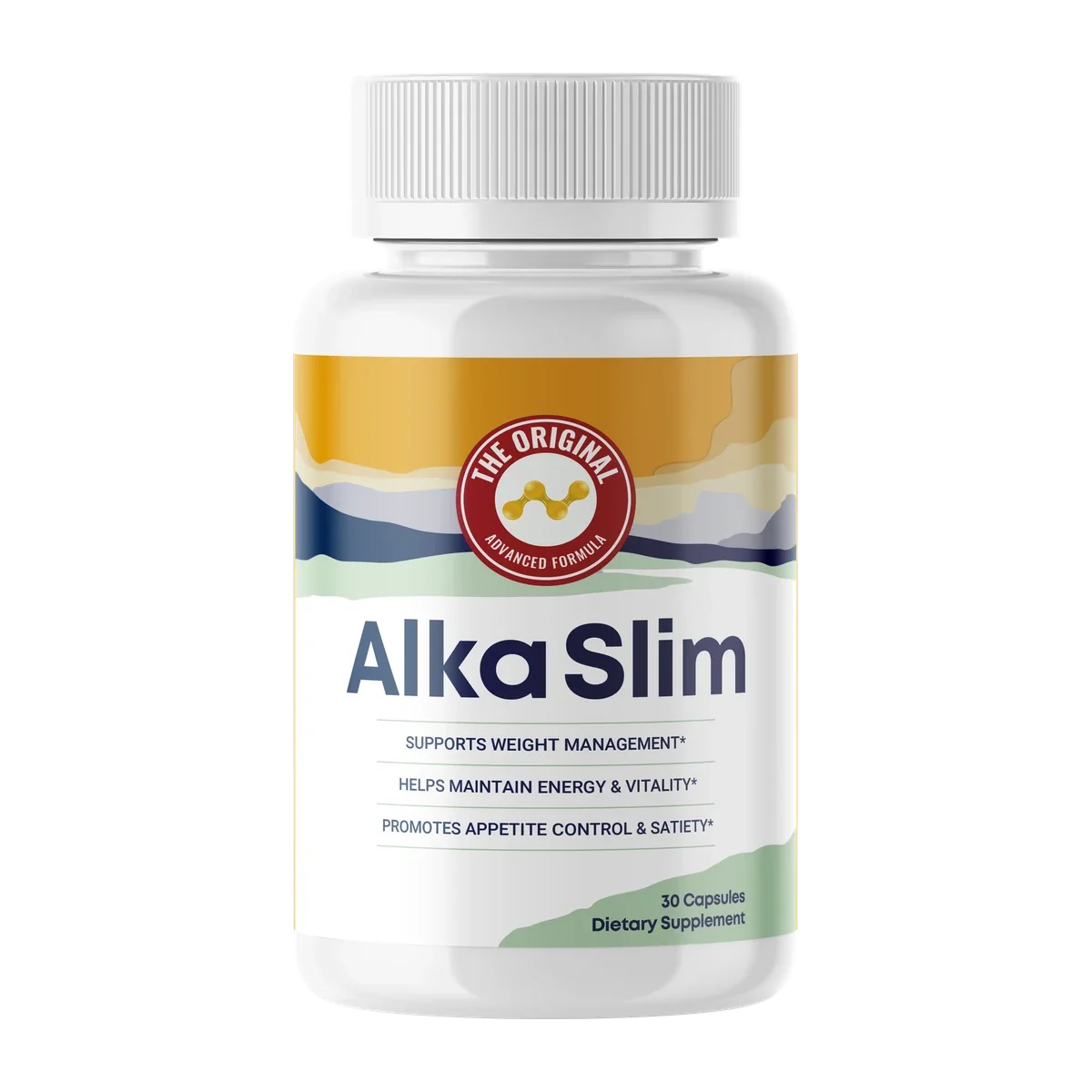
Read the AlkaSlim ingredient panel first
Four named actives, no published milligram amounts, and a 60-day window that starts the day you pay. Read the label before deciding which viscous fibre approach fits you.
Go to the Official AlkaSlim Store