Meal Replacement Shakes for Weight Loss: What Actually Works
Quick Answer: Does a Meal Replacement Shake Help You Lose Weight?
A meal replacement shake aids weight loss by swapping a 500 to 800 calorie meal for a controlled 200 to 400 calorie serving, which makes a daily calorie deficit easier to hold. It is a portion-control tool, not a fat-burner, and it works only alongside a genuine deficit. Because liquids satiate less than solid food, pair each shake with fibre.
- The mechanism: a fixed, smaller calorie load replaces a variable, larger one — the deficit does the work.
- The sweet spot: replace one or two meals a day, keep one balanced whole-food meal.
- The catch: drinking calories blunts fullness, so hunger returns between meals unless you add fibre.

Somewhere between the drive-through and the sad desk salad, most diets die of decision fatigue. You know what to eat; you simply run out of willpower to decide it four times a day. This is the real problem a meal replacement shake solves for weight loss, and it is worth being honest about it: the shake is not doing anything metabolically clever. It is removing a decision. When one meal is a fixed, measured 250 calories that you do not have to think about, the day's calorie maths gets a great deal simpler, and simpler is what survives a busy Tuesday.
That framing matters because the marketing around shakes tends to promise the opposite — that some blend of ingredients melts fat while you sip. It does not. But dismissing shakes entirely is just as wrong. Used deliberately, a good shake is one of the most reliable portion-control tools available, and the clinical evidence for structured meal replacement is genuinely stronger than for most things sold in the weight-loss aisle. The trick is understanding exactly what it does, where it quietly fails, and what you need to add so it keeps working past the second week.
What a meal replacement shake actually is
A meal replacement shake is a formulated drink designed to stand in for a full meal, which is a higher bar than a protein shake has to clear. A protein powder is mostly protein and is meant to top up a meal you have already eaten. A meal replacement is built to be the meal: it carries a deliberate calorie target, a meaningful dose of protein, a spread of vitamins and minerals, and ideally some fibre, so that it delivers roughly what a balanced plate would in a single, portable serving.
The numbers on a quality product cluster in a predictable range. Expect somewhere around 20 grams of protein, a total energy load of 200 to 400 calories depending on whether it is positioned for weight loss or weight maintenance, and 6 to 8 grams of fibre. The vitamin and mineral panel should cover a decent fraction of a day's needs, because if the shake is genuinely replacing food, it also has to replace the micronutrients that food would have supplied. A drink with 90 calories and no fibre is a snack wearing a meal's costume, and it will leave you rummaging in the cupboard within the hour.
The protein target is the part most worth protecting. Protein is the most satiating of the three macronutrients and it protects lean muscle while you lose fat, which is exactly what you want a weight-loss tool to preserve. A shake that hits 20 or more grams of protein per serving is doing the single most useful thing a shake can do; one that skimps on protein to keep the calorie count low is trading away the very quality that makes the format work.
Do the numbers actually add up?
Here is the arithmetic that makes meal replacement worth taking seriously. A typical restaurant or convenience lunch lands somewhere between 600 and 900 calories once you count the dressing, the bread and the drink. Replace that with a 250 calorie shake and you have removed roughly 400 to 650 calories from the day in a single swap, without weighing anything, counting anything or exercising any judgement in the moment. Do that once a day, five days a week, and the deficit compounds into real, measurable change over the weeks.
This is why the research reads the way it does. In controlled comparisons, plans that replaced one or two daily meals with shakes tended to produce more weight loss over the same period than conventional advice to simply eat less, and the gap was largely explained by adherence. People stick to a plan that makes the hard decisions for them. A fixed portion beats an open-ended intention almost every time, not because it is nutritionally superior but because it is behaviourally easier. That advantage — replacing willpower with structure — is the honest headline of the whole category.
None of this suspends the fundamental rule. A meal replacement shake helps only if it creates or deepens a calorie deficit. Add a shake on top of your existing meals and you will gain weight, because you have simply eaten more. The shake has to replace, not supplement. It sounds obvious written down, and it is the single most common way people accidentally sabotage the approach.
The liquid-calorie problem nobody markets
Now the catch, and it is a real one. Calories you drink do not register with your appetite the way calories you chew do. Chewing, the physical bulk of solid food, and the slower pace of eating all feed into the signals that tell your brain a meal has happened. A smoothie slips past a lot of that machinery. Study after study has found that liquid calories produce weaker and shorter-lived fullness than the same calories in solid form, which is why a 250 calorie shake can leave you hungrier at 3pm than a 250 calorie bowl of eggs and vegetables would.
This is the mechanism behind the classic shake-plan failure. The first few days feel great and disciplined. Then the between-meal hunger arrives, the snacking creeps back in, and the deficit you carefully engineered at lunch quietly refills itself with handfuls of whatever is nearby. The shake was never the problem; the gap after it was. Anyone who has read our explainer on how a natural appetite suppressant curbs hunger through the fullness effect will recognise the pattern immediately: solve the meal and ignore the gap, and the gap wins.
The fixes are not complicated. Slow the shake down by sipping it over 10 or 15 minutes rather than downing it. Choose a formula with real fibre, because fibre is the one ingredient that partially restores the fullness a liquid loses. And build in a deliberate strategy for the gap between meals, rather than hoping willpower covers it. That last point is where a viscous-fibre supplement earns its place, which brings us to the layer most shake plans are missing.
Cover the gap the shake leaves behind
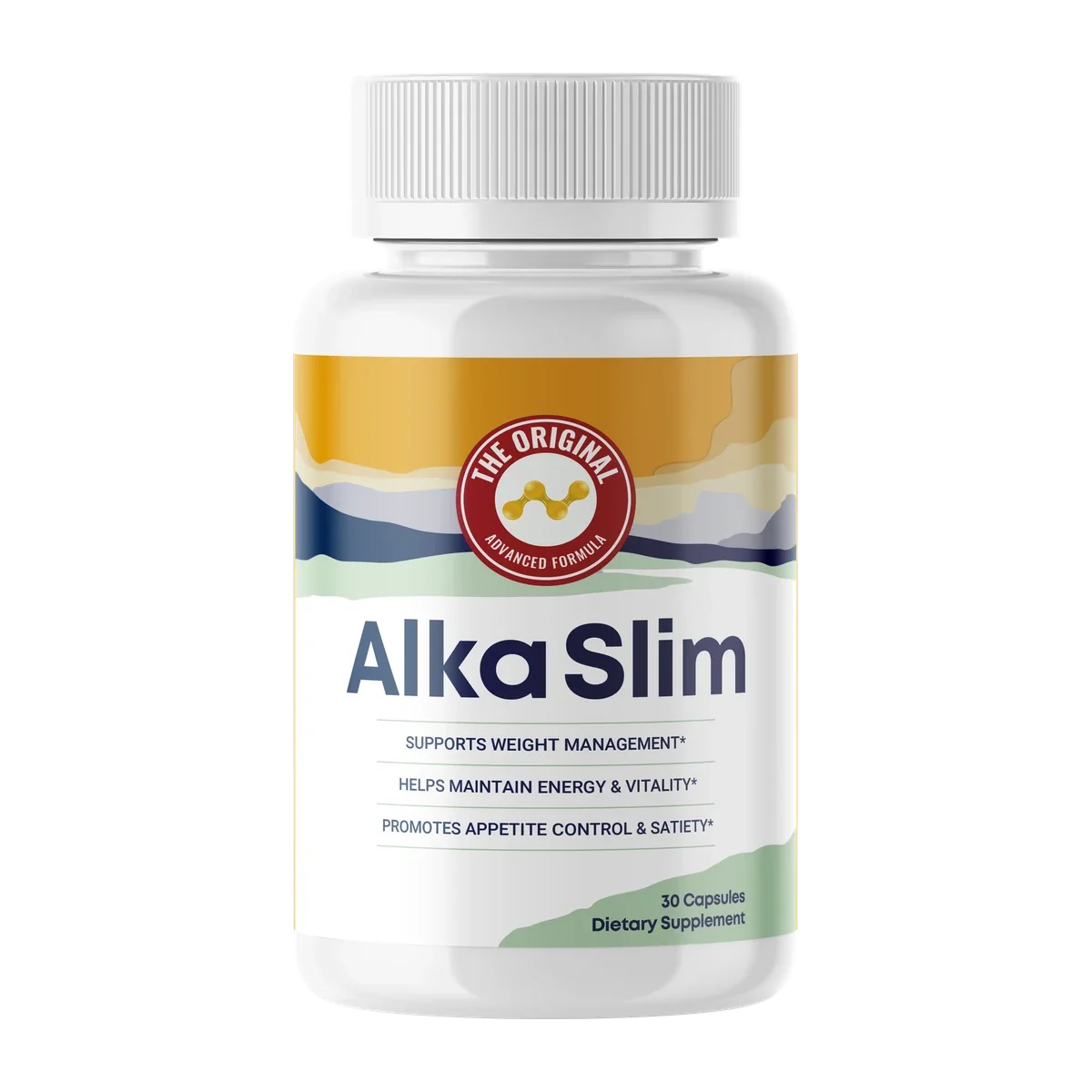
A shake controls the meal; the hours between meals are where plans unravel. AlkaSlim is built around konjac glucomannan, a viscous soluble fibre studied for pre-meal fullness. If you want the appetite-support layer that sits alongside a shake routine, start at the label.
See the Official AlkaSlim StoreWhere AlkaSlim fits: the appetite layer between meals
It is worth being precise about what AlkaSlim is and is not, because the two tools solve different problems and confusing them helps nobody. A meal replacement shake is a calorie-controlled meal. AlkaSlim is not a meal and not a shake; it is a fibre-led supplement whose best-supported ingredient is konjac glucomannan, one of the most viscous soluble fibres studied for appetite. Taken with a large glass of water before a meal, that fibre absorbs water and expands, adding physical bulk to the stomach and slowing how quickly the meal leaves it.
Read against the liquid-calorie problem, the pairing makes sense. On the days you use a shake for lunch, the shake handles the calories of that meal, and taking AlkaSlim before your whole-food dinner blunts appetite at the meal most likely to run large. On the harder afternoons, a pre-meal fibre dose is a structured way to arrive at the table already partly full, rather than ravenous and reaching for the biggest portion. The formula also lists baobab fibre, L-arabinose and spermidine, though konjac carries the strongest human evidence of the group; you can read the full breakdown in our honest guide to what the AlkaSlim label actually shows.
We will be straight about the limits, because that is the whole point of an independent guide. AlkaSlim does not disclose the milligram amount of each active, which makes it impossible to confirm the konjac dose reaches the roughly three grams a day used in the research. It is not a fat-burner and it does not replace the calorie deficit a shake helps create. What it offers is a plausible mechanism for the exact weak point in a shake plan — the hunger between meals — and a 60-day guarantee window in which to test whether that mechanism does anything for you personally.
Three myths about shakes, answered plainly
Myth one: shakes are a detox or a metabolism trick. They are neither. A meal replacement shake contains no ingredient that speeds your metabolism or flushes anything out of you, and it does not need to. Its entire benefit is the calorie swap and the removal of a decision. Any product marketed as a fat-melting shake rather than a calorie-controlled meal is selling you a story, and the story is where the disappointment lives.
Myth two: more shakes mean faster results. Replacing every meal with shakes does drive a steep deficit in the short term, but it is hard to sustain, socially isolating, and it teaches you nothing about eating that survives the day you stop. Very low calorie total-replacement plans exist and can be appropriate, but they belong under medical supervision, not as a self-directed experiment. For most people, one to two shakes a day with a real, balanced meal is the pattern that actually holds.
Myth three: any protein shake will do. A protein shake and a meal replacement are not the same product. A scoop of whey in water is a fine post-workout top-up, but with no fibre, no rounded micronutrient profile and often not enough total calories, it is a poor stand-in for a meal and will leave you hungry. If you are using a shake to replace food, buy one built to replace food. The gap between the two categories is covered in more depth in our companion guide to choosing a protein powder for weight loss.
How to build a shake day that actually holds
Start with one meal, not three. Pick the meal that most reliably goes wrong — for most people that is lunch, eaten in a hurry near whatever is convenient — and make that the shake. Keep breakfast and dinner as normal, balanced, whole-food plates, because those are where you learn and practise the portioning that keeps weight off later. A single well-placed shake removes the day's worst calorie decision without turning eating into a chore.
Protect the protein and add fibre. Choose a shake that clears 20 grams of protein and carries at least a few grams of fibre, and if it runs light on fibre, add a tablespoon of ground flax or chia, or a handful of berries if you are blending. The fibre is what claws back some of the fullness that a liquid loses, and it is the difference between a shake that carries you to the next meal and one that leaves you foraging.
Then plan the gap deliberately. Drink water — thirst masquerades as hunger far more often than people admit — and if you are going to lean on a pre-meal fibre supplement, be consistent about it and take it with plenty of fluid. Whatever tool you choose for the between-meal hours, decide on it in advance rather than improvising when the hunger hits, because improvised hunger decisions are the ones that end at the vending machine.
Who should be careful, and what shakes cannot do
Meal replacement shakes are not for everyone. Anyone who is pregnant or nursing, anyone managing diabetes or kidney disease, and anyone with a history of disordered eating should talk to a clinician before building meals around a formulated product, because the calorie restriction and the rigid structure carry real risks in those situations. Shakes are also frequently made in facilities that handle milk, soy and nuts, so allergen labels matter. And if you take medication, remember that a high-fibre routine can slow the absorption of some drugs; space fibre and medicines a couple of hours apart and confirm the timing with a pharmacist.
As for what shakes cannot do: they cannot treat, cure or prevent any disease, and no food or supplement may be sold as though it can. They cannot create a deficit if you drink them on top of your usual meals. They cannot teach you how to build a balanced plate, which is why weight tends to return when people rely on shakes forever rather than using them as training wheels. And a shake cannot fix the hours in between, which is the honest reason this guide keeps returning to fibre and to the appetite layer that a viscous-fibre supplement is designed to provide.
Used with clear eyes, though, the format earns its reputation. A meal replacement shake for weight loss is a portion-control tool with unusually good adherence data behind it. Add real fibre, keep one whole-food meal honest, plan the gap between meals, and you have a routine that does not depend on heroic willpower — which is exactly the kind of routine that is still running a month from now.

Frequently asked questions
Do meal replacement shakes work for weight loss?
Yes, but only through calories. A quality meal replacement shake trades a 500 to 800 calorie meal for a controlled 200 to 400 calorie serving, which makes a daily calorie deficit easier to hold without decision fatigue. Trials that replaced one or two meals a day with shakes generally produced more weight loss over the same period than plain calorie advice, largely because the portion size is fixed for you. The shake does nothing magical to fat; it simply removes guesswork from one or two eating decisions a day.
How many shakes a day to lose weight?
Most structured programmes replace one or two meals a day with a shake and keep at least one normal, balanced whole-food meal. One shake a day is the gentler, more sustainable pattern for most people; two a day accelerates the deficit but is harder to keep up and leaves less room for the fibre, chewing and variety that make eating satisfying. Replacing every meal with shakes is a short-term intervention, not a way to eat, and is best done only under professional supervision.
Are meal replacement shakes healthy long term?
A well-formulated shake with adequate protein, fibre and a full vitamin and mineral profile is nutritionally fine as an occasional meal for years. The long-term risk is behavioural rather than nutritional: relying only on shakes teaches you nothing about building balanced plates, so weight often returns when the shakes stop. The healthiest long-term pattern uses a shake to control one busy meal while you practise portioning real food for the rest of the day.
Should I use AlkaSlim with meal replacement shakes?
They address different moments. A meal replacement shake controls the calories inside a meal; AlkaSlim is a viscous-fibre formula built around konjac glucomannan that targets appetite before a whole-food meal and hunger in the gaps between them. Because liquids satiate less than chewed food, the gaps are exactly where shake plans tend to fail. Taking AlkaSlim before your normal meals, with plenty of water, is a reasonable pairing, but confirm any combination with your doctor if you take medication.
Related reading
Scientific references
- The effect of total and partial meal replacements on obesity: a systematic review and meta-analysis of randomized controlled trials (Crit Rev Food Sci Nutr, 2025)
- No difference in satiety or in subsequent energy intakes between a beverage and a solid food (Physiol Behav, 2004)
- NIH Office of Dietary Supplements — dietary supplement fact sheets
- Mayo Clinic — Meal replacement and weight management
- Harvard T.H. Chan School of Public Health, The Nutrition Source — Protein
Add the appetite layer your shake plan is missing
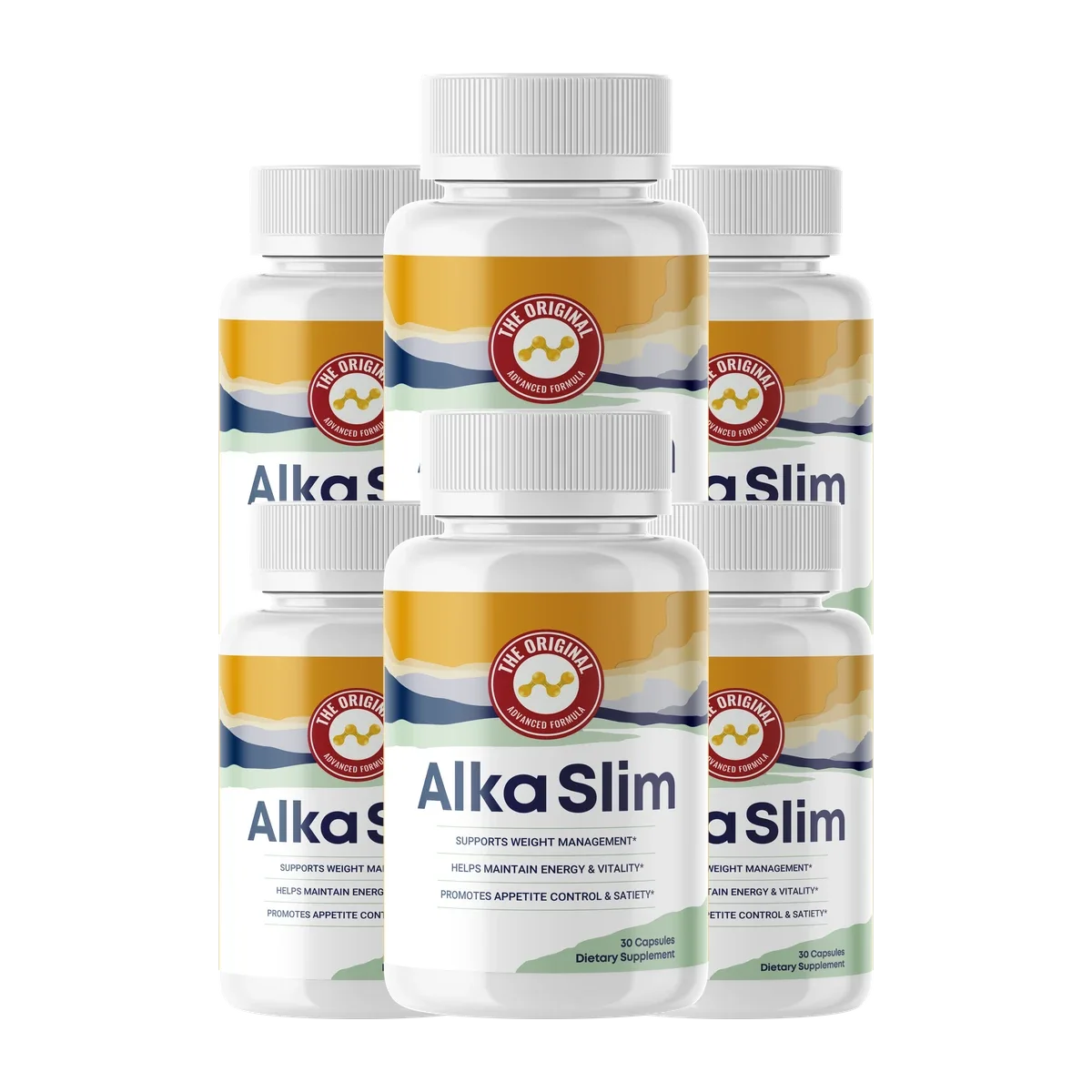
A shake fixes one meal; AlkaSlim's konjac-glucomannan fibre targets the hunger between them. Four named actives, undisclosed doses, and a 60-day window that starts the day you pay. Read the label before you decide.
Go to the Official AlkaSlim Store