Natural Appetite Suppressant to Curb Hunger: What Actually Works, and How to Dose It
Quick Answer: What Is the Best Natural Appetite Suppressant to Curb Hunger?
The most reliable natural appetite suppressant is viscous soluble fibre taken with water before meals, because it gels in the stomach, slows emptying and dampens hunger. Protein at each meal adds staying power, gymnema can soften sweet cravings, and chromium is sometimes used for carb cravings. Fibre has the strongest evidence of the group.
- Mechanism: fibre forms a gel that physically slows digestion and signals fullness.
- Dose that was studied: about 1 to 1.5g glucomannan with water, 15–30 minutes before meals.
- Reality check: these curb appetite to support a calorie deficit, not to replace one.
Hunger is not a character flaw, and willpower is a terrible long-term strategy against it. The good news is that a natural appetite suppressant does not have to mean a jittery stimulant or a mystery capsule. The best-evidenced options work with your physiology: they change how full a meal makes you feel and how loudly cravings shout. This guide walks through the tools that genuinely help you curb hunger — viscous fibre first, then protein, then the craving-specific players like gymnema and chromium — and gives you the actual pre-meal doses the research used, so you can apply this today instead of just reading about it.
Why hunger is a signal you can shape
Appetite is not a single dial. It is a conversation between your stomach's stretch receptors, gut hormones that rise and fall around meals, blood sugar swings, sleep, stress and plain habit. A good natural appetite suppressant does not switch that conversation off — nothing safe does — it nudges several parts of it at once toward “satisfied” and away from “famished at 4pm.” Understanding which lever a given tool pulls is the whole game, because it tells you when to use it and what to expect.
Broadly there are two problems people are trying to solve. The first is volume hunger — wanting to eat more at a meal than a deficit allows. The second is craving — the specific pull toward sweet or starchy food, often between meals and often emotional. Different natural tools address different problems, and stacking the wrong one is why so many people conclude “nothing works.”
The strongest lever: viscous soluble fibre
If you only adopt one thing from this article, make it viscous soluble fibre before meals. This is the mechanism with the most physical, least hand-wavy explanation. Fibres such as glucomannan (from konjac root), psyllium and oat beta-glucan absorb water and turn into a thick gel. That gel takes up space in the stomach, slows how quickly it empties into the intestine, and stretches out the release of nutrients downstream. The felt result is a meal that satisfies sooner and holds longer, plus a gentler blood-sugar curve afterward.
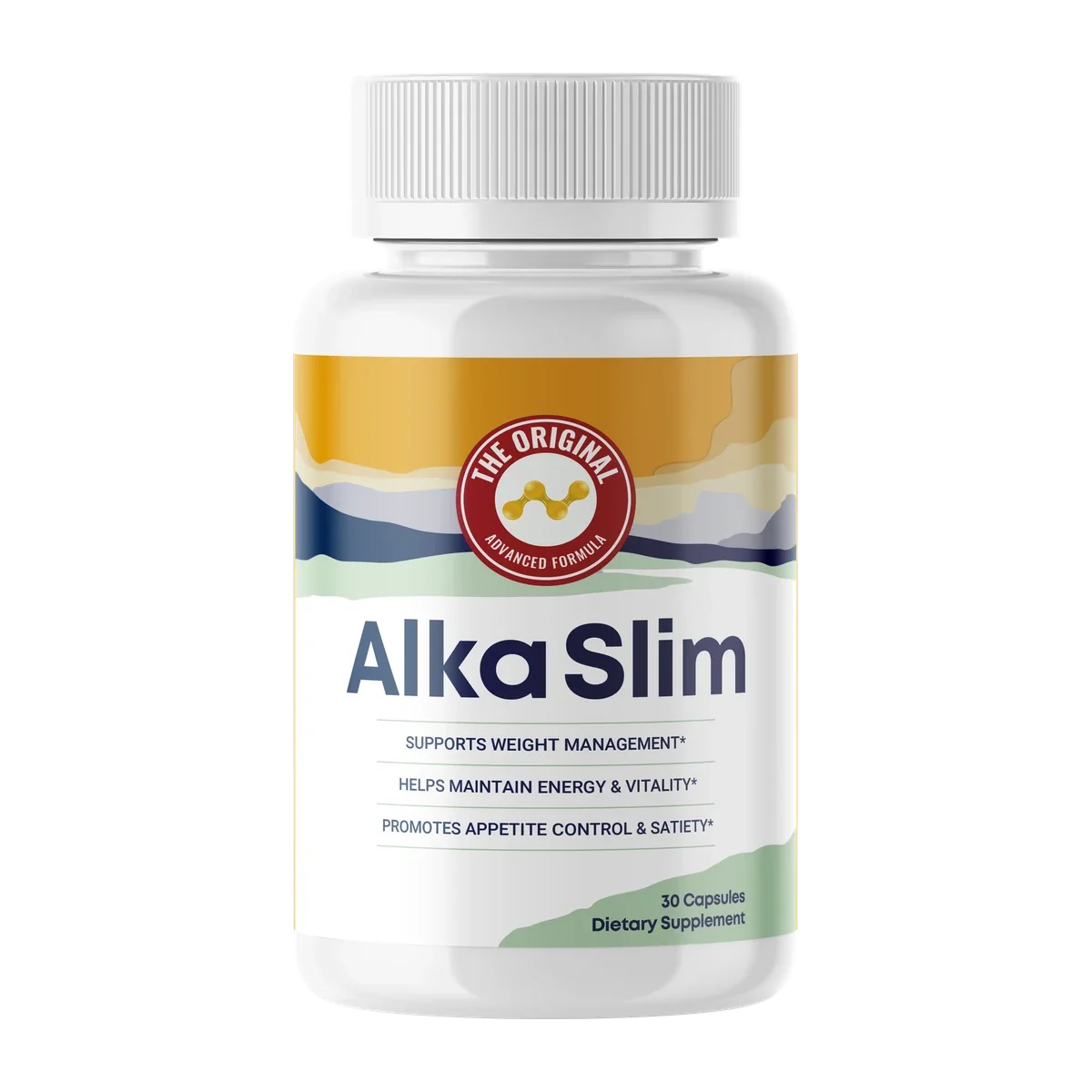
Glucomannan is the fibre with the most direct weight-management evidence. European regulators accepted a satiety-and-weight claim for it in the context of an energy-restricted diet, at 3 grams a day split into 1 gram three times daily, each dose taken with one to two glasses of water before a meal. The effect is honest and modest — a few pounds over placebo across a couple of months in trials — but the mechanism is real and you can feel it working within days. This is the mechanism AlkaSlim's viscous-fibre formula is built around.
How to actually take fibre so it works
Three practical points decide whether fibre curbs your hunger or just sits there. First, timing: take it 15 to 30 minutes before the meal, so the gel has formed by the time you sit down. Second, water: the gel only exists if the fibre can absorb liquid, so a full glass or two is not optional — it is the active step. Third, ramp up: start at one dose a day and build to three over a week or two, because going from a low-fibre diet to 3 grams of gelling fibre overnight is a reliable way to earn gas and bloating you will blame on the product.
One safety note that matters: never take a concentrated glucomannan dose dry or with too little water, and take it well apart from other medications, because a fibre that swells is a fibre you want swelling in your stomach, not your throat. Separate it from any prescription by a couple of hours so it does not blunt absorption.
The quiet workhorse: protein at every meal
Protein rarely gets sold as an appetite suppressant because nobody can put it in a proprietary capsule and mark it up, but calorie for calorie it is one of the most satiating things you can eat. It raises fullness hormones, blunts the hunger hormone response, and costs more energy to digest than fat or carbohydrate. Anchoring each meal with a palm-sized portion of protein — eggs, fish, poultry, dairy, legumes, tofu — is the least glamorous and most dependable hunger tool on this list. A fibre supplement plus a protein-forward plate covers volume hunger from two directions at once.
Put the fibre lever to work
If a before-meals viscous-fibre routine is the appetite tool you want to try, AlkaSlim packages that mechanism with a 60-day money-back guarantee, so you can test your own hunger response without gambling on it. The official store lists the formula and current pricing.
See the Official AlkaSlim StoreCraving-specific tools: gymnema and chromium
Volume hunger and cravings are different problems, and the second one needs different tools. Two natural ingredients get sold specifically for cravings, and they are worth understanding on their own terms rather than lumping them in with fibre.
Gymnema sylvestre is the more interesting of the pair because you can verify it yourself. Compounds in the leaf temporarily bind to the sweet-taste receptors on your tongue, so for a while after taking it, sugar tastes muted — a spoonful of sugar can taste like sand. That does not change your metabolism, but it can genuinely reduce the moment-to-moment pull of a dessert or a sweet coffee by removing the reward. If sweet cravings are your weak point, it is a targeted tool; our deeper look at how gymnema sylvestre blunts the taste of sweetness covers what to expect and its limits.
Chromium picolinate is the carbohydrate-craving candidate, and here honesty requires more caution. The proposed link runs through insulin and serotonin signalling, and a handful of small trials — several in people with atypical depression or binge patterns — reported reduced appetite. But results in general populations are small and inconsistent, and chromium mostly helps if your diet is genuinely short of it, which is uncommon. It is a plausible, unproven, low-risk add-on rather than a reliable switch; we lay out exactly where the evidence is thin in our piece on chromium picolinate and carbohydrate cravings.
What about stimulant “appetite suppressants”?
Caffeine and other stimulants can dull appetite short-term, and that is exactly why they are so common in fat-burner blends. But there is a cost: tolerance builds, sleep suffers, and poor sleep is itself one of the most reliable ways to increase hunger and cravings the next day. A stimulant that suppresses appetite today by wrecking the sleep that regulates it tomorrow is a loan, not a gift. The natural tools in this guide work by changing the physical and sensory experience of eating rather than by overriding your nervous system, which is why they are sustainable in a way a pre-workout scoop is not.
A good appetite tool makes the right amount of food feel like enough. It does not try to make you forget you have a body — it changes what your body reports back.
Objection: “Can't I just tough it out with willpower?”
You can, for a while, and then biology wins. Persistent hunger is not weakness; it is a homeostatic signal that gets louder the longer you ignore it, which is why crash diets rebound. The point of a natural appetite suppressant is not to test your resolve but to lower the volume of the signal so the deficit you have chosen becomes livable. Making the diet easier to sustain is not cheating — it is the difference between a plan that lasts three weeks and one that lasts three months.
Objection: “If it's natural, is it even doing anything?”
“Natural” is a marketing word, not a measure of strength, and it cuts both ways. Some natural ingredients are inert at the doses sold; viscous fibre is not one of them, because its effect is mechanical rather than pharmacological — it physically occupies and slows the stomach. You can feel the gel working, which is more than can be said for many pills. The honest framing is that fibre's effect is real but modest, and it compounds with protein, sleep and a sensible plate rather than replacing them.
The realistic expectation to set before you start
Here is the sentence the loud pages skip: appetite suppressants curb hunger to help you hold a calorie deficit, but they do not create the deficit for you. Eat with a fibre gel in your stomach and a protein anchor on the plate and you will likely eat less without feeling deprived — that is the win, and over weeks it adds up. Expect a few pounds of assistance, not a transformation the capsule performs while you carry on as before. Set that expectation and you will keep using the tools long enough to benefit; set the marketing's expectation and you will quit in a fortnight when the miracle does not arrive.
Related reading
Frequently asked questions
What is the best natural appetite suppressant to curb hunger?
For most people the most reliable natural appetite suppressant is viscous soluble fibre taken with water before meals, because it physically gels in the stomach, slows emptying and blunts the hunger response. Protein at each meal adds staying power, while gymnema can soften sweet cravings and chromium is sometimes used for carb cravings. Fibre has the strongest and most consistent evidence of the group.
Do gymnema and chromium reduce cravings?
They target different cravings and the evidence differs. Gymnema sylvestre temporarily blunts the perception of sweet taste on the tongue, which can reduce the pull of sugary foods in the moment. Chromium picolinate is studied for carbohydrate cravings but the results are small and mixed, and it mainly helps if your diet is genuinely short of chromium, which is uncommon. Neither replaces a calorie deficit.
How much fiber do I need to feel full before meals?
Trials on glucomannan used about 1 to 1.5 grams taken with one to two glasses of water roughly 15 to 30 minutes before each main meal, reaching around 3 grams total per day. The water matters as much as the fibre, because the gel only forms if the fibre can absorb liquid. Increase gradually to reduce gas and bloating while your gut adjusts.
Can natural appetite suppressants replace dieting?
No. Natural appetite suppressants make a calorie deficit easier to maintain by reducing hunger and cravings, but they do not create the deficit for you. Weight loss still comes from eating fewer calories than you burn over time. Think of fibre, protein and craving tools as support that makes the diet stick, not a substitute for the diet itself.
Scientific references
- EFSA — Scientific opinion on glucomannan and weight reduction health claim
- NIH Office of Dietary Supplements — Dietary Supplements for Weight Loss
- NCCIH — Dietary and Herbal Supplements for Weight Loss
- Harvard T.H. Chan School of Public Health — Fiber
- Mayo Clinic — Weight loss: 6 strategies for success

Try the fibre-first routine risk-free
Appetite is personal, and the only trial that matters is the one your own hunger runs over a few weeks. AlkaSlim's 60-day money-back guarantee is what makes that test cost you nothing but the effort.
Go to the Official AlkaSlim Store