Blood Sugar Weight Loss Supplement: Gymnema Sylvestre, the Herb That Mutes Sweet Taste
Quick Answer: What Does Gymnema Sylvestre Do to Sweet Taste?
Gymnema sylvestre is a climbing vine from India whose leaves contain gymnemic acids, a group of saponins that bind to the sweet taste receptors on your tongue and temporarily switch them off. Put gymnema powder on your tongue and then eat sugar, and the sugar feels like fine sand: the texture is there and the sweetness is simply gone, while bitter, sour and salty tastes carry on as normal. The effect is real, immediate and easy to verify on yourself, and it typically fades within fifteen minutes to an hour. What is far less certain is whether that trick translates into eating less over weeks, because the metabolic evidence behind the herb is much thinner than the sensory demonstration is dramatic.
- The mechanism: gymnemic acids block sweet receptors on the tongue by direct contact, not through the bloodstream.
- The catch: a capsule swallowed whole never touches the tongue, so it cannot produce the taste effect at all.
- The evidence: the taste block is well demonstrated; the weight and glucose findings come from small, mostly older, low-quality trials.
The plant, and the name that gives the game away
Gymnema sylvestre is a woody climbing vine in the milkweed family, native to the tropical forests of India and parts of Africa and Australia. Its Hindi name is gurmar, which translates roughly as “sugar destroyer”, and that name predates any laboratory work on the plant by a very long time. Whoever coined it had chewed a leaf and then tasted something sweet, which is all the demonstration anyone needs.
The leaves are the part used. They contain a family of triterpenoid saponins collectively called gymnemic acids, and modern extracts are standardised to a stated percentage of them — commonly a quarter of the extract by weight, though this varies widely between suppliers and is the single most useful number on a gymnema label.
There is a second compound worth knowing about because it appears in older summaries and is misleading. Gurmarin is a peptide from the same leaf that blocks sweet taste convincingly in rodents. In humans it appears to be inactive on the sweet receptor, which means rodent findings attributed to gurmarin do not transfer. When you read that gymnema “blocks sweet taste” in a research context, the human-relevant actors are the gymnemic acids.
How the taste block actually works
Sweet perception in humans runs through a receptor built from two protein subunits, sitting on taste cells on the tongue. Sugar molecules dock into it and the cell fires. Gymnemic acids are shaped enough like that docking site's preferred guests to occupy it without triggering it, and being large, fat-soluble saponins, they stay put for a while rather than washing off with the next sip.
Three things follow, and each of them is a practical detail rather than a technicality. First, the block is specific: bitter, salty, sour and umami are untouched, so this is not general numbing. Second, it requires physical contact, so the delivery format decides whether anything happens at all. Third, it wears off as saliva gradually clears the saponins, which is why reported durations cluster in the fifteen-to-sixty-minute range rather than lasting all day.
Gymnema is the rare ingredient in this category where you can run the experiment yourself in under a minute. Coat your tongue, then eat something sweet. If nothing changes, the product you bought either has too little gymnemic acid in it or never touched your tongue in the first place.
Fibre rather than a taste trick
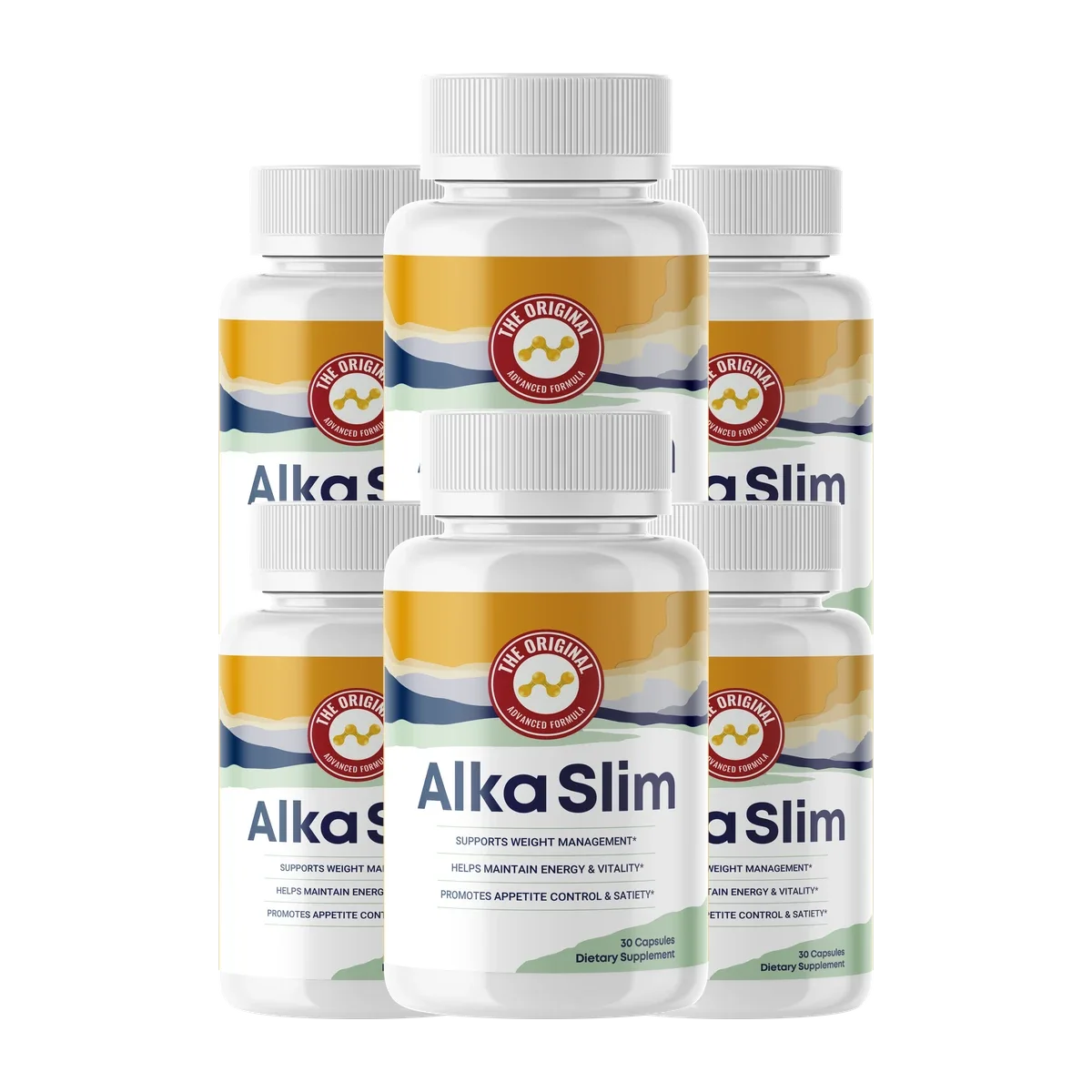
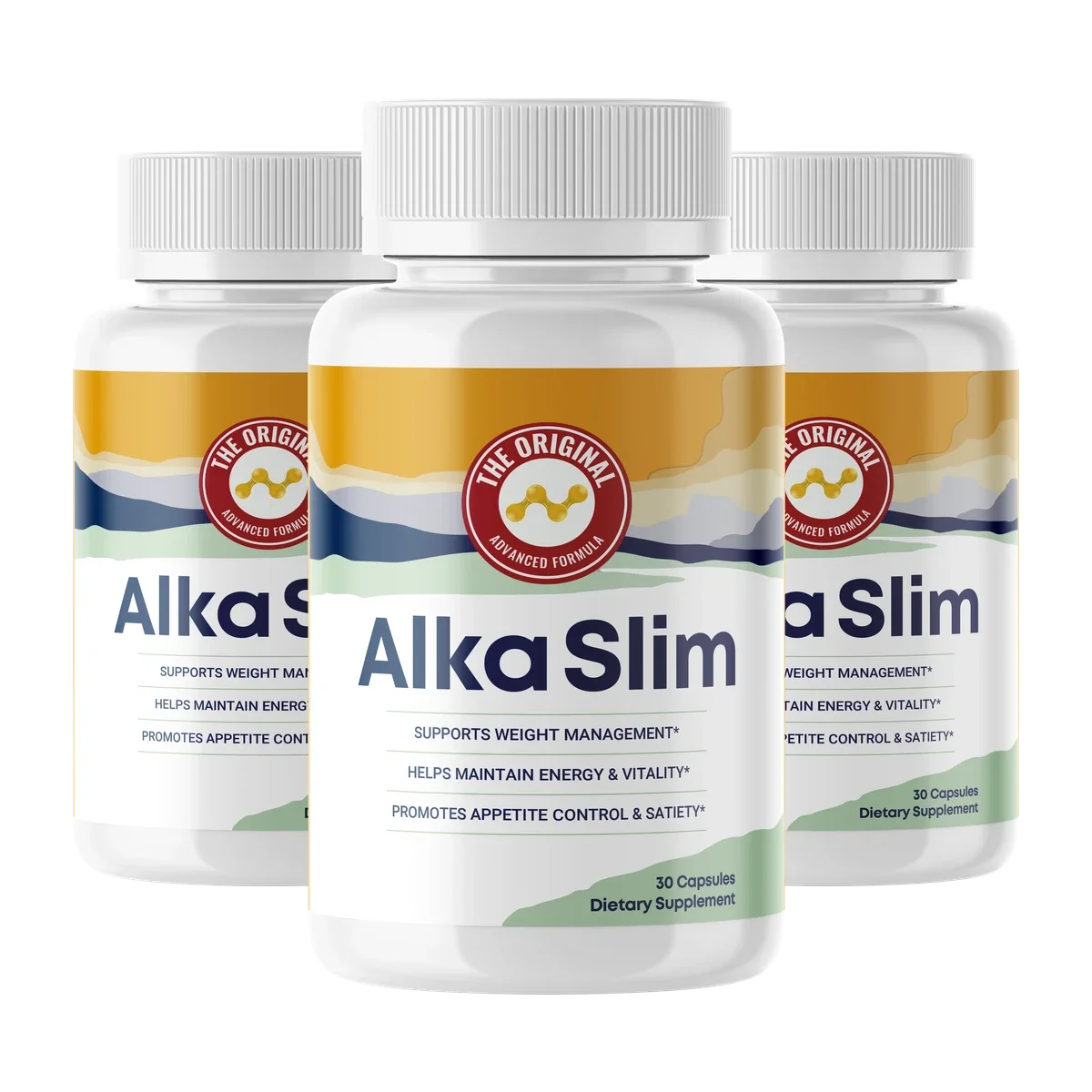
AlkaSlim takes the mechanical route: viscous soluble fibre that gels in the stomach, plus a plant sugar that blunts sucrose digestion. Worth reading before you decide where to buy weight loss supplements safely and which mechanism you actually want.
See the Official AlkaSlim StoreWhy the format matters more than the brand
This is the point most pages about gymnema skip, and it decides whether you get anything for your money. Gymnemic acids act on receptors on the surface of your tongue. A capsule swallowed whole with a glass of water delivers them to your stomach, which has no sweet receptors that a saponin can usefully switch off. The taste effect in that case is precisely zero.
That does not make capsules pointless — the metabolic trials mostly used swallowed extracts, and any effect on glucose handling or intestinal sugar absorption would not depend on taste. But it does mean the two uses of gymnema are different products. If what appeals to you is the idea that dessert stops being interesting, you need a lozenge, a mint, a tea or loose powder. If what appeals to you is the metabolic claim, a standardised extract capsule is the form that was studied, and you should expect to notice nothing at all in your mouth. Put plainly: when you are comparing one blood sugar weight loss supplement against another on the strength of its gymnema content, the format on the box decides whether that content can do anything at all.
| Format | Touches the tongue? | Mutes sweet taste? | Typical amount | Evidence behind it |
|---|---|---|---|---|
| Loose leaf powder or chewed leaf | Yes | Yes, strongly, for roughly 15–60 minutes | Traditional gram quantities | Sensory effect very well demonstrated |
| Lozenge or mint with gymnemic acids | Yes | Yes, dose-dependent | Tens of milligrams of gymnemic acids | Sensory only; no metabolic claim supported |
| Gymnema tea | Yes | Yes, mildly, and briefly | One leaf infusion | Traditional use; little formal study |
| Standardised extract capsule | No | No | 200–400 mg, two or three times daily | The form used in metabolic trials; those trials are small and mostly old |
| Undisclosed blend in a combination product | No | No | Not stated | Attribution impossible |
What the blood sugar weight loss supplement research really shows
Gymnema turns up in almost every blood sugar weight loss supplement blend on the market, and the citations behind that placement deserve a closer look than they usually get. Most of the human work is small, much of it dates from the 1990s, a considerable share was conducted without proper control groups, and several of the most-quoted studies were open-label. Researchers who have gone systematically through that literature consistently describe it the same way: possibly promising, methodologically weak, and not sufficient to draw firm conclusions.
The mechanisms proposed beyond taste are interesting and mostly preclinical. Gymnemic acids may reduce glucose uptake in the intestine by a similar receptor-blocking trick to the one they perform on the tongue; animal work has suggested effects on pancreatic tissue. Neither has been established in humans at supplement doses to a standard that would justify a confident claim, and honest coverage should say that rather than dress a mouse study in human clothing.
None of that makes gymnema a bad ingredient. It makes it an ingredient with one very well-demonstrated effect that happens in your mouth and a set of much less certain effects that are supposed to happen further down. Buy it for the first and you know what you are getting. Buy it for the second and you are buying a hypothesis.
Practical use: timing, amounts and the tongue test
If you are using the taste effect deliberately, timing is everything. The window is short, so the sensible moment is immediately before the situation you are trying to change — the point at the end of a meal where dessert appears, or the mid-afternoon stretch where the biscuit tin does. Taking it in the morning to protect an evening is pointless; the saponins will be long gone.
Coverage matters as much as amount. The saponins have to reach the taste cells, so a lozenge dissolved slowly across the whole tongue does more than one crunched and swallowed. Rinsing with water immediately afterwards shortens the effect.
For the swallowed extract, the studied pattern is 200 to 400 milligrams of a standardised extract two or three times daily, taken with meals, over weeks rather than days. Look for the standardisation percentage on the panel. An extract that does not state its gymnemic acid content is asking you to trust an unlabelled quantity of the only thing you are buying it for — a problem shared by many products marketed as the best herbal supplement for blood sugar.
Safety, side effects and who should be careful
Gymnema is generally well tolerated at the amounts sold, and the usual complaints are digestive: nausea, stomach discomfort, occasionally loose stools. Some people find the taste of the raw leaf genuinely unpleasant, which is its own kind of appetite intervention.
The serious considerations are interaction-shaped rather than toxicity-shaped. Because gymnema is studied for its potential to lower glucose, combining it with insulin or oral glucose-lowering medication carries a real risk of pushing levels lower than intended. That is a conversation with a prescriber, not a decision to make from a product page. Isolated case reports of liver injury associated with gymnema-containing products have been published, which is not a reason for alarm but is a reason to stop and seek advice if unusual fatigue, dark urine or yellowing of the skin appears.
There is not enough data to support use in pregnancy or breastfeeding, and anyone scheduled for surgery is usually advised to stop glucose-active supplements beforehand. None of these caveats is exotic. They simply mean gymnema belongs in the category of things you mention to a clinician rather than the category of things you add to a basket without thinking.
What gymnema cannot do
It cannot treat, cure, prevent or reverse diabetes or any other disease, and no dietary supplement may lawfully be sold as though it can. The historical use of the plant is interesting context, not clinical evidence.
It cannot make you eat less by itself. Muting sweetness removes the reward from sweet food; it does nothing to bread, crisps, cheese, or the entire savoury half of overeating. Several people who try it report simply switching to salty snacks, which is a real and predictable outcome rather than a failure of willpower.
It cannot work while it is inside a capsule shell in your stomach, as covered above, and it cannot work for longer than saliva allows. An effect measured in tens of minutes is not a strategy for a day.
And it cannot rescue a diet built on the assumption that a supplement will do the difficult part. Every trial in this space that reported anything at all did so in participants who were also given dietary advice, which is the quiet common denominator across the whole category.
Where this leaves the fibre approach
Gymnema is a receptor story: it changes what you perceive. Viscous soluble fibre is a physics story: it changes how a meal moves. Those are complementary rather than competing ideas, and they fail in different ways — the taste block fails when the craving is savoury, the fibre fails when it is taken without enough water to gel properly.
The fibre route is the one AlkaSlim's formula is built on, with konjac glucomannan and baobab fibre for viscosity and L-arabinose to blunt sucrose digestion, and no gymnema on the panel at all. If the idea of interfering with carbohydrate rather than with taste is what interests you, our piece on white kidney bean extract and the carb blocker claim takes apart the most heavily marketed version of that idea.
Frequently asked questions
What does the gymnema sweet taste effect feel like, and how long does it last?
Sugar stops tasting sweet and starts tasting like fine sand or plain grit. Bitter, sour and salty tastes are unaffected, so it is a targeted block rather than general numbness. Reports of the duration vary from about fifteen minutes to an hour, depending on the amount used and how thoroughly it coated the tongue.
Do gymnema sylvestre capsules block sweet taste?
No. Gymnemic acids work by binding to sweet taste receptors on the tongue, so they have to touch the tongue. A capsule swallowed whole with water bypasses the receptors entirely. If the taste effect is what you want, the product has to be a lozenge, a mint, a tea or a loose powder.
How much gymnema sylvestre have studies used?
Metabolic trials have most often used standardised leaf extracts at roughly 200 to 400 milligrams taken two or three times a day, over periods of weeks to months. Traditional preparations use whole leaf in gram quantities. The extracts are usually standardised to a stated percentage of gymnemic acids, which is the number to look for on a panel.
Is gymnema sylvestre safe to take with diabetes medication?
Not without medical supervision. Gymnema is studied precisely because it may lower glucose, so combining it with insulin or oral glucose-lowering drugs risks pushing levels too low. Isolated case reports of liver injury have also been published. Anyone on prescribed treatment should raise it with a doctor or pharmacist first.
Scientific references
- Consuming Gymnema sylvestre Reduces the Desire for High-Sugar Sweet Foods (Nutrients, 2020)
- Effect of Gymnema sylvestre Administration on Metabolic Syndrome, Insulin Sensitivity, and Insulin Secretion (J Med Food, 2017)
- NIH National Center for Complementary and Integrative Health — Dietary and Herbal Supplements
- Mayo Clinic — Added sugars: Don't get sabotaged by sweeteners
- Harvard T.H. Chan School of Public Health, The Nutrition Source — Added Sugar in the Diet
Read the AlkaSlim ingredient panel first
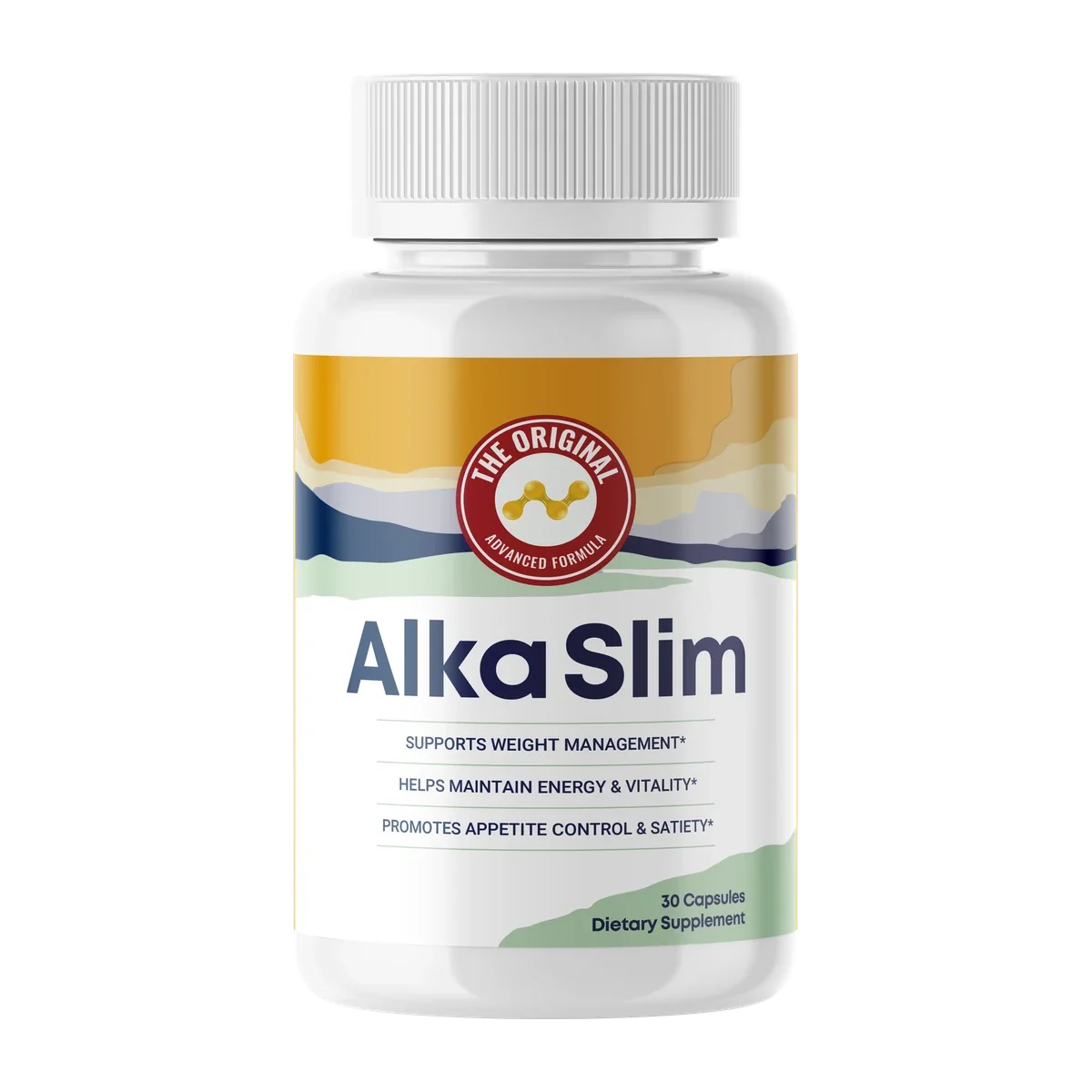
Four named actives, no published milligram amounts, and a 60-day window that starts the day you pay. Read the label before deciding which is the best blood sugar supplement approach for you.
Go to the Official AlkaSlim Store