Protein Powder for Weight Loss: A Practical Guide
Quick Answer: How Does Protein Powder Help Weight Loss?
Protein powder for weight loss works in three ways: a 25–30g serving boosts satiety so you eat less later, protein has a higher thermic effect than carbs or fat, and adequate protein preserves lean muscle in a calorie deficit. Pair it with fibre for fullness, and remember whole foods still matter day to day.
- Satiety: 25–30g of protein per serving blunts hunger for hours.
- Lean mass: enough protein protects muscle while you cut calories.
- Best paired: combine protein with fibre, such as a fibre-led supplement, for lasting fullness.
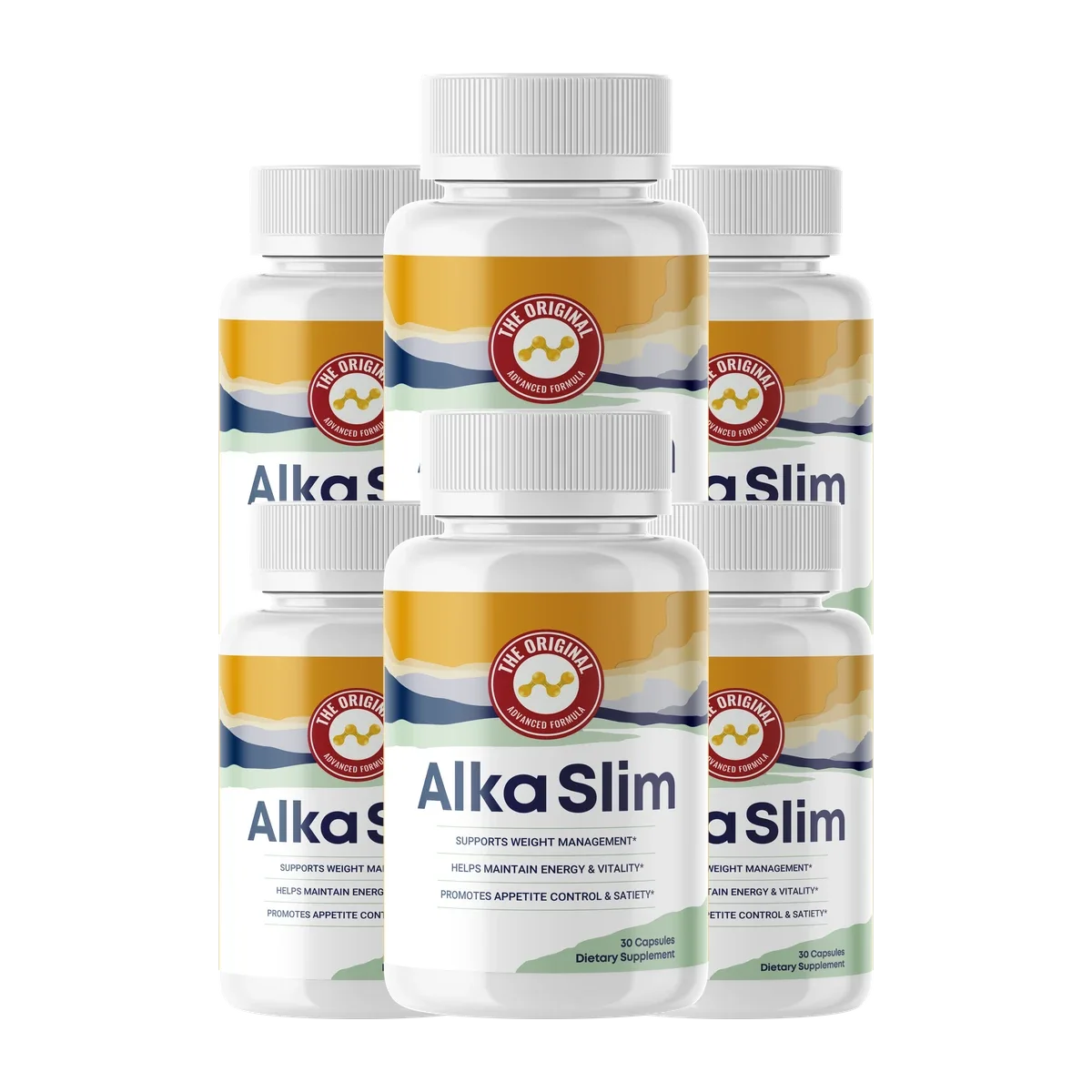
Protein powder is the one supplement almost every credible weight-loss plan agrees on, and for good reason. Used well, protein powder for weight loss is not a fat-burner or a shortcut — it is the most practical way to hold appetite steady, protect the muscle you already have, and keep a calorie deficit from turning into a daily fight with hunger. Used badly, it is just expensive extra calories poured on top of meals you had already eaten. This practical guide covers the part that actually matters: how much to take, when, why a 25 to 30 gram serving does the heavy lifting, and how to pair it with fibre so fullness lasts — the same job a supplement like AlkaSlim is built to do.
Does protein powder for weight loss actually help?
Yes, but it is worth being precise about the mechanism, because “protein helps you lose weight” gets mistaken for “protein burns fat.” It does not. Protein powder helps by making a calorie deficit easier and healthier to sustain, which is the only thing that reliably produces fat loss. It does that job better than carbohydrate or fat because it is more filling per calorie, it costs the body slightly more energy to digest, and it protects lean tissue when you are eating less than you burn. None of those effects are dramatic on their own; stacked together and repeated daily, they are the difference between a deficit you can hold for months and one that collapses by the second week.
The three ways protein drives fat loss
Break the benefit into its parts and it stops being vague. Protein earns its place in a weight-loss plan through three distinct, well-studied mechanisms.
1. It raises satiety, so you eat less later
Protein is the most satiating macronutrient, gram for gram, and the effect is easy to feel. A serving of twenty-five to thirty grams — roughly one scoop of most powders — slows the return of hunger and reduces how much you eat at the next meal. This is why a protein-forward breakfast so often kills the mid-morning vending-machine run. For weight loss, satiety is not a soft benefit; it is the mechanism, because a deficit you do not notice is a deficit you keep.
2. It has a higher thermic effect
Every food costs energy to digest, but not equally. The thermic effect of protein is markedly higher than that of carbohydrate or fat, meaning your body burns a larger share of protein's calories simply processing it. The effect is modest — you are not going to out-eat a bad diet on thermic effect alone — but it is real, it is free, and it nudges the daily energy balance in the right direction with no extra effort on your part.
3. It preserves lean mass in a deficit
This is the benefit people skip, and it is arguably the most important. When you lose weight, some of what comes off can be muscle, not just fat — and losing muscle lowers your metabolic rate and leaves you smaller but softer. Eating enough protein while in a calorie deficit signals the body to hold onto lean tissue, so more of the weight you lose is fat. Combine adequate protein with some resistance training and you protect the metabolic engine that keeps the weight off after the diet ends. Protein powder makes hitting that daily target realistic on busy days.
A fibre-led appetite supplement is a low-calorie daily add-on. “FDA-registered facility” describes the premises; the number that matters for weight loss is the calories and fibre per serving.
Add fibre-led fullness to your protein routine
Protein handles satiety and muscle; a fibre-led appetite supplement adds fullness and craving control for almost no calories. See the full AlkaSlim formula and current pricing at the official store, backed by a 60-day money-back guarantee.
See the Official AlkaSlim StoreHow much protein powder per day, and when to take it
The honest answer to “how much” is: enough to reach your daily protein target, and no more. For weight loss, most people do well aiming for roughly 1.2 to 1.6 grams of protein per kilogram of body weight per day, spread across meals. Powder is a convenience for closing the gap, which usually works out to one or two scoops of twenty-five to thirty grams. The single most common mistake is treating powder as a bonus poured on top of a day that already hit its protein goal — at that point you are just drinking extra calories. Count the powder toward your target, not on top of it.
Timing matters far less than total intake, so build the habit you will actually keep. That said, two windows are especially useful: a protein-rich breakfast steadies appetite through the morning, and a shake at your hungriest point in the day — often late afternoon — blunts the craving that would otherwise derail dinner. If you train with weights, protein within a few hours supports muscle. Beyond that, consistency across the day beats chasing a perfect minute. Our companion guide on how to take AlkaSlim for the best results applies the same principle to fibre timing.
Pair protein with fibre for fullness that lasts
Protein and fibre are the two nutrients that most reliably create fullness, and they do it by different routes — which is exactly why pairing them works so well. Protein signals satiety hormonally and takes time to digest; viscous soluble fibre gels in the stomach and physically slows emptying. Put a protein source and a fibre source in the same meal and you get fullness that arrives quickly and lasts, on fewer total calories than either would need alone. A protein shake with a piece of fruit does this. So does a protein-forward meal paired with a fibre-led supplement taken with water beforehand. For the fibre side of that equation, our explainer on oat beta-glucan and how soluble fibre extends satiety covers the mechanism in depth.
Protein and fibre are a team, not rivals. Protein tells the brain you are fed; fibre keeps the stomach convinced. Together they make a smaller plate feel like enough.
Where AlkaSlim fits as a low-calorie daily add-on
If you came here for appetite control as much as protein, this is the practical bridge. Protein powder is superb at satiety and lean-mass protection, but it is still food — it adds calories, and there is a ceiling to how much of it belongs in a deficit. AlkaSlim sits in a different slot: a fibre-led appetite supplement that gels in the stomach to increase fullness and soften cravings for almost no calories. That makes it a sensible low-calorie daily add-on to a protein routine rather than a competitor to it. Protein handles the muscle and the meal-to-meal satiety; the fibre handles the between-meals hunger and the sweet cravings that protein does not touch.
We would rather describe that role plainly than oversell it. AlkaSlim will not build muscle and it is not a protein source; protein powder will not gel in your stomach or blunt a sweet craving. They are complementary tools, and used together they cover more of the appetite problem than either does alone. To see the exact fibre and botanical content and the calories per serving, the clearest source is the AlkaSlim ingredient panel on the official page.
Myth 1: “Protein powder replaces real food”
It does not, and treating it that way backfires. Whole-food protein — eggs, dairy, fish, poultry, legumes — brings fibre, micronutrients and a chewing-and-fullness experience that a shake cannot match, and it should carry most of your daily protein. Powder is a convenience for the moments whole food is not practical: a rushed breakfast, a post-workout window, a late-afternoon hunger spike. Meal-replacement shakes have a place for structure and portion control, which we cover in our guide to meal replacement shakes for weight loss, but even there, whole foods still matter day to day. Use powder to fill gaps, not to paper over a diet built on nothing else.
Myth 2: “More protein always means more fat loss”
Past a point, extra protein is just extra calories. Once you are meeting your daily target, adding more scoops does not accelerate fat loss; it can slow it, because those calories still count against your deficit. Protein is uniquely useful up to your target and unremarkable beyond it. The skill is hitting the number consistently, not overshooting it. This is why counting the powder toward your total, rather than on top of it, is the rule that separates people who lose weight with protein powder from people who simply spend money on it.
Myth 3: “The type of powder is what matters most”
Whey, casein, soy, pea, blends — the endless debate over powder type matters far less than whether you hit your protein target at all. Different proteins digest at slightly different speeds and suit different diets and tolerances, and that is worth matching to your needs. But none of those differences rival the impact of simply eating enough protein, consistently, inside a calorie deficit. Pick a powder you tolerate and enjoy, because the best protein powder for weight loss is the one you will actually take every day.
Related reading
Frequently asked questions
Does protein powder help you lose weight?
Protein powder can help, but not by itself. It supports weight loss in three ways: a serving of twenty-five to thirty grams boosts satiety so you eat less later, protein has a higher thermic effect than carbs or fat so you burn slightly more digesting it, and adequate protein helps preserve lean muscle while you are in a calorie deficit. It is a tool for making a calorie deficit easier and healthier to sustain, not a fat-burner, and whole-food protein still matters day to day.
How much protein powder per day for fat loss?
Most people do well using protein powder to top up total daily protein toward roughly 1.2 to 1.6 grams per kilogram of body weight, which usually means one or two scoops of twenty-five to thirty grams each. Powder is a convenience, not a requirement, so count it toward your daily target rather than adding it on top of food you have already eaten. If you are already hitting your protein goal from meals, extra powder simply adds calories you do not need.
When is the best time to take protein for weight loss?
Total daily protein matters far more than exact timing, so the best time is whenever it helps you hit your target and control hunger. In practice, a protein-rich breakfast or a shake at your hungriest point in the day blunts appetite when you most need it, and having protein within a few hours of resistance training supports muscle. Consistency across the day beats obsessing over a perfect window, so build the habit that you will actually keep.
Can I combine protein powder with AlkaSlim?
Yes, they do different jobs and complement each other well. Protein powder raises satiety and helps preserve lean mass in a deficit, while AlkaSlim is a fibre-led appetite supplement that gels in the stomach to increase fullness and softens cravings. Pairing protein with fibre is one of the most reliable ways to feel full on fewer calories. Take AlkaSlim as directed with water before meals and use protein to hit your daily target, and as always check the label and speak to your doctor if you take medication.
Scientific references
- The role of protein in weight loss and maintenance (review)
- NIH Office of Dietary Supplements — Dietary Supplements for Weight Loss
- NCCIH — Dietary and Herbal Supplements for Weight Loss
- EFSA — Scientific opinion on glucomannan and weight reduction
- Mayo Clinic — Weight loss: 6 strategies for success
- FTC — Dietary Supplements: An Advertising Guide for Industry

Pair protein with fibre-led fullness, risk-free
A fibre-led formula, a readable panel and a 60-day money-back window. If you want the appetite side of protein-powder weight loss covered too, the official store is where you can check the AlkaSlim facts before deciding.
Go to the Official AlkaSlim Store