AlkaSlim Ingredients: What the Label Shows, and What It Doesn't
Quick Answer: What are the main AlkaSlim ingredients?
AlkaSlim's headline ingredients are baobab fibre, L-arabinose, spermidine and konjac glucomannan, listed among up to ten actives in a proprietary blend. Konjac glucomannan has the strongest evidence for appetite and weight support; spermidine has little human weight-loss data. The label does not disclose the exact amount of each ingredient.
- Four headliners: baobab fibre, L-arabinose, spermidine and konjac glucomannan.
- Best supported: konjac glucomannan, a viscous soluble fibre for fullness.
- The caveat: a proprietary blend hides the individual doses, which limits certainty.
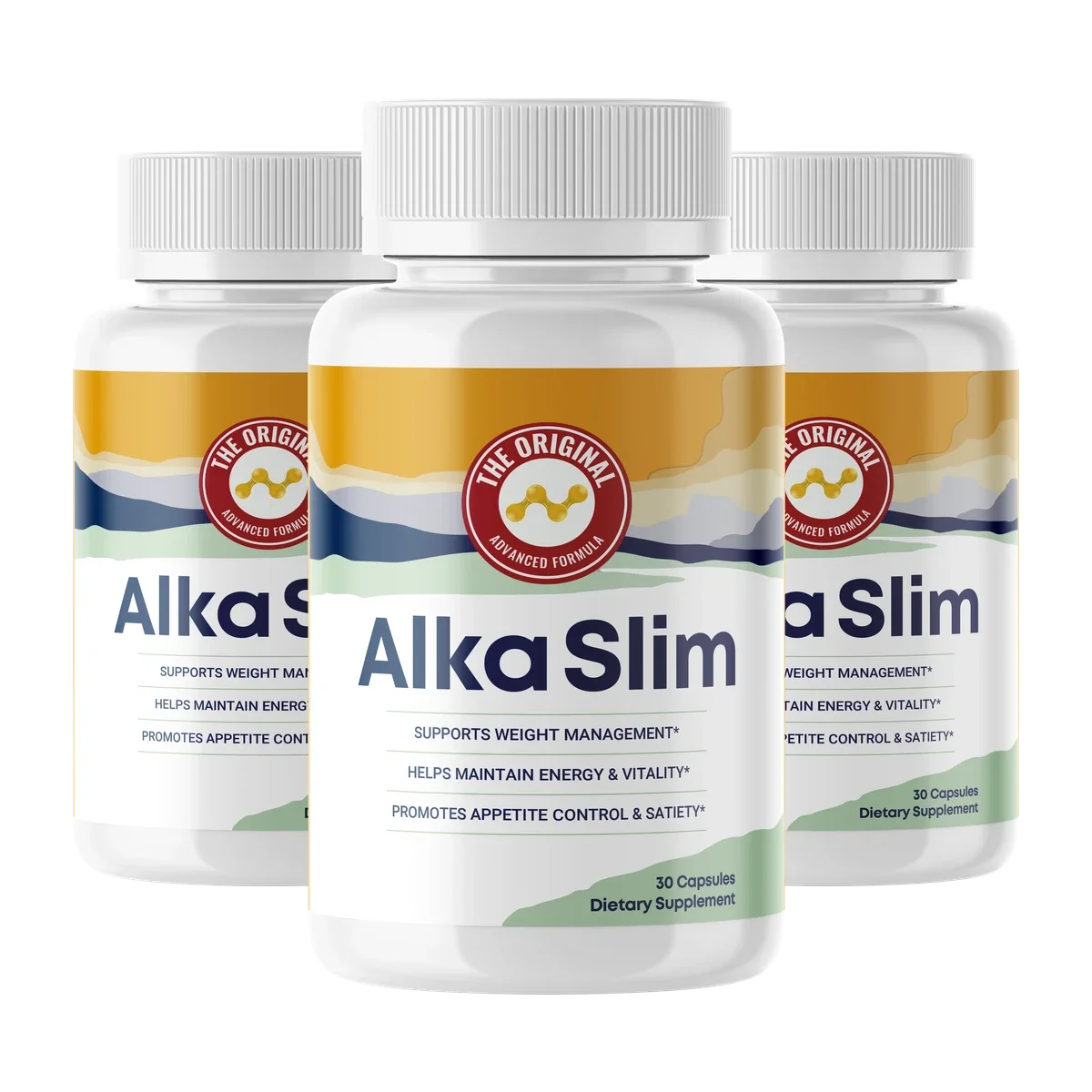
When you read the AlkaSlim ingredients list, the first thing to notice is the theme: this is a fibre-led formula built around appetite and digestion, not a stimulant stack. The label headlines four actives, baobab fibre, L-arabinose, spermidine and konjac glucomannan, and states they sit inside a proprietary blend of up to ten ingredients. That framing tells you a lot and hides a little, and the honest job of this page is to separate the two. We will walk through what each named ingredient is and how much human evidence stands behind it, then confront the single most important limitation on the whole panel: the doses are not disclosed, and without doses even a good ingredient list only takes you so far.
This is an independent read of the label, not a rewrite of the marketing. Where the evidence for an ingredient is strong we will say so; where it is thin or mostly preclinical we will say that too, because a fair ingredient review is only useful if it is willing to be unimpressed in places.
The AlkaSlim ingredients that headline the label
Start with the four named actives, because they are the ones you can actually assess. Konjac glucomannan is a viscous soluble fibre extracted from the konjac root; in water it swells into a thick gel, which is the mechanism behind the fullness and portion-control effect this category is built on. Baobab fibre, from the fruit of the African baobab tree, is another source of soluble and insoluble fibre that contributes to the bulking and digestive-support side of the formula. Both fit the fibre-led story cleanly and plausibly.
The other two are more interesting and less proven. L-arabinose is a plant sugar studied for its ability to interfere with the enzyme that breaks down sucrose, which in theory could blunt the blood-sugar response to sugary meals. Spermidine is a naturally occurring polyamine that has drawn attention in cellular and longevity research. Both are legitimate compounds with real science attached, but, as we will get to, the science attached is not the same as human weight-loss evidence, and the distinction matters when you are deciding what to expect.
Konjac glucomannan: the most evidence-based ingredient
If you want the strongest reason to take this formula seriously, it is konjac glucomannan. Of everything on the label, viscous soluble fibre has the most direct human evidence for the outcomes buyers actually care about: greater fullness, easier portion control, and modest weight support when it is paired with a reduced-calorie diet. The mechanism is not mysterious or metabolic hand-waving; the fibre physically thickens stomach contents, slows gastric emptying, and stretches out satiety signalling. That is a plausible, well-studied route to eating a little less without feeling deprived.
Two honest caveats keep this in proportion. First, glucomannan's effect is a support to a calorie deficit, not a replacement for one; the studies that show benefit pair it with a controlled diet, and so should you. Second, and this is the crux of the whole page, viscous fibre tends to need meaningful gram-level quantities to gel enough to matter, which makes the undisclosed dose a real question rather than a technicality. If you want the deeper mechanism, our explainer on how viscous soluble fibre drives satiety covers why the gel, and the amount of it, is the active principle.
Spermidine and L-arabinose: promising but unproven for weight loss
Here is where a fair review has to apply the brakes. Spermidine is a genuinely fascinating compound in the research world, studied in the context of cellular renewal and healthy ageing, and it is easy to see why a formula would want it on the label. But the important, unglamorous truth is that it lacks solid human weight-loss evidence. Interesting cellular and animal findings are not the same as demonstrated fat loss in people, and treating the two as interchangeable is exactly the sleight of hand a careful buyer should refuse. Spermidine's presence is a talking point, not a proven weight-loss driver.
L-arabinose sits in a middle zone. There is a coherent mechanism, sucrose-digestion interference, and some supporting research on its effect on the blood-sugar response to sugary foods, which is more than spermidine can claim for weight specifically. But it is still a modest, meal-dependent effect rather than a headline fat-loss action, and, once again, its usefulness depends entirely on being present at an adequate dose. The pattern across these two ingredients is consistent: real compounds, real science, but science that is either not about weight loss or not confirmed at the doses hidden inside a blend.
Read the label, then run a refundable test
An ingredient list tells you plausibility; your own 60-day trial tells you the rest. See the official store, the current supply options and the money-back terms before you decide.
See the Official AlkaSlim StoreDoes AlkaSlim list exact doses? The proprietary blend problem
Now the central limitation, stated without euphemism: AlkaSlim uses a proprietary blend, which means the label lists a single combined weight for the group of ingredients rather than the milligrams of each one. You can see the roster; you cannot see the ratios. In practice that makes it impossible to confirm whether konjac glucomannan is present in the gram-scale amount that research uses, or whether it is a modest inclusion propped up by cheaper fillers, with the more exotic-sounding ingredients present in token quantities purely to appear on the label. The blend does not tell you, and that silence is the point.
This is not an accusation of wrongdoing. Proprietary blends are common and legal, and manufacturers offer a reasonable rationale: a blend protects a formula from being copied ingredient-for-ingredient by a competitor. But from the buyer's chair, the effect is that the one number you most need to judge efficacy, the dose of each active, is the one number you are not given. A believable ingredient story with undisclosed doses is a story you cannot fully verify, and honesty requires saying so plainly rather than waving it away.
Why undisclosed doses limit certainty
It is worth being concrete about why doses, not names, decide whether a supplement works. Almost every ingredient with real evidence has an effective range, a dose at or above which studies saw a result. Below that range, the same ingredient can be biologically inert, present in name only. Viscous fibre is the clearest example: a fraction of a gram will not form enough gel to blunt appetite, however impressive the ingredient sounds. So a formula can list all the right compounds and still underdeliver, simply because the amounts fall short of the thresholds the research relied on. The label can be accurate and the product still be underdosed; those two things are not in conflict.
That is the reasoning behind treating this label with measured optimism rather than either hype or dismissal. The ingredients are plausible and, in the case of glucomannan, well-chosen. The doses are unknown, which caps how confident anyone can be. Learning to read a panel this way, weighting the evidence-backed named ingredients and discounting the exotic garnish, does more for a buying decision than any testimonial. Our companion guides on how ingredient dosing and absorption actually work and on what carb-related actives can and cannot do both reinforce the same lesson: the number beside the name is what you are really buying.
How the AlkaSlim ingredients are meant to work together
Taken at face value, the formula tells a reasonably coherent story. The two fibres, konjac glucomannan and baobab, do the heavy lifting on fullness and digestive bulk, the mechanism most responsible for any appetite effect you might feel. L-arabinose adds a mealtime angle on the sugar response, aimed at the carbohydrate side of eating. Spermidine rounds out the label with a compound the marketing can attach a wellness narrative to. As an ensemble it is fibre-forward and appetite-focused, which is a sensible design for a weight-management aid and consistent with how you are told to take it, before meals, with plenty of water.
The gap between that tidy narrative and reality is, once more, the doses. A formula designed around viscous fibre lives or dies on whether the fibre is present in a gelling quantity, and that is exactly what the blend conceals. So the fair conclusion is conditional: if the fibres are dosed generously, the mechanism is real and the design is sound; if they are not, the label is prettier than the pill. You cannot tell which from the panel alone, which is precisely why the refundable trial exists as the tie-breaker.
What the label can't tell you, and what to do about it
Since the panel cannot settle the dose question, the rational move is to let a structured trial settle it for you. This is the practical payoff of an honest ingredient review: rather than trusting the label or distrusting it, you use the 60-day money-back guarantee as an experiment. Take it correctly, before meals, with adequate water, built up gradually, alongside a modest calorie deficit, and give it the full window. If the fibre is dosed to matter, you will feel the appetite effect and see modest results over weeks. If it is underdosed, you will feel little, and the guarantee limits your loss to your time rather than your money.
That framing turns the blend's uncertainty from a dead end into a manageable risk. It also keeps your expectations honest, which is the throughline of everything above. These statements have not been evaluated by the Food and Drug Administration, and this product is not intended to diagnose, treat, cure or prevent any disease. What the label shows is a plausible, fibre-led formula with one genuinely well-supported ingredient and several less-proven ones, wrapped in a blend that hides the doses. What it does not show, you test for yourself. Buyers weighing that test against the marketing should also read our fair look at where AlkaSlim reviews and complaints actually land, because outcomes reported over months are a useful reality check on any ingredient promise.
Related reading
- How to take AlkaSlim for best results: timing, water and realistic timelines
- Berberine sources, absorption and dosing: why the number beside the name matters
- White kidney bean extract and carb blocking: what the evidence really supports
- AlkaSlim reviews and complaints: a fair look at what buyers actually say
The honest bottom line on the ingredients
Read fairly, the AlkaSlim ingredient list is neither a scam nor a slam dunk. It is a well-themed, fibre-led formula whose best ingredient, konjac glucomannan, is genuinely evidence-based for fullness and modest weight support, and whose more exotic inclusions, spermidine especially, are more marketing shine than proven weight-loss drivers. The proprietary blend is the deciding limitation: it lists the cast without the running order, so no one can confirm from the panel that the useful ingredients are dosed the way the research demands. That is a real caveat, and pretending otherwise would be the dishonest version of this article.
What that leaves you with is a sensible, bounded decision. Weight the named, evidence-backed ingredients, discount the ones present mainly for the label, treat the undisclosed doses as uncertainty rather than proof of anything, and then let a refundable 60-day trial do the job the label cannot. Judge it by your own two weeks of correct use, not by the ingredient names on the front of the bottle. The list tells you the formula is plausible; only the trial tells you whether it is dosed to work for you.
Frequently asked questions
What ingredients are in AlkaSlim?
AlkaSlim's label highlights baobab fibre, L-arabinose, spermidine and konjac glucomannan, part of a proprietary blend the manufacturer says contains up to ten ingredients. The theme is fibre-led appetite and digestion support rather than stimulants. The exact roster beyond the named actives is not fully broken out on the panel, so the four headliners are the ingredients you can actually build an assessment around.
Does AlkaSlim list exact ingredient doses?
No. AlkaSlim uses a proprietary blend, which lists a single combined weight rather than the milligrams of each ingredient. That means you cannot confirm whether any active is present at the dose used in research. It is a common and legal industry practice, but it genuinely limits how confidently anyone, including us, can judge whether the formula is dosed to do what it suggests.
Which AlkaSlim ingredient is most evidence-based?
Konjac glucomannan has the strongest human evidence of the named actives, with studies linking viscous soluble fibre to greater fullness and modest weight support when it is paired with a reduced-calorie diet. Spermidine, by contrast, is interesting in early cellular and animal research but lacks solid human weight-loss data. Baobab fibre and L-arabinose sit somewhere in between.
Is a proprietary blend a red flag?
Not automatically, but it is a reason for caution. A blend can protect a formula from being copied, yet it also hides whether the useful ingredients are dosed high enough to matter. Treat undisclosed doses as uncertainty rather than proof of weakness, use the 60-day guarantee as a structured trial, and weight the named, evidence-backed ingredients most heavily in your decision.
Scientific references
- NIH Office of Dietary Supplements — Dietary supplement fact sheets
- U.S. Food and Drug Administration — Dietary supplements overview
- U.S. Food and Drug Administration — Supplement Facts label and proprietary blends
- Harvard T.H. Chan School of Public Health, The Nutrition Source — Fiber
- National Library of Medicine — Glucomannan and viscous soluble fibre research
- Mayo Clinic — Weight-loss basics and realistic expectations
Let the trial answer what the label can't
The ingredient list shows a plausible, fibre-led formula; only your own correct use over the 60-day window confirms the dose. Check the current supply options and money-back terms to run that test.
Go to the Official AlkaSlim Store