AlkaSlim Reviews and Complaints Examined: A Fair Look at What Buyers Say
Quick Answer: Are the AlkaSlim reviews trustworthy?
Individually, AlkaSlim reviews are a weak form of evidence: the glowing ones and the angry ones are both filtered through expectation. Read in aggregate, a fair pattern emerges. Most complaints target slow results and price rather than safety, and any perfect on-site star rating deserves more skepticism than a mixed one.
- The pattern: criticism clusters on pace of results and cost, not on side effects or harm.
- The red flag: a flawless rating is statistically odd for any real product and usually means the seller controls what shows.
- The fair test: judge it against the mechanism and the refund window, not against a stranger's before-and-after.
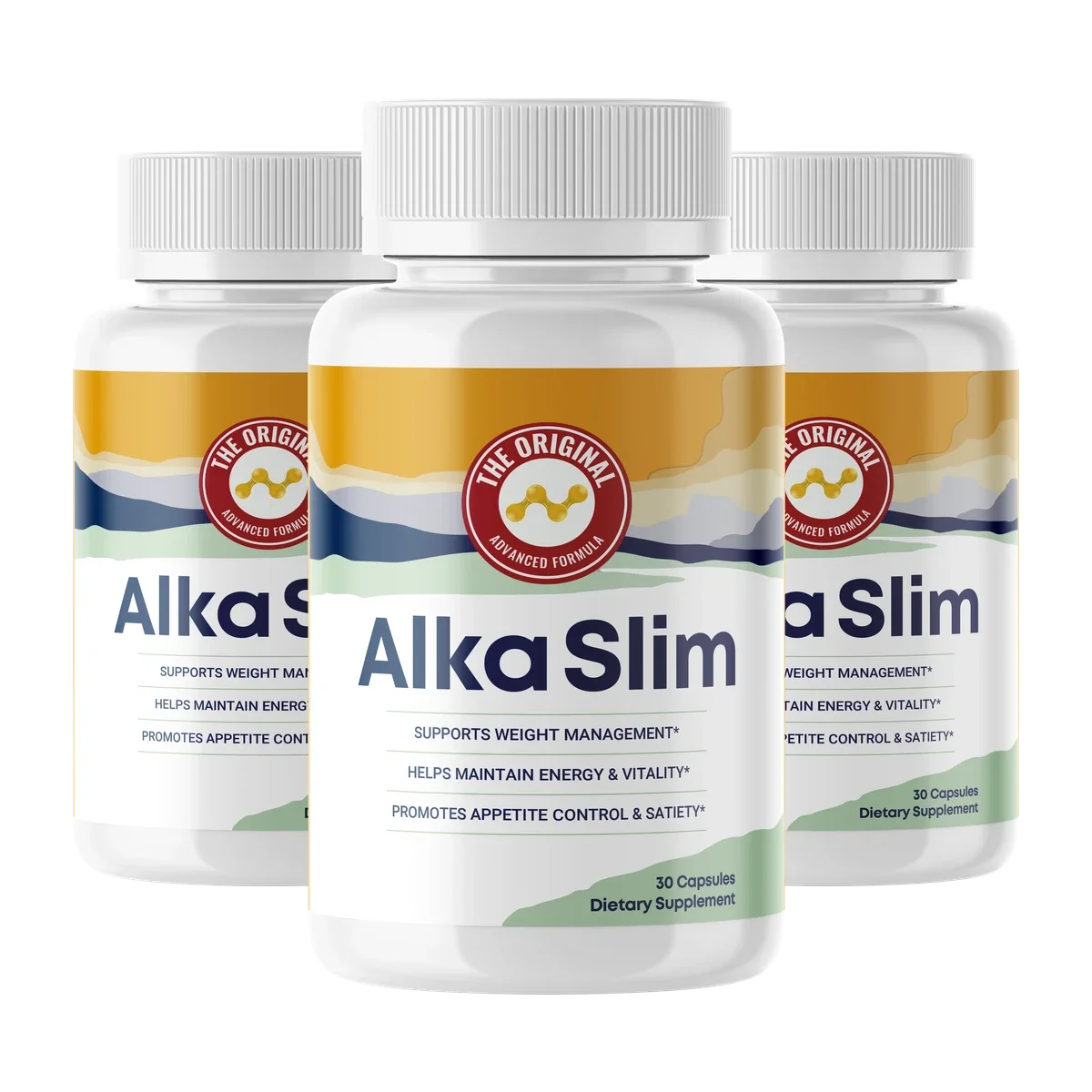
Every supplement review tells one of two stories
Read enough weight management reviews and you notice they almost never sit in the middle. One story is triumph: the writer changed something, the scale moved, and the supplement gets the credit. The other is betrayal: nothing happened fast enough, the money is gone, and the supplement gets the blame. Both stories are sincerely told. Neither is a controlled experiment. The person writing has no comparison group, no blinding, and no way to separate the capsule from the diet, the season, the stress, or the fortnight they actually stuck to a plan.
That is not a reason to ignore reviews. It is a reason to read them the way you would read weather reports from a hundred different windows: no single account is authoritative, but the aggregate tells you which way the wind is blowing. When you gather AlkaSlim reviews across marketplaces, forums and comment threads and strip out the two-line extremes, the remaining signal is surprisingly consistent, and it points somewhere more useful than either the five-star or the one-star pile.
What the positive AlkaSlim reviews actually claim
The favourable accounts, once you set aside the ones that read like ad copy, tend to describe something modest and specific rather than miraculous. The recurring phrase is some version of "I stopped grazing." People report that the between-meal reach for a snack got easier to resist, that portions felt like enough sooner, and that the afternoon carbohydrate crash softened. That is exactly the effect profile you would predict from a viscous-fibre formula: it thickens the contents of the stomach, slows gastric emptying, and stretches out the fullness signalling that follows a meal.
Notice what the credible positive reviews do not claim. They rarely describe effortless fat loss with no change in eating. They rarely describe dramatic weekly drops. The believable ones sound like a tool that made an existing effort easier to sustain, which is the honest ceiling for this entire category. A supplement in this class cannot manufacture a calorie deficit; at best it makes the deficit you are already running feel less like a fight. Reviews that respect that boundary are the ones worth weighting more heavily.
Where the complaints cluster: slow results
The single most common complaint is impatience meeting biology. Someone buys a bottle, takes it for a week or two, sees no dramatic change, and writes it off. This is the disappointment that dominates the negative pile, and it is worth being blunt about why it happens. Appetite modulation is not the same measurement as weight change, and weight change is not the same measurement as fat change. A fullness aid can be doing precisely what it is supposed to do at the dinner table while the bathroom scale, which is also reading water, glycogen, sodium and the timing of your last meal, shows nothing for a fortnight.
Fibre-led formulas in particular are slow-burn tools. The gastrointestinal adaptation, the habit change around portion size, and any downstream effect on total intake accumulate over weeks. A one-week verdict on a mechanism that was studied over months is not really a review of the product; it is a review of the reviewer's timeframe. The useful move here is to plan the trial before you buy it, which is the whole logic behind treating a guarantee window as a structured test rather than a safety net.
Judge it against the label, not a stranger's story
The fairest review you can run is your own, against a real refund window. See the official store, the current pricing tiers and the 60-day guarantee before you weigh anyone else's star rating.
See the Official AlkaSlim StoreWhere the complaints cluster: cost and billing
The second complaint theme is money, and it splits into two very different grievances that reviewers often conflate. The first is simple sticker regret: once the initial burst of motivation cools, a monthly supplement spend feels less justified, and the review reframes a considered purchase as a waste. That is a real feeling but not really a product fault. The second grievance is the one that matters, because it is preventable: buyers who felt surprised by a charge, or who struggled to stop a recurring order, or who could not locate the refund terms they thought they had agreed to.
This is where the purchase channel does more work than the formula. A guarantee is only as good as your ability to invoke it, and the terms, the window and the support contact all depend on where you clicked buy. Anyone weighing the complaints seriously should read our guide to AlkaSlim Ingredients: What the Label Shows, and What It Doesn't before ordering, because most of the billing horror stories trace back to a marketplace reseller or an unofficial page rather than to the guarantee itself. Buy from the channel that owns the refund and half of this complaint category never applies to you.

Expectation-driven disappointment versus a genuine issue
The most valuable skill when reading AlkaSlim reviews is separating a complaint about the product from a complaint about the reviewer's expectations. They look identical on the page and mean completely different things. "It didn't work" from someone who took it for nine days, changed nothing else, and expected the scale to fall is an expectation problem. "It gave me persistent cramping I couldn't settle even after ramping up slowly and drinking plenty of water" is a genuine tolerance signal worth respecting. Both earn one star. Only one should influence your decision.
A quick triage helps. Ask three questions of any negative review before you let it sway you. How long did they actually take it? Did they change anything else, or expect the capsule to do everything? And are they describing a safety or tolerance problem, or a results-and-time problem? Reviews that survive those three questions are the ones with information in them. The rest are mostly a mirror held up to the writer's assumptions, and you already know your own assumptions better than a stranger does. For the genuine-issue pile specifically, our breakdown of the AlkaSlim side effects worth watching for covers what is normal early adjustment versus what is a reason to stop.
Why a perfect on-site star rating deserves skepticism
Here is a counterintuitive rule: the more flawless a rating looks, the less you should trust it. Real products annoy some fraction of real buyers. Sizes run large, shipping runs late, a formula that suits most people upsets a few stomachs. A genuine body of hundreds of reviews carries a spread of opinion, a scattering of ones and twos among the fours and fives, precisely because humans are not unanimous about anything. A wall of identical five-star praise is not evidence of an exceptional product; it is evidence that someone is choosing what you get to see.
On-site ratings, wherever they appear, are displayed at the discretion of whoever owns the page. That is not necessarily fraud, but it is selection, and selection destroys the very thing that made the rating informative. This is a large part of why this independent guide deliberately publishes no star rating, no review count and no testimonials of its own: we hold none we can verify, and a number we cannot stand behind is worse than no number at all. If a seller's rating is suspiciously perfect, weight the mixed third-party accounts more heavily and the on-site score barely at all.
The verification problem: what the label doesn't tell you
There is a deeper reason no review, positive or negative, can fully settle the question, and it sits on the label rather than in the comments. Like many formulas in this category, the amounts of each active are not individually disclosed in a way that lets you confirm a functional dose. When a viscous fibre needs to be present in gram quantities to gel meaningfully, and the panel only tells you a blend exists rather than how much of each ingredient it contains, no amount of user testimony can close that gap. A person feeling full tells you they feel full; it does not tell you the dose was adequate or that the same tub will behave identically for you.
This is why label literacy beats review-reading almost every time. Understanding which numbers actually matter, and what an undisclosed proprietary blend can and cannot hide, does more for a buying decision than a hundred anonymous testimonials. Our primer on Blood Sugar Supplement Berberine: Sources, Absorption and Why the Dose Is Split walks through the arithmetic, and it is the single most useful companion to any review. Reviews describe outcomes; the label describes plausibility, and plausibility is what you are really buying.
None of this is a claim that the product is ineffective. It is a claim about the limits of the evidence. These statements have not been evaluated by the Food and Drug Administration, the formula is not intended to diagnose, treat, cure or prevent any disease, and the honest position is that hidden blend doses cap how far anyone, reviewer or reviewer of reviews, can verify. Certainty is not on the menu. A sensible, refundable trial is.
Two myths worth retiring
The first myth is that more reviews means more truth. Volume can be manufactured, incentivised or scraped, and a thousand shallow reviews are less informative than a dozen detailed ones from people who clearly used the product as directed for a real length of time. Depth beats count. A review that tells you how long, at what dose, alongside what dietary change, and with what specific outcome is worth more than fifty that say "love it!!"
The second myth is that a bad review is a warning and a good review is a green light. In this category the opposite is often more useful. A specific, detailed negative review teaches you the failure modes to plan around, such as ramping fibre too fast or expecting results in a week. A vague positive review teaches you almost nothing except that someone, somewhere, was pleased. Read the detailed criticism carefully and the effusive praise lightly. It is the reverse of most people's instinct, and it is the more accurate way round.
Related reading
- AlkaSlim side effects: what to watch for and what is normal early adjustment
- Best Weight Loss Pills 2026: A Buyer's Guide Ranked by Evidence, Not Hype
- Blood Sugar Metabolism Supplement: Chromium Picolinate, Carb Cravings, Dosing and Evidence
- AlkaSlim versus prescription weight-loss pills, compared honestly
So is it still worth trying?
The reviews, read fairly, do not disqualify AlkaSlim; they describe a tool that helps people who use it correctly and disappoints people who expect it to do the work of a diet. That is not a damning verdict. It is the normal verdict for the entire viscous-fibre category, and it is one you can act on. If your expectations match the mechanism, if you buy through a channel with a real refund window, and if you judge the outcome over weeks rather than days, the downside is bounded by the guarantee and the upside is a sustained effort that feels easier to hold. That is a reasonable bet, made with open eyes rather than borrowed enthusiasm.
The one thing no review can do is make the decision honestly on your behalf. The label, the price, the guarantee terms and your own two-week experience will tell you more than the entire comment section combined. Read the criticism for its failure modes, discount the flawless praise, and then run the only review that is actually about you.
Frequently asked questions
What do negative AlkaSlim reviews say?
The most common negative reviews are not about harm. They cluster around two themes: results that arrived slowly or not at all inside the writer's chosen timeframe, and a price that felt high once the initial motivation faded. A smaller group mentions mild digestive adjustment in the first week. Very few describe anything that reads as a genuine safety event.
Are the complaints about results or side effects?
Overwhelmingly about results and cost, not side effects. Fibre-led formulas like this one tend to produce tolerable, predictable digestive changes rather than dramatic adverse events, so the disappointment in most complaints is about pace and price. That distinction matters, because a slow-results complaint is really a complaint about expectations and time, which you can plan around before you buy.
Can I trust the star rating on the site?
Treat any perfect or near-perfect rating with skepticism, wherever it appears. Ratings displayed by a seller are selected and controlled by that seller, and a flawless score across hundreds of entries is statistically unusual for any real product. A believable rating has a spread of opinion in it. This independent guide publishes no star rating of its own for exactly that reason.
Is the product still worth trying?
It can be, if your expectations match the mechanism and you buy through a channel with a real refund window. A viscous-fibre formula is a fullness aid layered on top of a calorie deficit, not a replacement for one. If you treat the guarantee as a structured trial and judge results over weeks rather than days, the decision carries far less risk.
Scientific references
- Federal Trade Commission — Endorsement guides and what counts as a genuine review
- U.S. Food and Drug Administration — Dietary supplements overview
- NIH Office of Dietary Supplements — Dietary supplement fact sheets
- Mayo Clinic — Weight-loss basics and realistic expectations
- Harvard T.H. Chan School of Public Health, The Nutrition Source — Fiber
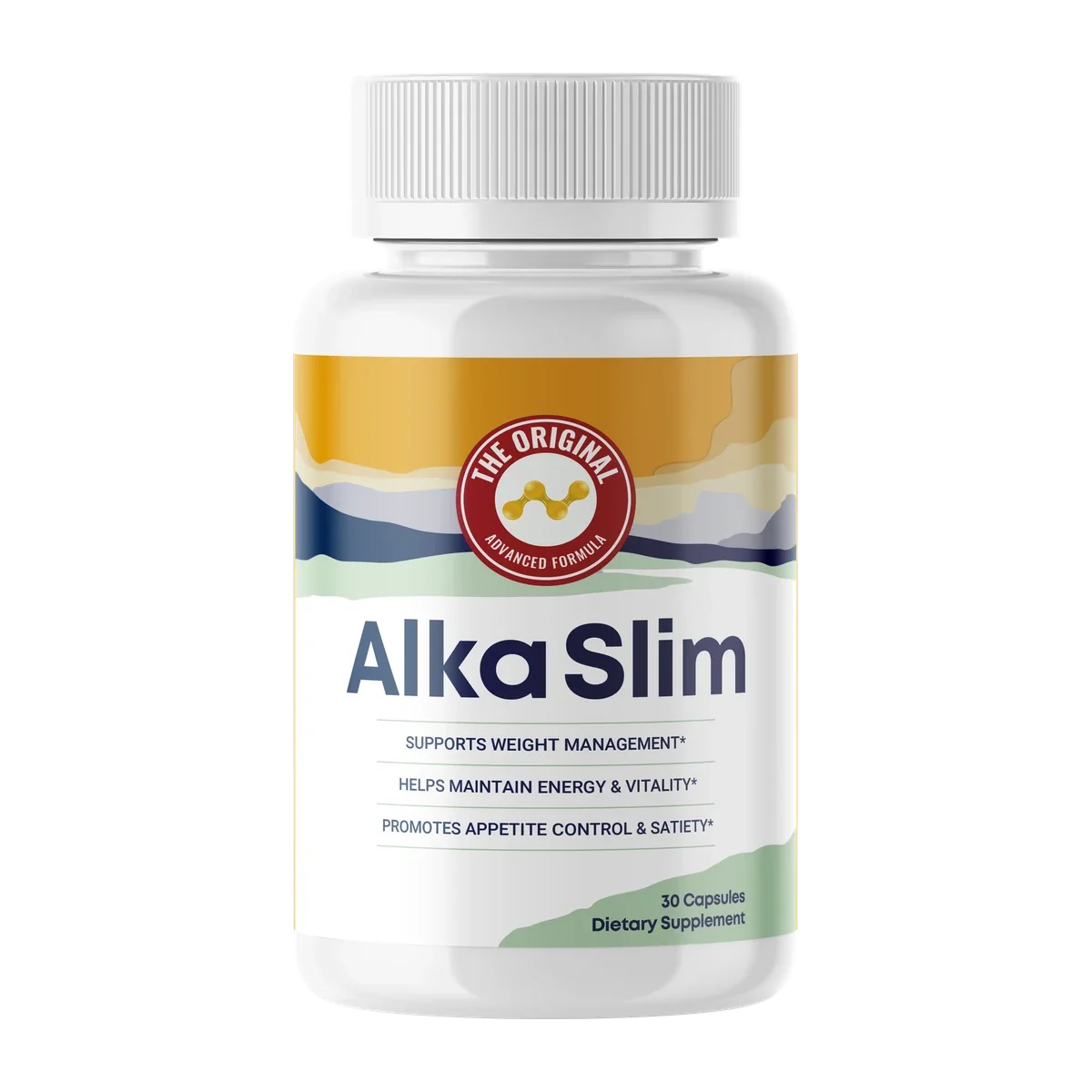
Run the only review that is about you
Read the ingredient panel, check the current price, and start the 60-day window on your own terms. Your two weeks of real use will tell you more than the entire comment section.
Go to the Official AlkaSlim Store