AlkaSlim vs Prescription Weight Loss Pills: An Honest Comparison
Quick Answer: Is AlkaSlim a Substitute for Prescription Weight Loss Pills?
No. AlkaSlim is a fibre supplement that supports appetite and fullness, whereas prescription weight loss pills are clinician-managed medicines that, on average, drive substantially larger weight loss. A supplement suits milder goals or appetite support; a prescription is the stronger path when weight is affecting health, and only a doctor can prescribe and monitor it.
- The gap: on average loss, prescription GLP-1s and pills such as Qsymia and Contrave outperform any fibre supplement.
- The fit: supplements suit milder goals, appetite support and everyday consistency, not medication-level results.
- The gatekeeper: only a clinician can prescribe, dose and monitor a weight-loss drug safely.
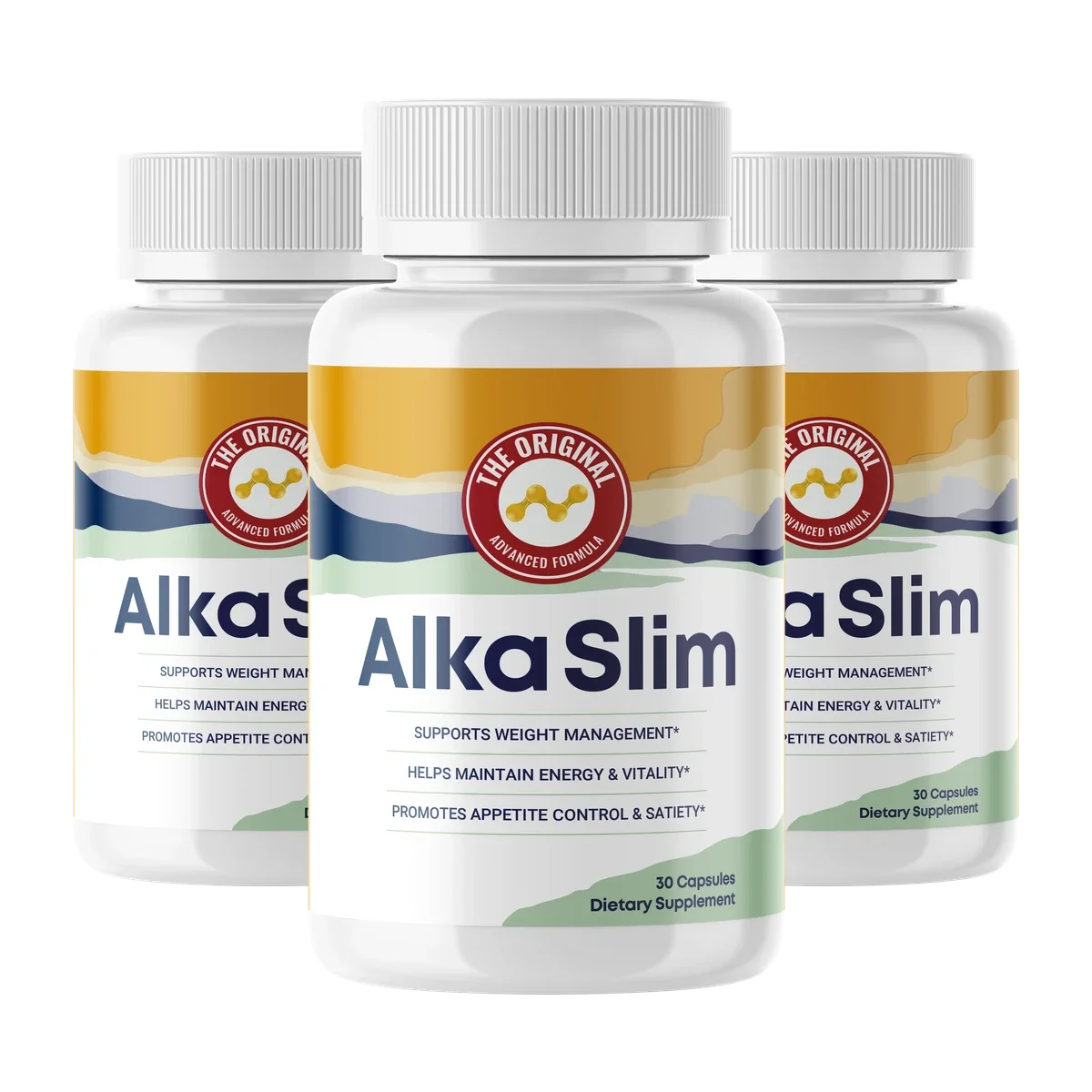
If you have typed “does a fibre supplement work as well as the injections everyone is talking about,” you already suspect the honest answer, and you deserve the honest answer rather than a sales pitch dressed up as one. The short version is that prescription weight loss pills and clinician-prescribed injections were built and tested for a job that no over-the-counter supplement is built for, and the trial data reflects that. AlkaSlim sits in a different, more modest lane. Pretending otherwise would be the fastest way to lose your trust, and the whole point of this guide is to help you spend your money and your months on whichever path actually fits your situation.
How AlkaSlim compares to prescription weight loss pills
Start with mechanism, because mechanism explains the results gap before any number does. AlkaSlim is a viscous soluble fibre formula. Stirred into water and swallowed with more of it, the fibre hydrates into a thick gel in the stomach and upper small intestine. That gel slows how fast a meal leaves the stomach, which stretches the sensation of fullness and can nudge the gut hormones that report satiety to the brain. It is a physical effect, and a real one, but it is gentle. It makes eating a sensible amount feel more comfortable; it does not override appetite.
Prescription medicines work on the control system itself. GLP-1 receptor agonists mimic a gut hormone that reduces hunger and slows gastric emptying at a pharmacological level far beyond what fibre achieves. Combination pills such as phentermine-topiramate (branded Qsymia) and naltrexone-bupropion (branded Contrave) act on appetite and reward pathways in the brain. Orlistat takes a different route entirely, blocking the absorption of a share of dietary fat in the gut. These are potent, regulated interventions, and their average results in clinical trials are correspondingly larger than anything a fibre supplement reports.
So the fair framing is not “which is better” in the abstract. It is “which tool matches the size of the job.” A person looking for daily appetite support and a bit of help with portion control is shopping in a different aisle from a person whose clinician has recommended pharmacological treatment for a weight-related health concern.
What prescription weight loss pills actually are
The category is broader than the headlines suggest, and the differences between the options matter. The GLP-1 receptor agonists are the medicines behind most of the recent attention; some are weekly injections and the field is now moving toward oral versions. In trials, average weight loss on the newer agents has been dramatic compared with the older generation of drugs, which is precisely why they dominate the conversation. They are prescribed and titrated by a clinician, they carry their own side-effect profile, and they are not casual purchases.
Phentermine-topiramate and naltrexone-bupropion are oral prescription pills that combine two agents each. They produce meaningful average loss, less than the leading GLP-1s but well above placebo, and each carries specific cautions a prescriber weighs against your history. Orlistat, available in prescription and lower-dose over-the-counter forms in some markets, reduces fat absorption and is famous mainly for the digestive consequences of doing exactly that. Every one of these is a medicine. Each requires a professional to decide whether it fits you, to set the dose, and to watch for problems while you take it.
None of this is a reason to fear prescriptions. It is a reason to route them through the person qualified to manage them. A supplement company telling you to skip that step would be doing you a disservice, and we are not going to.
Support your appetite while you decide
If your goal is milder and you want daily fullness support rather than a medicine, AlkaSlim is a fibre-led option you can start today. Read the panel, check the dose, and see whether it fits before you commit.
See the Official AlkaSlim Store
What a fibre supplement like AlkaSlim actually does
It helps in three quiet ways, and it is worth naming them precisely so you can judge whether they are worth it to you. First, viscous fibre slows gastric emptying, so a meal registers as filling for longer and the urge to go back for more arrives later. Second, that same slowing blunts the sharp rise and fall of blood glucose after a carbohydrate-heavy meal, which for some people softens the mid-afternoon crash that drives snacking. Third, taken before a meal with a full glass of water, a gel-forming fibre physically occupies stomach volume, so the meal that follows can feel like enough sooner.
What it does not do is create a calorie deficit on its own. Every credible study that showed weight change with viscous fibre also involved dietary change; the fibre made the same reduced intake feel more manageable rather than manufacturing the reduction by itself. If you read a supplement page implying that a scoop of fibre melts fat while you carry on eating exactly as before, you are reading marketing, not evidence. The honest pitch for AlkaSlim is narrow and defensible: it is a daily tool that can make portion control and appetite feel less like a fight.
The effectiveness gap, stated plainly
Here is the myth worth dismantling: that a well-formulated supplement can match a prescription if you just find the right one. It cannot, and the trial arithmetic is not close. Across the published literature, the average weight loss achieved with leading prescription weight loss pills and injections is a multiple of what fibre supplements report, and the gap widens with the newer GLP-1 agents. A supplement that promised those numbers would be either dishonest or misbranded as a drug. AlkaSlim promises neither, and that restraint is a feature, not a weakness.
The corollary matters just as much. “Weaker on average” is not the same as “useless.” For someone with a modest goal, a decent appetite baseline and a diet that mostly works, a gentle daily assist can be exactly the right size of intervention, and it comes without a prescription, without titration and without the side-effect profile of a drug. The mistake is not choosing fibre. The mistake is choosing fibre when the situation called for a doctor, or choosing a drug when the situation called for a sandwich and a walk. Matching the tool to the job is the entire skill.
A fibre supplement that is honest about being weaker than a medicine is more useful than a supplement that pretends to be one. You can plan around a known limit; you cannot plan around a false promise.
Objection: “Prescriptions are always the better choice”
On average effectiveness, prescriptions win, and we have said so repeatedly because it is true. But “on average” is doing heavy lifting in that sentence. Averages are built from people who tolerated the medicine, stayed on it, and responded to it. Real life includes people who cannot tolerate the nausea, people whose insurance will not cover the cost, people who plateau, and people whose goals are small enough that the risk-and-cost calculus of a drug simply does not pencil out. For those people, a supplement or lifestyle-first approach is not a consolation prize; it is the rational choice.
There is also the matter of what happens after. Medicines work while you take them, and weight regain after stopping is a well-documented challenge that clinicians manage deliberately. None of that argues against prescriptions. It argues for treating “always better” as the slogan it is, and replacing it with a real question: better for whom, for which goal, at what cost, monitored by whom?
Objection: “Supplements are safer, so they are the smart default”
Gentler is not automatically safer, and it is certainly not automatically smarter. Viscous fibre is well tolerated by most people, but it has its own cautions: it must be taken with ample water, it can cause wind and bloating if you ramp up too fast, and anyone with swallowing difficulty or a history of gastrointestinal narrowing should not take a gel-forming fibre without medical advice. Fibre can also slow the absorption of some oral medicines, which is a real interaction, not a theoretical one.
Meanwhile, “safer” is cold comfort if the tool is too weak for the problem. A person whose clinician has flagged a weight-related health risk is not served by defaulting to the mildest option available simply because it is available without a prescription. Safety is about fit, supervision and honest expectations, not about which product needs the least paperwork to buy.
Can you use AlkaSlim alongside a prescription?
Sometimes, and only with the prescriber in the loop. The most concrete issue is timing: because viscous fibre can trap and slow the absorption of oral medicines, the standard advice is to separate a fibre dose from medication by a couple of hours, and to confirm that separation with a pharmacist for anything with a narrow therapeutic window. Beyond timing, there is the question of whether combining them makes sense at all for your plan, and that is not a question a website can answer for you.
The rule is simple and non-negotiable: before you add any supplement to a prescription, tell the person who prescribed it exactly what is in the supplement. Bring the label. Let them decide. That single habit prevents most of the avoidable problems people run into when they mix an over-the-counter product with a serious medicine.
| Feature | AlkaSlim (viscous fibre) | Prescription pills & injections |
|---|---|---|
| How it works | Physical gel slows gastric emptying, supports fullness | Acts on gut hormones or brain appetite pathways, or blocks fat absorption |
| Average weight loss | Modest, and only alongside dietary change | Substantially larger on average, especially newer GLP-1 agents |
| Who decides you can have it | You, over the counter | A clinician, after assessing your history |
| Monitoring | Self-managed; sensible cautions apply | Ongoing clinical monitoring and dose titration |
| Best fit | Milder goals, appetite support, daily consistency | Larger goals or weight affecting health |
| Main cautions | Take with water; can slow drug absorption; not for swallowing disorders | Drug-specific side effects; cost; regain risk after stopping |
How to decide which path fits you
Work from the goal backwards. If your weight is affecting your health, if a clinician has raised a weight-related condition, or if serious diet-and-exercise effort has genuinely stalled, that is a conversation to have with a doctor about prescription options, and no supplement should stand between you and that conversation. If your goal is milder, your diet mostly works, and what you want is daily help holding a sensible pattern, a fibre-led supplement is a reasonable, low-drama place to start. Many people will move between these over time, and that is fine.
Whichever way you lean, the buying decision has a practical edge worth planning for. If you go the supplement route, the store you order from also sets the guarantee window you get to test the product in, so the length of supply you choose is really a decision about how honest a trial you are giving yourself. Our companion piece on AlkaSlim Ingredients: What the Label Shows, and What It Doesn't digs into how to judge that, and if you are weighing formats, our guide to AlkaSlim Side Effects: What to Watch For and How to Minimise Them covers which one people actually stick with.
Related reading
- Blood Sugar Supplement Berberine: Sources, Absorption and Why the Dose Is Split
- Best Weight Loss Pills 2026: A Buyer's Guide Ranked by Evidence, Not Hype
- AlkaSlim reviews and complaints: what buyers actually report
- Blood Sugar Metabolism Supplement: Chromium Picolinate, Carb Cravings, Dosing and Evidence
Frequently asked questions
How does AlkaSlim compare to prescription pills?
AlkaSlim is a viscous-fibre supplement that works on appetite and fullness, while prescription weight loss pills are clinician-prescribed medicines that act on brain signalling or gut hormones. On average loss, the prescription options studied in trials outperform any fibre supplement. AlkaSlim suits milder goals and daily appetite support, not the results a monitored drug programme can produce.
When should I ask a doctor about prescriptions?
If your weight is affecting your health, previous diet-and-exercise efforts have stalled, or a clinician has flagged a weight-related condition, that is the moment to ask about prescription options. Only a doctor can assess whether a GLP-1, Qsymia or Contrave fits your history, prescribe it, and monitor you safely over time.
Are prescription pills always more effective?
On average, yes, the prescription medicines studied produce larger weight loss than supplements, but averages hide individual variation. Some people cannot tolerate the side effects, others stop responding, and a few do well on lifestyle support alone. More effective on paper is not the same as the right fit for one particular person and history.
Can I use a supplement alongside a prescription?
Sometimes, but never assume it. Viscous fibre can slow the absorption of oral medicines, so it should be separated from them by a couple of hours, and combining anything with a prescription is a decision for the prescriber or pharmacist who knows your full medication list. Tell them exactly what is in the supplement before you start.
Scientific references
- Efficacy and Safety of Glucagon-like Peptide-1 Receptor Agonists and Co-agonists for Weight Loss Among Adults Without Diabetes : An Updated Systematic Review (Ann Intern Med, 2026)
- Comparative effects of drugs for adults with overweight or obesity: systematic review and network meta-analysis (BMJ, 2026)
- U.S. Food and Drug Administration — prescription weight-loss drug information
- Mayo Clinic — Prescription weight-loss drugs: Can they help you?
- Harvard T.H. Chan School of Public Health, The Nutrition Source — Fiber
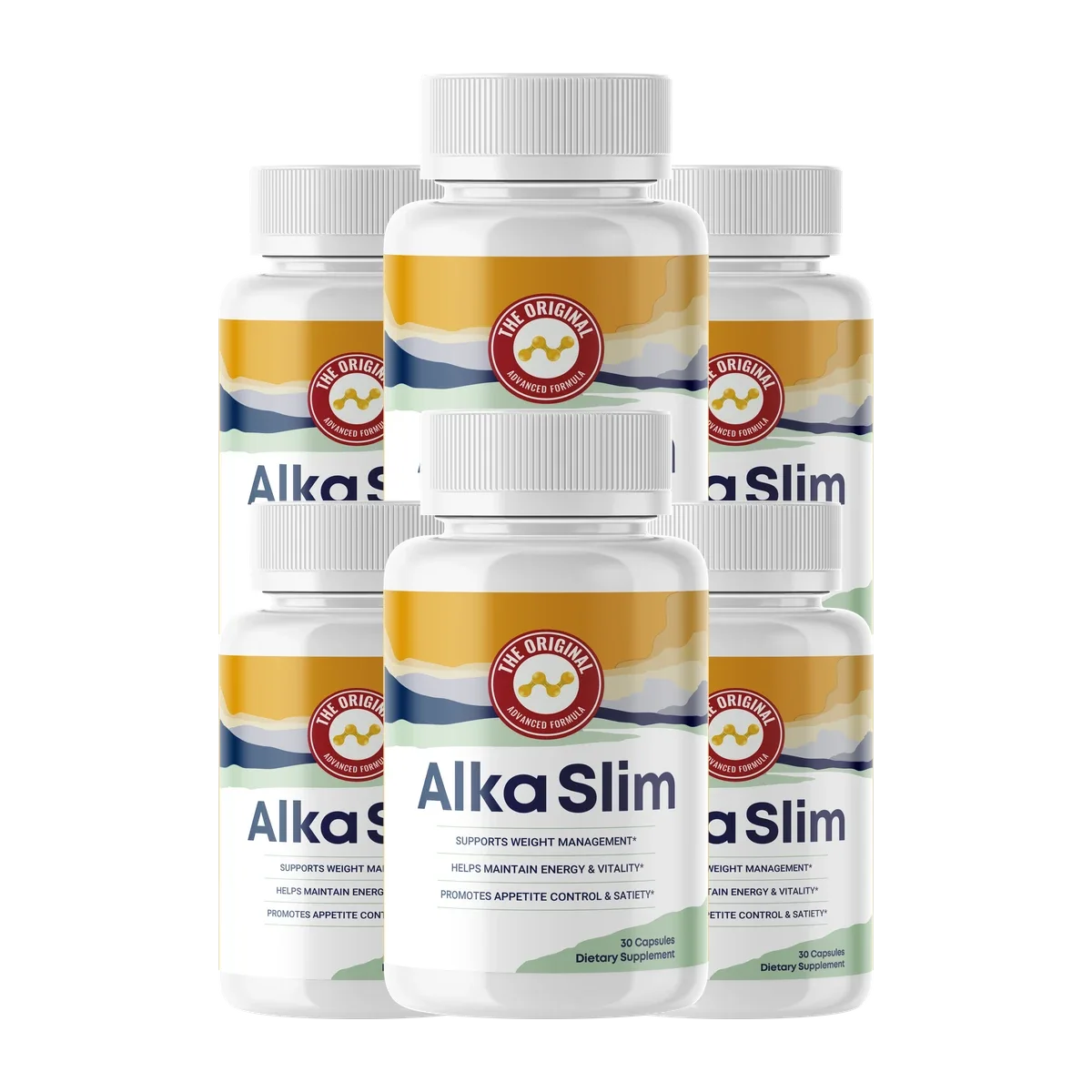
Read the AlkaSlim panel before you choose
If a fibre-led approach fits your goal, start with the label: four named actives and a 60-day window that begins the day you buy. See what you are actually getting, then decide.
Go to the Official AlkaSlim Store