Berberine vs Ozempic: Is Berberine Really Nature's Ozempic?
Quick Answer: Is Berberine the Same as Ozempic?
Berberine is a plant compound often called nature's Ozempic, but the comparison overstates it. Ozempic is a potent prescription GLP-1 drug; berberine is a gentle AMPK-activating supplement. Expect modest single-digit support from berberine and far larger average loss from GLP-1 medicines. Use berberine as daily help, not a drug replacement.
- Different mechanism: berberine activates the AMPK enzyme; Ozempic mimics the GLP-1 gut hormone.
- Different scale: berberine ~2–3 kg over 12 weeks vs 10–15 kg for semaglutide-class drugs.
- Different role: berberine is daily support for milder goals, not a prescription substitute.
Search interest in berberine vs Ozempic exploded the moment someone on social media christened a humble yellow plant extract “nature's Ozempic,” and it is easy to see why the phrase stuck. Ozempic and the wider family of GLP-1 injections have become shorthand for dramatic weight loss, they are expensive, and for many people they are hard to access. So the promise of a cheap capsule from the health-food aisle that does the same job is intoxicating. This guide exists to give you the honest version of that comparison, because the truth is more useful than the hype, and because setting the wrong expectation is the fastest way to waste your money and your months.
Here is the short version before we earn it: berberine is a genuinely interesting, well-studied compound, and Ozempic is a genuinely powerful medicine, and they are not the same thing operating at different volumes. They are different tools. Knowing exactly how they differ is what lets you choose the one that fits your situation, rather than the one a headline told you to want.
Berberine vs Ozempic: what each one actually is
Ozempic is a brand name for semaglutide, a prescription GLP-1 receptor agonist. That mouthful matters: it means the drug imitates glucagon-like peptide-1, a hormone your gut releases after eating that tells your brain you are full and slows how quickly your stomach empties. By flooding those receptors far beyond what a normal meal ever could, semaglutide reduces hunger substantially, which is why average weight loss in its trials has been so striking. It is administered under medical supervision, titrated up over weeks, and carries a defined side-effect profile that a clinician is trained to manage.
Berberine is something else entirely. It is a bioactive alkaloid found in plants such as goldenseal, barberry and Oregon grape, used for centuries in traditional medicine and studied in modern trials mainly for its effects on blood sugar and cholesterol. It is sold over the counter as a dietary supplement, it needs no prescription, and it works through a completely different biological doorway. Calling it “nature's Ozempic” compresses those differences into a slogan, and slogans are where honest expectations go to die.
How berberine works: the AMPK story, not the GLP-1 story
The single most important fact in this whole comparison is the mechanism, because mechanism explains the results gap before any number does. Berberine's headline action is activating an enzyme called AMP-activated protein kinase, or AMPK, sometimes described as a metabolic master switch. When AMPK is switched on, cells behave as if energy is scarce: they take up glucose more readily, improve insulin sensitivity, and shift toward burning fuel rather than storing it. That is a real, measurable effect, and it is why berberine has decent evidence for improving markers of blood-sugar control.
But notice what is missing from that description. Berberine's AMPK pathway is not the GLP-1 pathway. Institutions that have looked closely, including researchers cited by UCLA Health and Oregon State University, have been clear that there is no conclusive evidence berberine produces the GLP-1-like appetite suppression that drives Ozempic's results. The nickname implies a shared mechanism that simply is not established. Berberine may help your metabolism run a little more efficiently; it does not hijack your hunger signalling the way a GLP-1 drug does. Once you understand that, the difference in weight-loss outcomes stops being surprising and starts being predictable.
How much weight can you realistically lose?
This is the question everyone actually came for, so here are the numbers without spin. In the studies that exist, berberine is typically associated with roughly two to three kilograms of weight loss, in the region of one to three percent of body weight, over about twelve weeks, and almost always alongside dietary changes rather than on its own. That is a real effect, and for a supplement it is respectable, but it is modest. It is the difference a careful person notices on the scale and in how their clothes fit, not a transformation.
Now the other side. Semaglutide-class prescription drugs average far more in their trials, commonly ten to fifteen kilograms, or roughly six to fifteen percent of body weight, with the newer agents at the top of that range. That is not a small edge; it is a different order of magnitude. Any comparison that leaves you thinking the two are interchangeable has misled you. The honest way to hold both facts at once is this: berberine is the most evidence-backed over-the-counter option in its lane, and its lane is a fraction as powerful as the prescription lane. If you want the deeper picture on the supplement side of that lane, our companion guide on natural Ozempic alternatives that actually work ranks the ingredients with the most human data behind them.
Want daily appetite support without a prescription?
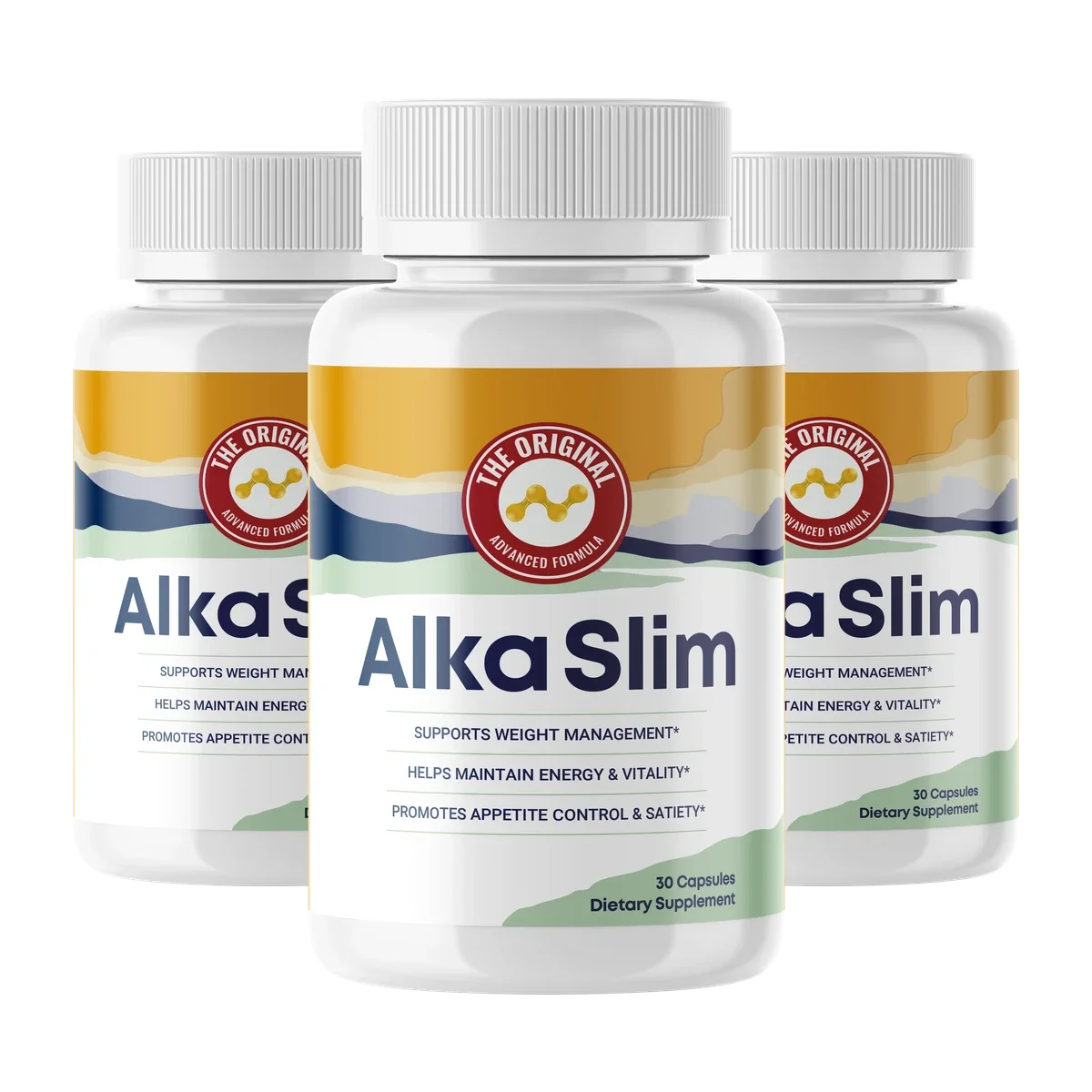
If your goal is milder and you want a daily, fibre-led supplement to make sensible eating easier to hold, AlkaSlim is an over-the-counter option you can start today. Read the panel and the 60-day terms, then decide for yourself.
See the Official AlkaSlim Store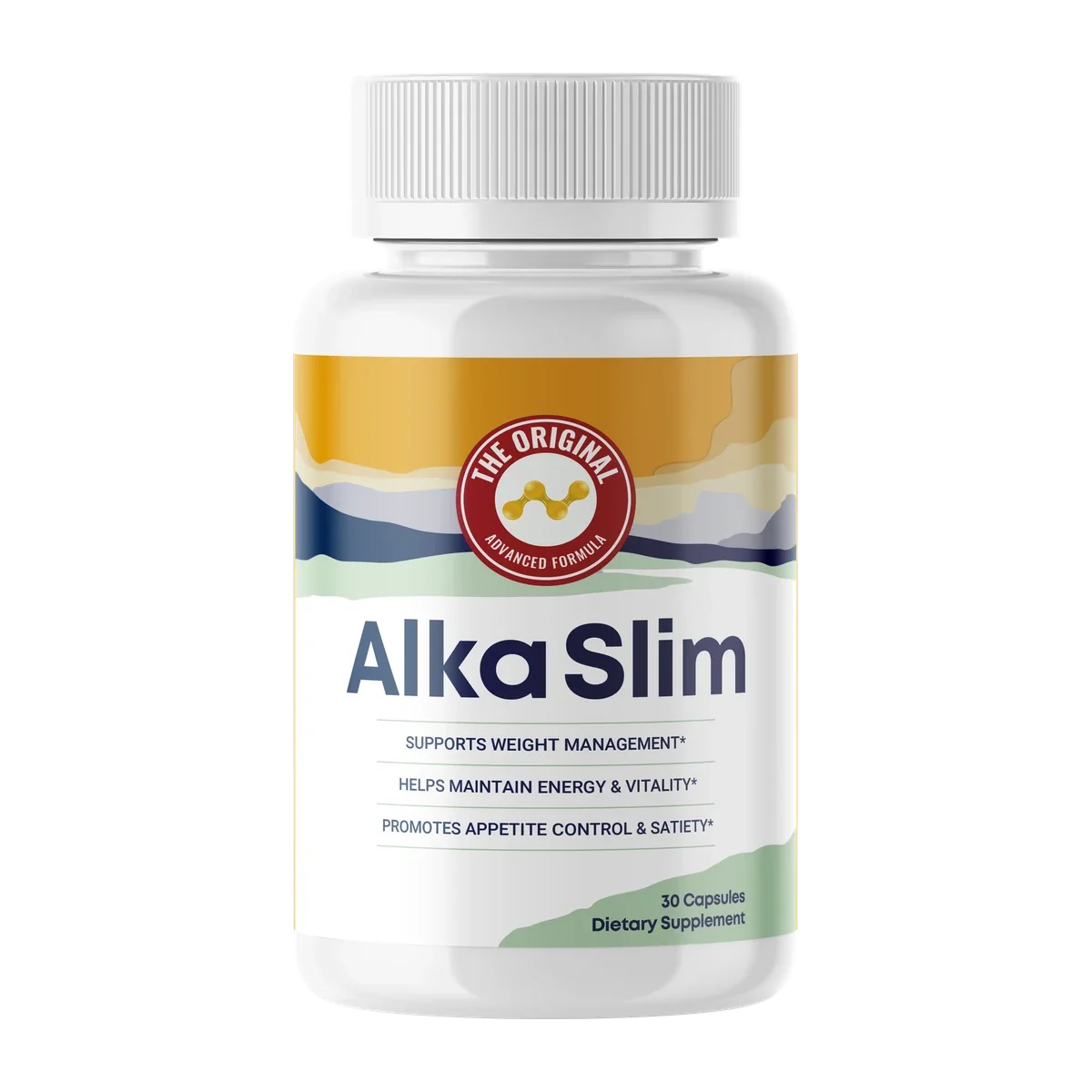
Myth check: is berberine really “nature's Ozempic”?
Let us dismantle the phrase directly, because it is the reason most people are here. “Nature's Ozempic” is a marketing metaphor, not a scientific claim, and it does two misleading things at once. First, it implies the same mechanism, when berberine works through AMPK and Ozempic works through GLP-1, two distinct systems. Second, it implies comparable results, when the outcome data differs by roughly five-fold on average. A metaphor that is wrong about both the “how” and the “how much” is a bad guide to a spending decision, however catchy it sounds.
That does not make berberine a scam or the enthusiasm baseless. There is a genuine kernel: both compounds touch glucose metabolism, both have signals for weight and blood sugar, and for someone who cannot or will not use a GLP-1 drug, berberine is a defensible, evidence-supported choice. The mistake is not taking berberine. The mistake is expecting a supplement to deliver a medicine's results because a phrase promised it would.
A supplement that is honest about being gentler than a drug is more useful than one that pretends to be the drug. You can plan around a known limit; you cannot plan around a slogan.
Objection: “If I can't get Ozempic, isn't berberine a real substitute?”
This is the most sympathetic objection, and it deserves a straight answer rather than a dodge. If cost, supply shortages, or side effects have put GLP-1 drugs out of reach, you are not being unreasonable to look for the next best thing, and among over-the-counter options berberine has the strongest evidence base. In that specific sense, yes, it is a reasonable substitute to consider, and it is far better than the dozens of stimulant-laden “fat burners” that promise the moon.
But “the best available OTC option” is not the same as “equivalent to the drug.” Berberine will give you modest support; it will not replicate the appetite suppression or the average loss of a GLP-1. And crucially, if a clinician recommended a weight-loss medicine because your weight is affecting your health, that is a medical decision that a supplement should not quietly override. The right move is to bring berberine up with your doctor as the OTC route you are considering, not to treat it as a self-prescribed swap. Understanding how berberine is sourced, absorbed and dosed will also help you judge whether a given product is even capable of the effect the research describes.
Objection: “Supplements are just underdosed hype”
This objection is more right than the supplement industry would like to admit, and pretending otherwise would undercut everything else here. Berberine's studied effect depends on an adequate daily dose, typically split across the day because it is poorly absorbed and can upset the stomach if taken all at once. A product that includes a token sprinkle of berberine so it can print the word on the label, or that buries it inside a proprietary blend without disclosing the amount, cannot be assumed to reproduce the trial results. Dose is not a detail; dose is the difference between an active ingredient and a decoration.
That is exactly why we push people toward the boring discipline of reading the panel and testing a product properly rather than trusting the front of the bottle. It is also why a refundable trial window matters so much for supplements: it turns an uncertain purchase into a bounded experiment. If a formula is dosed to work, you will feel it over a few weeks; if it is underdosed hype, a guarantee limits your loss to your time.
Where a daily fibre-led supplement like AlkaSlim fits
It is worth being precise about where a product like AlkaSlim sits in this picture, because it is not a berberine pill and we are not going to pretend it is one. AlkaSlim is a fibre-led formula whose named actives are baobab fibre, L-arabinose, spermidine and konjac glucomannan, sold as a daily appetite-support supplement rather than a metabolic drug. Its route to helping is the fullness route: viscous fibre gels in the stomach, slows how fast a meal leaves it, and makes eating a sensible amount feel more comfortable. That is a different quiet mechanism from both berberine's AMPK action and Ozempic's GLP-1 action, but it is aimed at the same everyday problem of eating a little less without a fight.
So if you have arrived at berberine vs Ozempic looking for a daily, no-prescription way to make appetite easier to manage, the honest positioning of AlkaSlim is as a member of that same over-the-counter support category, not as a stand-in for a medicine. It belongs in the conversation with berberine and other supplements, on the understanding that all of them are gentle daily aids that work best alongside a reduced-calorie diet, and none of them match a monitored prescription. For the fuller face-off between an everyday supplement and the medical route, see our breakdown of how a daily supplement compares with prescription weight-loss pills.
| Feature | Berberine (supplement) | Ozempic / GLP-1 (prescription) | AlkaSlim (fibre-led supplement) |
|---|---|---|---|
| Main mechanism | Activates the AMPK metabolic enzyme | Mimics the GLP-1 gut hormone; suppresses appetite | Viscous fibre gels to slow gastric emptying and support fullness |
| Average weight change | ~2–3 kg / 1–3% over ~12 weeks, with diet | ~10–15 kg / 6–15% in trials | Modest, and only alongside a reduced-calorie diet |
| Access | Over the counter | Prescription and clinical monitoring | Over the counter |
| Appetite effect | Indirect and mild | Strong and direct | Mild, via physical fullness |
| Best fit | Milder goals; blood-sugar-minded support | Larger goals or weight affecting health | Daily appetite support and consistency |
How to decide between berberine and a GLP-1
Work backwards from the size of the job. If your weight is affecting your health, if a clinician has flagged a weight-related condition, or if serious diet-and-exercise effort has genuinely stalled, that is a conversation for a doctor about prescription options, and no supplement should stand between you and it. If your goal is milder, your diet mostly works, and what you want is a daily assist to hold a sensible pattern, then berberine, a fibre-led formula, or a combination of sensible over-the-counter tools is a reasonable, low-drama place to start.
Whichever way you lean on the supplement side, treat the purchase as an experiment rather than an act of faith. Choose a product that is honest about its ingredients, take it correctly and consistently, pair it with a modest calorie deficit, and give it a fair window before you judge it. That is the mindset that separates people who get value from a supplement from people who get disappointed by one, and it applies to berberine and to AlkaSlim alike. If you are still weighing the brand specifically, our honest review of whether AlkaSlim actually works walks through the realistic timeline.
Related reading
Frequently asked questions
Is berberine really 'nature's Ozempic'?
Not in the literal sense. The nickname caught on because both can influence blood sugar and weight, but they work through different mechanisms and at very different strengths. Ozempic is a prescription GLP-1 medicine; berberine is a plant compound that activates the AMPK enzyme. Berberine offers gentle daily support, not drug-level results, so treat the label as a headline, not a promise.
How much weight can you lose on berberine vs Ozempic?
In studies, berberine is associated with roughly 2 to 3 kg, about 1 to 3 percent of body weight, over about 12 weeks alongside diet changes. Prescription semaglutide-class drugs average far more, often 10 to 15 kg or 6 to 15 percent in trials. The gap is large and real, so expect modest single-digit support from berberine, not medication-level loss.
Can I take berberine instead of Ozempic?
You can take berberine as a daily supplement, but it is not a clinical substitute for a prescribed GLP-1 and should not replace medical advice. If a clinician has recommended a weight-loss medicine for a health reason, berberine will not match it. If your goal is milder and you cannot access or tolerate GLP-1 drugs, berberine is the most evidence-backed over-the-counter option to discuss with your doctor.
How much berberine is in AlkaSlim and is it a full dose?
AlkaSlim uses a proprietary blend, so it lists a single combined weight rather than the milligrams of each active, and its named headliners are fibre-led: baobab fibre, L-arabinose, spermidine and konjac glucomannan. That means no one can confirm a full research-level berberine dose from the panel. Treat AlkaSlim as daily appetite support alongside a reduced-calorie diet, and use the 60-day guarantee to test it yourself.
Scientific references
- Overall and Sex-Specific Effect of Berberine on Glycemic and Insulin-Related Traits: a Systematic Review and Meta-Analysis of Randomized Controlled Trials (J Nutr, 2023)
- Once-weekly semaglutide 7·2 mg in adults with obesity (STEP UP): a randomised, controlled, phase 3b trial (Lancet Diabetes Endocrinol, 2025)
- UCLA Health — Is berberine “nature's Ozempic”? What to know
- Oregon State University, Linus Pauling Institute — phytochemicals and bioactive plant compounds
- U.S. Food and Drug Administration — prescription weight-loss drug information
Prefer a daily, no-prescription approach?
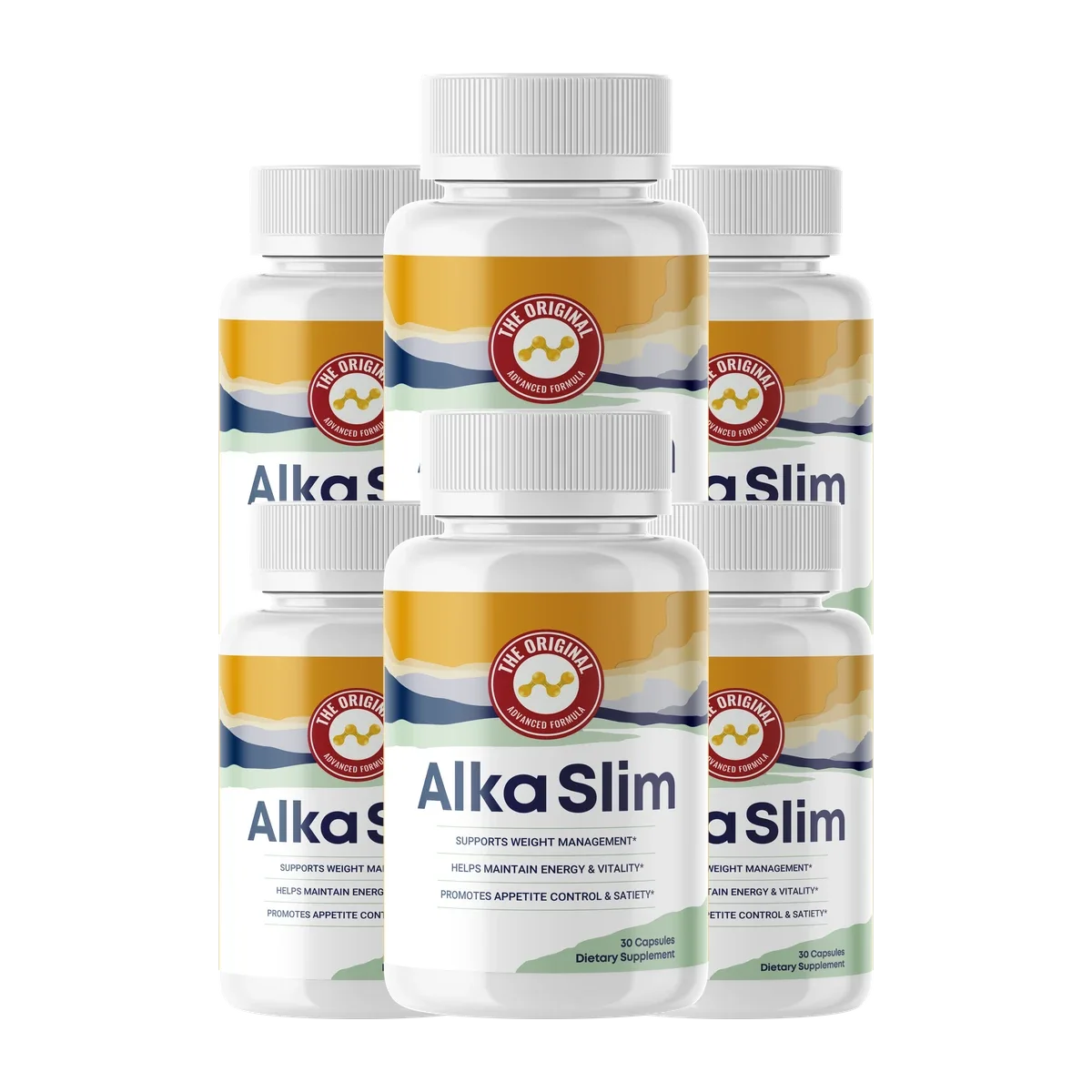
If a gentle, fibre-led supplement fits your goal better than a slogan, start with the label: named actives and a 60-day window that begins the day you buy. See what you are actually getting, then decide.
Go to the Official AlkaSlim Store