Natural Ozempic Alternatives That Work: An Evidence-Ranked Guide
Quick Answer: What Are the Best Natural Ozempic Alternatives?
The natural Ozempic alternatives with the most evidence are berberine, viscous soluble fibre such as glucomannan, green tea EGCG and chromium. They offer modest single-digit-pound support by nudging appetite, fullness or blood sugar, and only alongside a reduced-calorie diet. None matches a prescription GLP-1 drug, so treat them as complementary help, not a swap.
- Most evidence: berberine and viscous fibre lead; green tea EGCG and chromium are smaller effects.
- Realistic scale: single-digit pounds over months, not the 10–15 kg of a GLP-1 drug.
- Golden rule: they support a diet, they do not replace one or a prescribed medicine.
If you are hunting for natural Ozempic alternatives, there is a good chance a price tag sent you here. Prescription GLP-1 injections deliver impressive results, but the monthly costs frequently reported for them run from a few hundred dollars into four figures, and insurance coverage is patchy. For a lot of people that simply is not an option, and the search for a supplement route is entirely rational. The problem is that the internet answers that search with a flood of products promising the injections' results in a capsule, and almost none of them can deliver that. This guide separates the genuinely evidence-backed options from the noise, ranks them honestly, and tells you what results are actually realistic.
We will do three things. First, set the expectation correctly, because the whole category collapses into disappointment when it is oversold. Second, rank the ingredients that have real human data behind them. Third, show you how to combine them sensibly and where a fibre-led daily supplement like AlkaSlim fits into that plan.
Why people search for natural Ozempic alternatives
The demand is driven by three forces at once, and it helps to name them because they shape what a good alternative needs to do. The first is cost: GLP-1 drugs are expensive and often not covered, so a supplement priced at a fraction of that is attractive even if it is weaker. The second is access: shortages, prescribing hurdles and eligibility rules leave many people unable to get the drugs at all, whatever their willingness to pay. The third is tolerance: some people cannot stomach the nausea and other side effects, or simply prefer not to inject a medicine for a goal they consider manageable.
All three reasons point to the same realistic destination: not a drug-equal miracle, but a low-cost, over-the-counter, gentler tool that helps with appetite and eating. Keep that destination in mind, because it is the yardstick every product below should be measured against. An alternative does not have to match Ozempic to be worth buying; it has to help enough, at a price and risk level that make sense for your goal.
What natural Ozempic alternatives can and can't do
Let us be blunt about the ceiling. No supplement reproduces the mechanism of a GLP-1 drug, which floods the body's appetite-signalling receptors far beyond anything food or a plant extract achieves. That is why prescription trials average roughly ten to fifteen kilograms of loss while the best supplements report single-digit-pound support over a few months. Any product marketed as a “natural Ozempic” that promises injection-level numbers is selling you a story, and you should close that tab.
What the good options can do is real and worth having. They can blunt appetite, extend fullness after a meal, soften the blood-sugar spikes that drive snacking, and make a modest calorie deficit easier to sustain. That is meaningful help for someone with a milder goal, and it comes without a prescription. The honest framing throughout is that these are complementary to diet, not a substitute for one, and certainly not a substitute for a medicine your clinician has recommended. If you want the head-to-head on the single most-hyped option, our detailed berberine vs Ozempic comparison lays out the numbers.
The evidence-ranked natural Ozempic alternatives
Here is the ranking that matters: sorted by weight of human evidence for the outcomes buyers actually care about, not by how exotic the ingredient sounds or how loud its marketing is.
1. Berberine — the most evidence-backed option
Berberine is the compound that earned the “nature's Ozempic” nickname, and while that name oversells it, berberine genuinely has the strongest human data of the popular alternatives. It activates the AMPK enzyme, a kind of metabolic master switch, improving insulin sensitivity and blood-sugar control, with associated modest weight loss in the region of one to three percent of body weight over about twelve weeks when paired with diet. It is poorly absorbed, so the daily dose is usually split across meals, and it can cause digestive upset. It is the option to start with if blood-sugar-minded metabolic support is your angle.
2. Viscous soluble fibre (glucomannan) — the fullness workhorse
Konjac glucomannan and similar viscous fibres are the most reliable appetite tool in the category, and their mechanism is refreshingly non-mysterious. Stirred into water and swallowed before a meal, the fibre swells into a thick gel that occupies stomach volume, slows gastric emptying and stretches the sensation of fullness, so you eat a sensible amount and feel satisfied sooner. The human evidence for glucomannan supporting modest weight loss alongside a reduced-calorie diet is among the better-established in the supplement world. The catch is dose: it needs gram-level quantities and plenty of water to gel enough to matter.
3. Green tea EGCG — a smaller, real effect
The catechin EGCG, concentrated in green tea extract and often paired with its natural caffeine, has a modest thermogenic and fat-oxidation effect in the research. The results are smaller and more variable than berberine or fibre, and high-dose isolated green tea extract carries rare liver-safety cautions that make sensible dosing important. As a supporting player rather than a headliner, it earns its place; as a standalone “fat burner,” it is overhyped.
4. Chromium — the craving-focused role player
Chromium, usually as chromium picolinate, is best understood as a niche tool for carbohydrate cravings rather than a weight-loss driver. Its effect on total weight in trials is small and inconsistent, but some people report steadier energy and fewer sugar cravings, which can indirectly support a diet. Treat it as a minor role player, not a reason to buy on its own.
Want the fullness route in one daily supplement?
If viscous fibre is the alternative that fits your goal, AlkaSlim is a fibre-led daily formula built around exactly that appetite-and-fullness mechanism. Read the panel and the 60-day terms, then decide whether it fits your plan.
See the Official AlkaSlim Store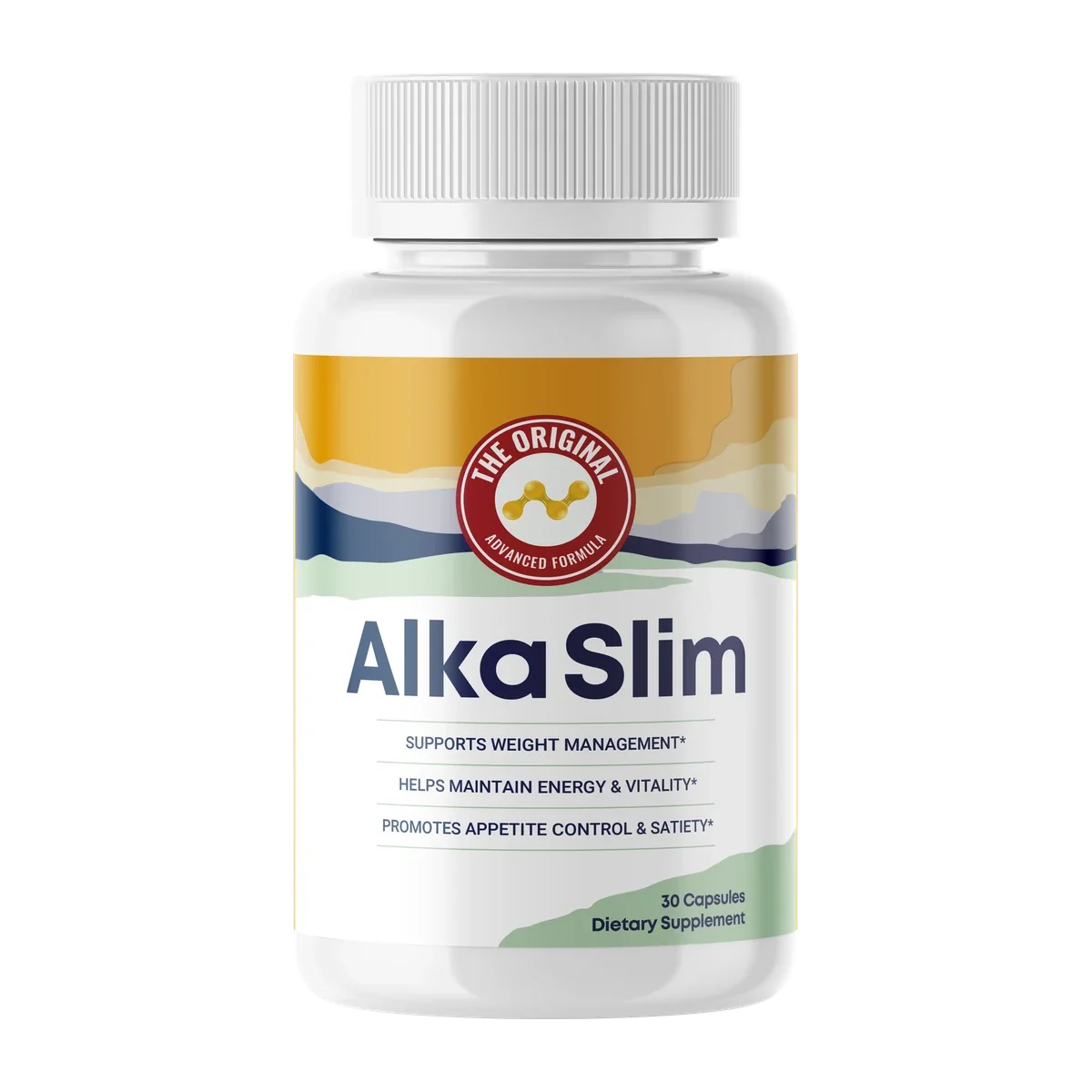
Objection: “Aren't these just cheaper knock-offs that do nothing?”
Half true, and the half that is true is important. The category is genuinely full of underdosed, over-marketed products that borrow a trendy ingredient name, include a token amount of it, and coast on the hype. If you buy blindly, the odds of ending up with one of those are high, and the cynicism behind this objection is earned. But “the category is full of junk” is not the same as “nothing in the category works.” The evidence-backed ingredients above have real, if modest, human data; the trick is buying a product that actually contains them at a sensible dose rather than a sprinkle.
That is why the buying discipline matters more than the shopping list. Favour products that are honest about their ingredients, be wary of proprietary blends that hide the per-ingredient amounts, and treat a money-back guarantee as your safety net for testing whether a formula is dosed to work. A knock-off separates you from your money with nothing to show; a well-chosen, properly dosed supplement gives you a modest but real assist. The difference is in the diligence, not the category.
The question is never “do natural alternatives work,” it is “is this specific product dosed to do what its ingredient can do.” Answer that, and the rest follows.
Objection: “If they're natural, they must be totally safe”
Natural is a marketing word, not a safety guarantee, and this assumption trips people up. Berberine interacts with a meaningful list of medications, including some for blood sugar and blood pressure, and can cause cramping or diarrhoea. Viscous fibre must be taken with ample water and built up gradually, and anyone with swallowing difficulty or a history of gastrointestinal narrowing should avoid gel-forming fibre without medical advice. High-dose green tea extract has rare but documented liver-safety reports. Stimulant-heavy “alternatives” can raise heart rate and blood pressure.
None of that makes these products dangerous for most healthy adults; it makes them things to start thoughtfully rather than casually. The single best habit is to run any new supplement past a pharmacist or doctor before you start, especially if you take medication, are pregnant or nursing, or have a health condition. Safety in this category is about fit and honest expectations, not about which product has the most reassuring word on the front.
How AlkaSlim fits the natural alternatives category
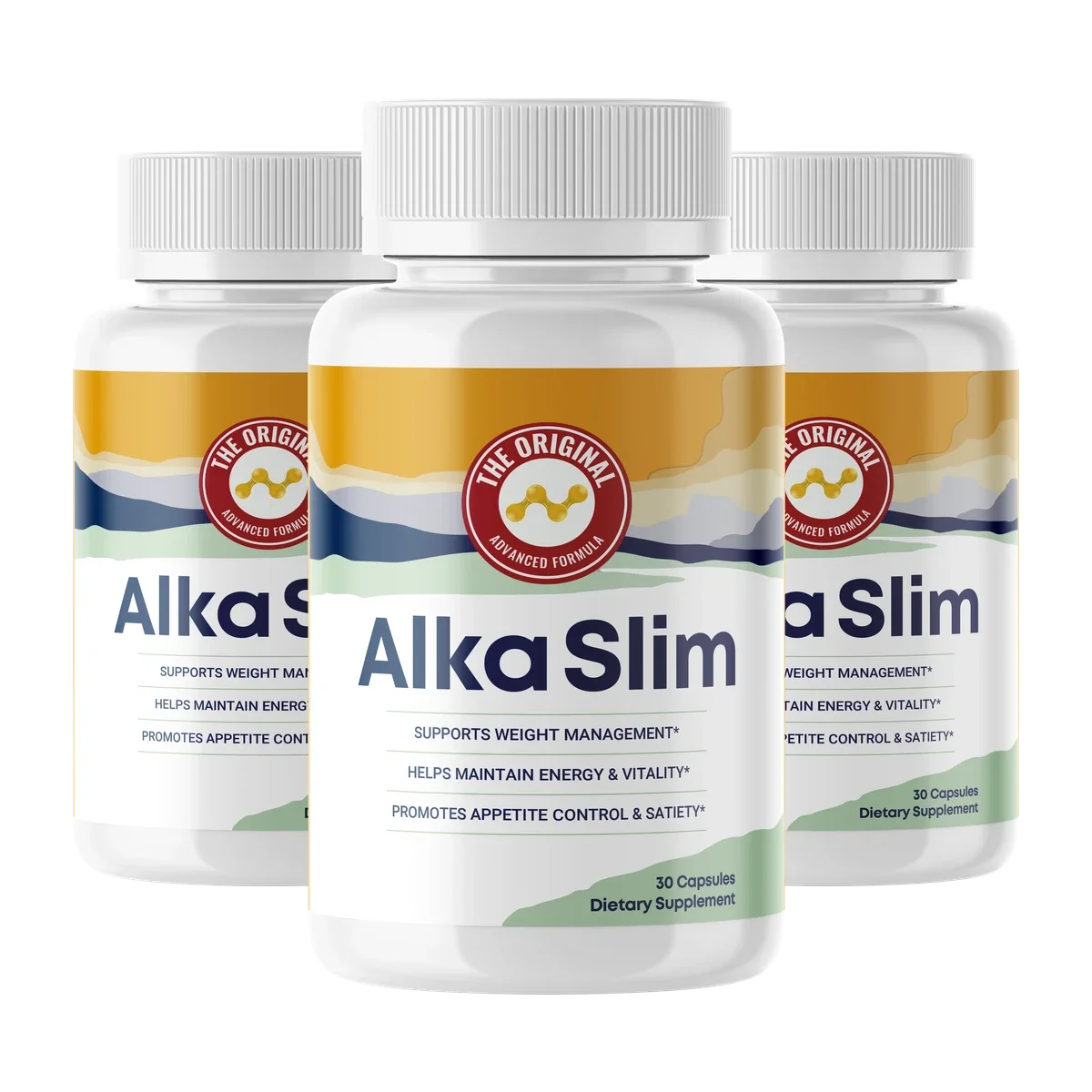
Being precise about AlkaSlim matters, because we are not going to overclaim it. AlkaSlim is a fibre-led daily supplement whose named actives are baobab fibre, L-arabinose, spermidine and konjac glucomannan. In other words, it lives squarely in the viscous-fibre lane, the second-ranked and most reliable appetite tool in this whole guide. Its route to helping is the fullness route: gel-forming fibre before meals to slow gastric emptying and make a sensible portion feel like enough. That is a plausible, well-studied mechanism, and it is exactly the kind of gentle daily support this category is built to provide.
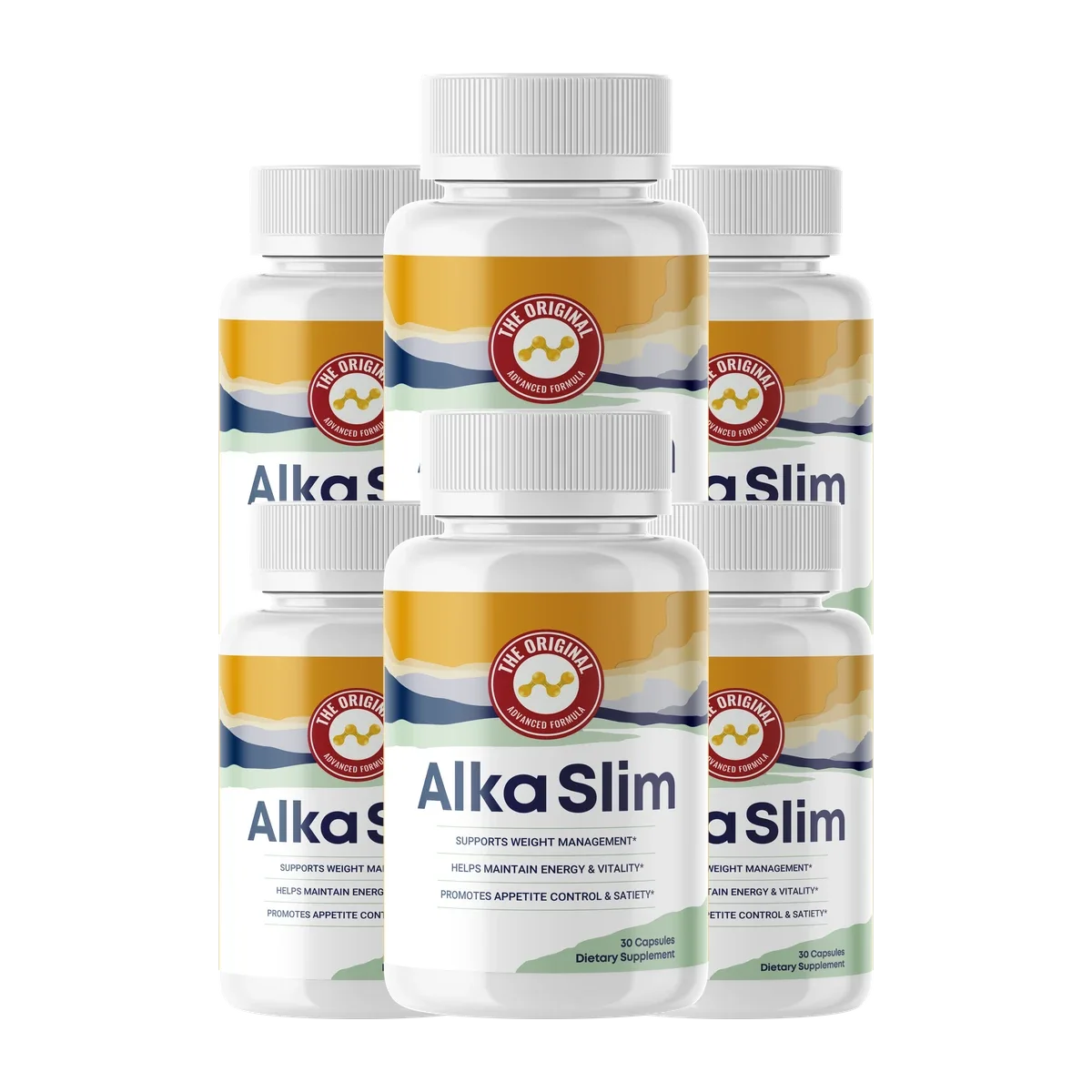
What it is not is a berberine pill or a GLP-1 substitute, and its ingredients sit inside a proprietary blend, which means the per-ingredient doses are not disclosed on the panel. That is a real caveat we always flag: you cannot confirm from the label alone that any single active hits its research dose. The sensible way to handle that uncertainty is to treat the purchase as a bounded experiment using the 60-day guarantee, which is the same discipline we recommend for berberine or any other alternative. If you want to see how the tiers and terms line up before you test it, our guide to where to buy AlkaSlim and how the pricing tiers work covers it.
| Alternative | How it helps | Evidence strength | Best role |
|---|---|---|---|
| Berberine | Activates AMPK; improves blood-sugar control | Strongest of the popular options | Metabolic, blood-sugar-minded support |
| Viscous fibre (glucomannan) | Gels to slow gastric emptying and boost fullness | Well established for modest support | Appetite and portion control |
| Green tea EGCG | Modest thermogenesis and fat oxidation | Smaller, more variable | Supporting player |
| Chromium | May steady carbohydrate cravings | Small and inconsistent | Minor role player |
| Prescription GLP-1 | Mimics gut hormone; strong appetite suppression | Large average loss in trials | Larger goals or weight affecting health |
How to build a natural alternative plan that works
Start with the foundation the supplements are meant to support, because without it none of them do much: a modest, sustainable calorie deficit, adequate protein, and enough daily movement to matter. That is the engine. The supplements are assistance for the engine, not a replacement for it, and a person who gets the foundation right and adds a well-chosen fibre or berberine product will do far better than a person who buys four bottles and changes nothing else.
From there, choose by goal rather than by hype. If appetite and portion control are your struggle, a viscous-fibre product is the most reliable pick. If blood-sugar swings and cravings drive your eating, berberine is the better-evidenced starting point. Add a supporting ingredient only if it targets a real problem you have, not because it appears in an influencer's list. Then, whatever you choose, buy an honest product, take it correctly and consistently, and use the guarantee window to judge it on your own results. For the fuller picture of how any of these compares with the medical route, see our breakdown of how supplements compare with prescription weight-loss pills.
Related reading
Frequently asked questions
What is the best natural alternative to Ozempic?
There is no single winner, but berberine has the most human evidence of the popular options, followed by viscous soluble fibre such as glucomannan for appetite and fullness. Green tea EGCG and chromium have smaller, more variable effects. The best choice depends on your goal, and every one of them works best paired with a reduced-calorie diet rather than on its own.
Do natural GLP-1 supplements actually work?
Yes, modestly. The best-studied natural options can support single-digit-pound weight loss over a few months when combined with dietary change, mainly by nudging appetite, fullness or the blood-sugar response. What they do not do is reproduce the 10 to 15 kilograms of average loss seen with prescription GLP-1 drugs. Expect helpful support, not a medication-level result.
Are natural Ozempic alternatives safe?
They are generally well tolerated in healthy adults, but natural does not mean risk-free. Berberine can cause digestive upset and interacts with several medications; viscous fibre must be taken with plenty of water; and stimulants sometimes sold as alternatives can raise heart rate. Check with a pharmacist or doctor before starting, especially if you take medication or have a health condition.
How does AlkaSlim compare to prescription GLP-1 drugs?
AlkaSlim is a fibre-led daily supplement that supports appetite and fullness, while a GLP-1 drug is a clinician-prescribed medicine that suppresses hunger far more strongly. On average loss the prescription route wins clearly. AlkaSlim suits milder goals and daily consistency, works alongside a reduced-calorie diet, and is an over-the-counter option, not a substitute for a prescribed medicine.
Scientific references
- Overall and Sex-Specific Effect of Berberine on Glycemic and Insulin-Related Traits: a Systematic Review and Meta-Analysis of Randomized Controlled Trials (J Nutr, 2023)
- The efficacy of glucomannan supplementation in overweight and obesity: a systematic review and meta-analysis of randomized clinical trials (J Am Coll Nutr, 2014)
- The effects of green tea on weight loss and weight maintenance: a meta-analysis (Int J Obes (Lond), 2009)
- NIH Office of Dietary Supplements — Chromium fact sheet
- U.S. Food and Drug Administration — prescription weight-loss drug information
Test a fibre-led alternative the honest way
If the viscous-fibre route fits your goal, start with the label: named actives and a 60-day window that begins the day you buy. See what you are getting, run your own trial, and judge it on your results.
Go to the Official AlkaSlim Store