Green Tea Extract Weight Loss: EGCG and Fat Burning Explained
Quick Answer: Does Green Tea Extract Actually Burn Fat?
Green tea extract has a small effect, driven by its catechin EGCG, which nudges up fat oxidation and thermogenesis, particularly with caffeine and exercise. Effective daily EGCG is roughly 300 to 800 milligrams, and controlled trials show only two to three pounds of extra loss over 12 weeks. Above about 800 milligrams a day, liver-safety risk outweighs the benefit.
- The mechanism: a modest lift in fat oxidation and calorie burn, not a fat-melting switch.
- The dose: 300 to 800 milligrams of EGCG a day, ideally with caffeine and activity.
- The ceiling: above roughly 800 to 1,000 milligrams a day, liver-safety risk rises without clear extra benefit.
Green tea is the rare weight-loss ingredient that started as an ordinary drink and got promoted into a pill. That history is worth holding onto, because it explains both the appeal and the confusion. When people talk about green tea extract for weight loss, they are really talking about one molecule concentrated far beyond anything a cup of tea delivers: epigallocatechin gallate, mercifully shortened to EGCG. Understanding what EGCG does, how much you actually need, and where the safety line sits is the difference between a sensible, modest tool and an overhyped, occasionally risky one.
So let us front-load the honest verdict before the marketing gets a word in. EGCG does something. It is not nothing, and it is not a miracle. The effect is real enough to measure in a metabolic ward and small enough that you will not notice it week to week without a scale and a food diary. The interesting questions are all about the details: the dose that works, the ceiling that keeps you safe, and whether a thermogenic ingredient is even the right lever for the kind of weight problem you are trying to solve.
What EGCG is and how green tea extract works
Green tea leaves are rich in a family of plant compounds called catechins, and EGCG is the most abundant and most biologically active of them. A green tea extract is simply the leaf's catechins concentrated into a powder, usually standardised to a stated percentage of EGCG so that a capsule can deliver in one dose what would take several cups of tea to match. That concentration is the whole point of the format and, as we will see, also the whole source of its risk.
The proposed mechanism has two parts, and both are physiological rather than mystical. The first is fat oxidation: EGCG appears to help the body draw on fat as fuel, partly by slowing the breakdown of noradrenaline, a signalling molecule that mobilises stored fat. The second is thermogenesis, a small increase in the number of calories you burn at rest and during activity. Neither effect is dramatic. Both are amplified by caffeine, which is why so many trials and so many products pair EGCG with it, and both are amplified by physical activity, because a metabolism that is already mobilising fat has more to work with.
Notice what is absent from that description. There is no appetite mechanism worth speaking of, no blocking of fat absorption, and no selective action on any one part of the body. Green tea extract is, at heart, a mild metabolic nudge. It leans on the deficit you are already creating with food and movement; it does not create one for you. This is the single most important thing to understand before you buy a bottle, because most disappointment with the ingredient comes from expecting it to do a job it was never capable of doing.
How much EGCG per day, and the numbers behind the claim
The dose question has a reasonably clear answer. Across the trials that found a measurable effect, daily EGCG intakes clustered in the range of roughly 300 to 800 milligrams, frequently split into two or three doses and frequently taken with a modest amount of caffeine. Below about 300 milligrams the signal gets hard to separate from noise. That range is what a serious product is aiming at when it standardises its extract, and it is the number you should be doing arithmetic with rather than the total weight of the extract on the front label.
That arithmetic matters, because a label boasting "500 mg green tea extract" tells you almost nothing on its own. If that extract is standardised to 50 percent EGCG, you are getting 250 milligrams of the active catechin; if it is 45 percent, less again. The number that determines whether a product can reach the studied range is the EGCG content, not the extract weight, and a product that names only the latter is hoping you will not notice the difference. It is the same disclosure problem we walk through for other actives in our guide to reading a supplement label in berberine sources, absorption and dosing: the number beside the name is the whole story.
As for the payoff, honesty requires small numbers. The better-controlled studies, run over about 12 weeks, reported on the order of two to three pounds of additional weight loss compared with placebo, on top of whatever diet and exercise the participants were doing. That is a genuine, replicable finding and it is also a modest one. Spread across three months, it is the kind of edge that helps at the margins rather than the kind you can see in the mirror. Set your expectations there and green tea extract can be a reasonable small tool; set them higher and it will let you down.
EGCG does not create a calorie deficit — it leans on one you have already built with food and movement. As a nudge on top of a real plan it is plausible; as a substitute for the plan it is nothing.
Prefer to work on appetite, not thermogenics?
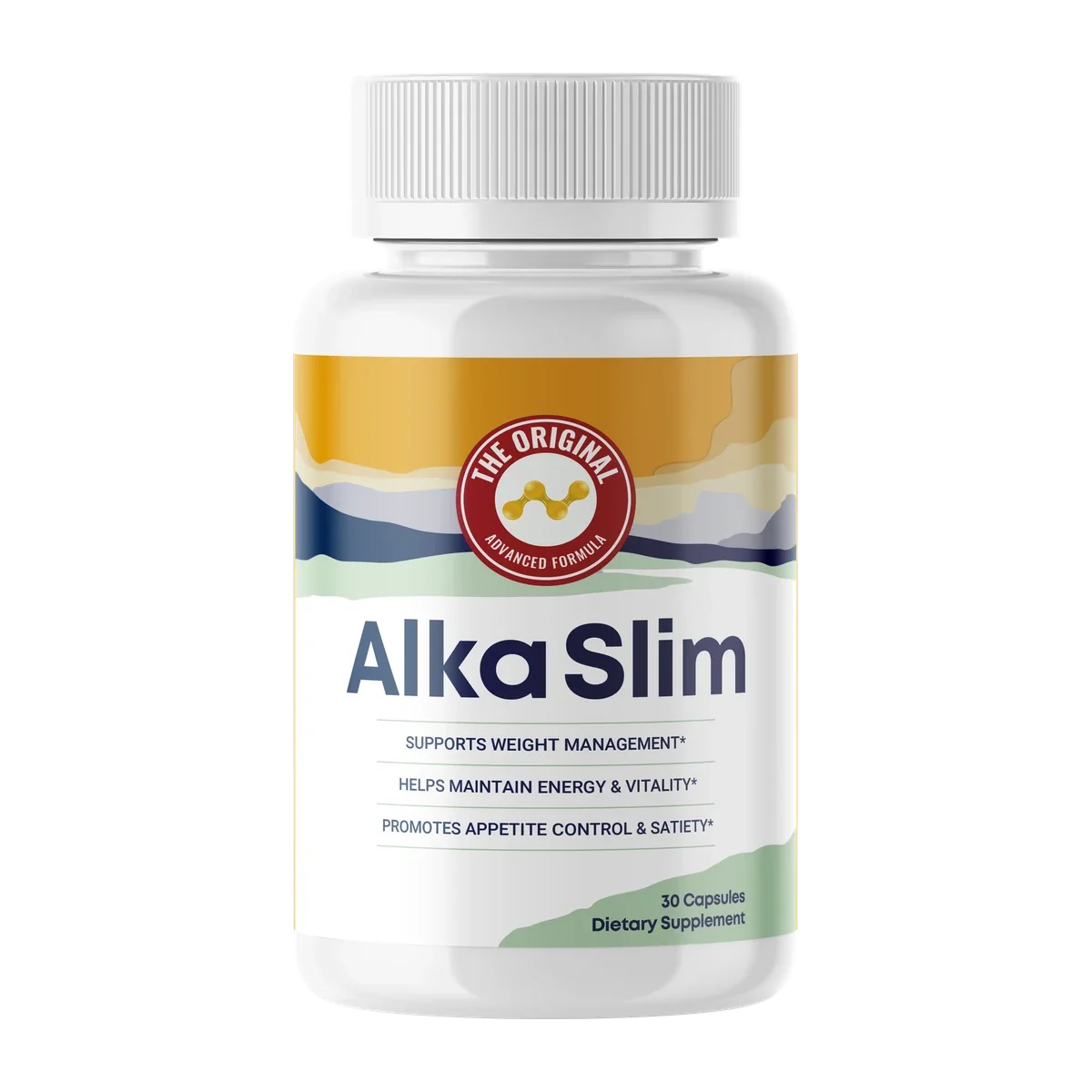
Green tea extract nudges calorie burn. AlkaSlim takes the other route entirely — a viscous konjac-glucomannan fibre aimed at fullness before meals. If appetite is where your plan tends to break, start at the label.
See the Official AlkaSlim StoreIs green tea extract safe for the liver?
This is where the drink and the pill part company completely, and it deserves plain language. Drinking green tea is one of the safest things you can do; populations have done it for centuries. Concentrated green tea extract is a different proposition. Regulatory and safety reviews, including work by the European Food Safety Authority, have flagged a small but real risk of liver injury linked to high-dose EGCG supplements, with the concern rising as the daily dose climbs above roughly 800 milligrams and rising further when the extract is taken on an empty stomach.
The mechanism is not fully pinned down, but the risk is rare and idiosyncratic, meaning it strikes some people at doses that most tolerate fine. That unpredictability is exactly why the sensible precautions are worth taking every time rather than only when you feel unwell. Keep the daily EGCG at or below roughly 800 milligrams. Take it with food, not fasted, which appears to blunt the peak blood levels that concentrate the risk. And treat the warning signs seriously: unusual fatigue, nausea, abdominal pain, dark urine or any yellowing of the skin or eyes are reasons to stop immediately and see a doctor.
Two groups should simply steer clear without medical guidance. Anyone with existing liver problems has no business self-experimenting with a high-dose extract, and anyone already taking medication that is processed by the liver should raise it with a pharmacist first. This is not scaremongering; it is the difference between a well-understood minor tool and an avoidable trip to hospital. The ingredient is fine inside its lane, and the whole job of an honest guide is to draw that lane clearly.
Green tea extract myths, answered plainly
Myth one: it burns belly fat specifically. No ingredient does. The abdominal fat that some studies report losing is the ordinary consequence of a slightly larger overall deficit, distributed by your genetics, not steered to the waist by a capsule. Spot reduction is a myth whether the tool is a crunch or a catechin.
Myth two: more EGCG means faster fat loss. The dose-response curve flattens well before the point where the liver-safety concern takes off. Pushing past roughly 800 milligrams a day buys you more risk, not more results. This is one of the clearest cases in the whole supplement world where "more is better" is not just wrong but actively unsafe.
Myth three: the extract works like the tea. It works like a concentrated dose of one compound from the tea, which is precisely why it carries a risk the drink does not. If your goal is the gentle, well-tolerated end of the spectrum, brewed green tea gives you the catechins and the caffeine without the high peak blood levels that create the concern. The pill is for reaching a studied dose deliberately, with the caution that dose demands.
Green tea extract versus a fibre approach like AlkaSlim
It helps to see thermogenics and appetite tools as two different answers to two different questions, because people who fail with one often needed the other. Green tea extract attacks the "burn" side of the energy equation with a small metabolic nudge. A viscous-fibre formula attacks the "intake" side by making meals feel more filling. If your deficit keeps collapsing because you are genuinely hungry, a thermogenic does nothing for the cause, and you are reaching for the wrong lever.
This is where it is worth being clear about what AlkaSlim is, since this article sits on a site about it. AlkaSlim is not a green tea product and contains no EGCG; its formula is led by konjac glucomannan, with baobab fibre, L-arabinose and spermidine alongside. Its bet is appetite, not thermogenesis. That makes it a poor substitute if what you specifically want is a metabolism nudge, and a more relevant tool if hunger between meals is the thing derailing you. You can see the full panel, doses undisclosed and all, in our breakdown of what the AlkaSlim label actually shows, and there is nothing dishonest about saying the two approaches simply do different jobs.
The comparison below sets out how the common thermogenic and appetite ingredients differ, so you can match the lever to the problem rather than buying whichever one has the loudest marketing this month.
| Ingredient | Primary mechanism | Amount used in research | Strength of evidence | Main caution |
|---|---|---|---|---|
| Green tea extract (EGCG) | Fat oxidation and thermogenesis | About 300–800 mg EGCG a day | Modest; ~2–3 lb over 12 weeks | Liver-safety risk above ~800–1,000 mg a day |
| Caffeine | Alertness and small calorie-burn lift | Often paired at 100–200 mg | Small, tolerance builds quickly | Sleep disruption, jitteriness, dependence |
| Konjac glucomannan | Viscous fibre, pre-meal fullness | About 3 g a day in split doses | An EU appetite claim exists | Take with water; separate from medicines |
| Chromium | Marketed for carb cravings | 200–1,000 mcg a day | Weak and inconsistent | Generally low; benefit is the doubt |
| Berberine | Glucose and lipid metabolism | Split gram-scale daily doses | Reasonable for metabolic markers | Interacts with many medications |
How to use green tea extract sensibly, if you use it at all
If you decide green tea extract fits your plan, use it the way the evidence suggests rather than the way the label shouts. Choose a product that states its EGCG content, not just the extract weight, and aim to land inside the 300 to 800 milligram range across the day. Take it with food rather than on an empty stomach, both to soften any digestive upset and to reduce the peak blood levels tied to the liver concern. If the product includes caffeine, count that toward your daily total from coffee and tea so you do not overshoot and wreck your sleep.
Then anchor it to the things that actually move the needle. Green tea extract works with a calorie deficit and physical activity; without them it is an expensive way to do nothing. Give it a fair trial of around 12 weeks alongside real diet and training, track weight and measurements rather than judging by feel, and be honest at the end about whether the small edge showed up. For a fuller framework on setting these expectations across any weight supplement, our piece on how long weight loss supplements take to work lays out realistic timelines.
And keep the whole thing in proportion. A modest thermogenic sitting on top of a solid plan is a reasonable, if optional, addition. A modest thermogenic standing in for a plan is the definition of wasted money. The ingredient earns its keep only in the company of the boring fundamentals, which is true of every supplement in the category and truest of the ones that promise the most.
What green tea extract cannot do
It cannot treat, cure, prevent or reverse any disease, and no dietary supplement may lawfully be presented as though it can. Supporting fat metabolism as part of a diet-and-exercise plan is a narrower and more honest statement than the fat-burner marketing implies.
It cannot create a calorie deficit. Every study that reported weight change also involved dietary restriction or activity; EGCG nudged the maths, it did not rewrite it. Treating the capsule as the active ingredient in a weight plan gets the order backwards.
It cannot target belly fat, or any other single depot, because human physiology does not work that way. And it cannot be made safer by taking more of it — the one lever that increases the effect is the same lever that increases the liver risk, which is why the ceiling matters as much as the dose.
Frequently asked questions
Does green tea extract burn belly fat?
Not selectively. Green tea extract can modestly raise fat oxidation and daily energy expenditure, especially alongside caffeine and physical activity, but the body does not choose where that fat comes from. You cannot target belly fat with a capsule any more than with a sit-up. The abdominal fat some studies report losing is simply the normal result of a slightly larger calorie deficit, not a special action of EGCG on the waistline. Diet and training set the deficit; green tea extract may nudge it.
How much EGCG per day for weight loss?
Most trials that saw an effect used roughly 300 to 800 milligrams of EGCG per day, usually split across doses and often paired with caffeine. Below about 300 milligrams the effect is hard to detect; above roughly 800 milligrams the extra benefit is unclear while the liver-safety concern grows. A sensible reading is to stay within the 300 to 800 milligram range, prefer taking it with food, and treat higher doses as more risk than reward.
Is green tea extract safe for the liver?
Drinking green tea is very safe; concentrated extract is where rare liver injury has been reported, almost always at high doses and more often on an empty stomach. Regulatory reviews have flagged a small but real risk of liver toxicity from high-dose EGCG supplements. Keeping the daily dose at or below roughly 800 milligrams, taking it with food rather than fasted, and stopping at any sign of nausea, dark urine or yellowing skin are the main precautions. Anyone with liver problems should avoid it without medical advice.
How long until green tea extract shows results?
Any weight effect is small and slow. The better controlled studies ran for around 12 weeks and reported on the order of two to three pounds of additional loss over that period, on top of diet and exercise. If green tea extract is doing anything for you, it shows up as a marginally easier deficit over months, not a visible change in days. Judge it over a full 12-week block alongside your diet, not by the bathroom scale after a week.
Related reading
Scientific references
- The effects of green tea on weight loss and weight maintenance: a meta-analysis (Int J Obes (Lond), 2009)
- Physiological effects of epigallocatechin-3-gallate (EGCG) on energy expenditure for prospective fat oxidation in humans: A systematic review and meta-analysis (J Nutr Biochem, 2017)
- LiverTox, National Library of Medicine — Green Tea and hepatotoxicity
- NIH Office of Dietary Supplements — dietary supplement fact sheets
- European Food Safety Authority — scientific opinion on the safety of green tea catechins
Match the lever to the problem
If hunger is what breaks your deficit, a thermogenic will not fix it. AlkaSlim bets on appetite with konjac-glucomannan fibre — four named actives, undisclosed doses, and a 60-day window that starts the day you pay. Read the label first.
Go to the Official AlkaSlim Store