How Long Weight Loss Supplements Work: A Realistic Timeline for Results
Quick Answer: How long until weight loss supplements work?
How long weight loss supplements work depends on which effect you mean. Appetite effects from viscous fibre can appear within 30 to 60 minutes of a dose, but a real change on the scale usually takes 8 to 12 weeks of a maintained calorie deficit. Judge a formula like AlkaSlim over the full 60-day cycle.
- Fast clock: fibre satiety in 30-60 minutes, felt at the next meal.
- Slow clock: visible fat loss over 8-12 weeks of a real deficit.
- Fair test: run a full 60-day cycle before you decide.
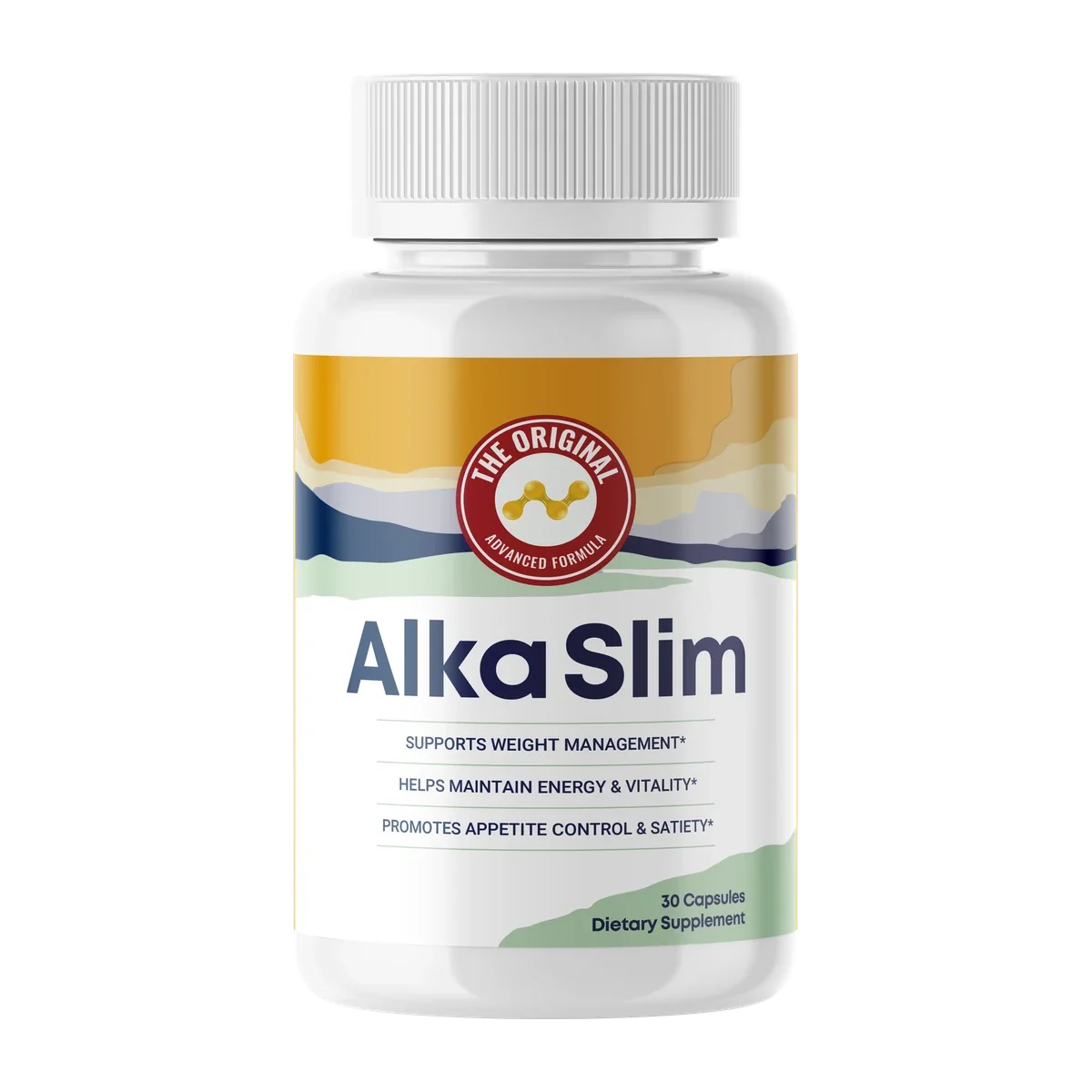
The question of how long weight loss supplements work is the one that quietly decides whether you keep going or quit at exactly the wrong moment. Almost everyone who abandons a supplement does it early, in the first week or two, on the strength of a scale that has not moved yet, when the mechanism they bought has barely had a chance to start. The trouble is that the honest answer is not a single number. Some effects are genuinely fast, felt within an hour of your first dose, while the effect most people actually care about, the number on the scale, is genuinely slow, unfolding across weeks and months. Confuse the two clocks and you will be disappointed on schedule.
This guide separates those two timelines so you can set expectations you can actually keep. We will look at what happens fast, what happens slowly, what the research on common ingredients suggests for a realistic timeframe, and why the scale lags behind the biology. We will also be blunt about the real levers, because a timeline is meaningless without them. None of this is medical advice or a promise of a specific result; it is a practical map of when a fibre-led appetite aid like AlkaSlim tends to show its hand, and how to give it a fair trial before you reach a verdict.
How long weight loss supplements work: the two clocks
Start with the distinction that fixes most disappointment. A viscous-fibre appetite aid runs on two clocks at once. The fast clock is satiety. When you take soluble fibre with water 15 to 60 minutes before a meal, it begins drawing in fluid and thickening in the stomach, and within roughly 30 to 60 minutes you can feel the difference: hunger softens, and the meal in front of you feels like enough sooner than usual. That is a real, same-day effect, and it is the one that gives new users their first sign that something is happening.
The slow clock is body composition. Feeling fuller at a meal only matters for weight if it translates into eating less over days and weeks, which then produces a calorie deficit, which then, gradually, shows up as lost fat. Every one of those steps takes time, and the last one is the slowest of all. This is why the scale can sit flat for a fortnight while the routine is quietly working at the dinner table. The fast clock tells you the tool is functioning; only the slow clock tells you the result is arriving. Judging a slow-clock outcome on a fast-clock timescale is the single most common mistake in the whole category.
What the ingredient research suggests about timing
Realistic timelines are easier to hold when they are anchored to what studies of common ingredients actually report, rather than to marketing hope. Glucomannan, one of the most-studied viscous soluble fibres, tends to show modest weight changes in the region of a few pounds over roughly an eight-week window when it is paired with a sensible diet, on the order of three to five pounds in supportive trials. That is not dramatic, but it is honest, and it is measured in weeks, not days. It also explains why a two-week check-in tells you almost nothing.
Green tea catechins, especially EGCG, are studied for a small metabolic and fat-oxidation nudge rather than a fast appetite effect, and the reported changes are similarly modest and slow, often something like two to three pounds across a twelve-week window in trials where diet is controlled. The pattern across both is the same story from two directions: the effect sizes are small, and the timeframes are long. If you understand going in that the research itself is denominated in eight-to-twelve-week windows, you stop expecting a supplement to do in ten days what the science measures over three months. For the mechanism behind the fibre side of that story, our explainer on how viscous soluble fibre supports satiety and fullness lays out the biology in plain terms.
Start the clock the right way
A fair timeline needs a full supply behind it. Check the current AlkaSlim options and the 60-day guarantee window, then set your start date and let both clocks run.
See the Official AlkaSlim StoreWhy the scale lags behind the mechanism
Even when a supplement is doing exactly what it should, the scale is a noisy, misleading instrument in the short term, and understanding why keeps you from quitting on a bad reading. Day-to-day body weight is dominated by things that have nothing to do with fat: water retention, the glycogen stored with that water, sodium from yesterday's meals, the timing of your last bathroom visit, and where you are in a normal cycle. Those swings can easily be a few pounds up or down in either direction, which is more than the weekly fat loss a modest deficit produces. In other words, the daily noise is bigger than the weekly signal.
That mismatch is why the scale can climb the morning after a salty dinner even in a week you genuinely lost fat, and why staring at it daily is a recipe for false despair. Fat loss is real but quiet; it accumulates underneath the noise and only becomes visible when you zoom out to weekly averages across several weeks. This is the mechanical reason the eight-to-twelve-week timeline exists: it is not that the supplement suddenly switches on at week eight, it is that eight weeks is roughly how long it takes for the slow signal to rise clearly above the fast noise. Weigh weekly under the same conditions, compare trends rather than single days, and the picture becomes readable.

The real levers: consistency and a calorie deficit
Here is the boundary of the entire category, said plainly, because no timeline is honest without it: a supplement does not create a calorie deficit for you. Fibre can make an existing deficit easier to hold by taking the edge off hunger, and that is a genuinely useful thing, but it cannot outrun a surplus. If the underlying eating pattern is not in a modest deficit, the clock never really starts, and no amount of waiting will make the scale move. This is why so many people who say a supplement "did nothing" were, without realising it, not in a deficit at all, so there was nothing for the supplement to amplify.
The second lever is consistency, which quietly decides most outcomes. A dose taken before your two biggest meals every day, with water, for weeks on end, will out-perform a burst of enthusiasm that fizzles by day five. Timelines assume consistency; a haphazard routine effectively resets the clock every time it lapses. Pairing the fibre with adequate protein at meals stacks a second satiety lever on top of the first, making the deficit easier to maintain without white-knuckling it. If you want the mechanics of dosing, timing and the water that makes fibre behave, our guide to taking AlkaSlim correctly for the best results is the companion piece to this one, and it is worth reading before day one rather than after week three.
Objection: "I've taken it for two weeks and nothing has happened"
This is the most common complaint in the category, and it is almost always a timeline problem wearing the costume of a product problem. Two weeks is inside the noise window, not past it. If you are dosing correctly before meals, drinking enough water, and holding a real deficit, two weeks of a flat scale is exactly what a working slow-clock mechanism looks like from the inside. The instinct to quit here is understandable and almost always premature; the people who see modest results are, disproportionately, the ones who did not quit at the two-week mark.
The productive move is to audit the levers rather than abandon the trial. Are you actually in a modest deficit, or only assuming you are? Is each dose landing before the meal, with a full glass or two of water, or drifting to after eating with a sip? Is the routine genuinely daily, or has it lapsed on the busy days? Fix whichever of those is loose, keep weighing weekly rather than daily, and extend the trial to the full window before judging. A second common myth worth naming: a stalled scale is not proof the supplement failed, it is usually proof the trial is either too young or missing a lever. For a broader look at what real buyers report over time, our roundup of AlkaSlim reviews and the common complaints separates timeline frustration from genuine issues.
Related reading
How to run a fair 60-day trial
The neatest thing about the timeline is that the honest test window and the protected purchase window are the same window. A 60-day guarantee lines up almost exactly with the eight-to-twelve-week timeframe the ingredient research is measured over, which means running a fair trial and running a covered trial are the same act. That removes the usual excuse for quitting early: you are not risking money to be patient, because the guarantee is doing the risk-bearing while the clock runs. Decide before you start that you will give it the full cycle, and the week-one wobble loses its power over you.
A fair trial has four moving parts, all inside your control. Take the dose consistently before your two largest meals with generous water. Hold a modest, sustainable calorie deficit with protein at each plate, because that is the lever the supplement amplifies. Weigh weekly under the same conditions and judge the trend, not the daily reading. And commit to the full 60 days before you form a verdict. Run it that way and you get an answer you can actually trust, one built on how the mechanism works rather than on how impatient the first fortnight made you feel. For a step-by-step framework, our walkthrough on using the 60-day guarantee to test a supplement the right way turns this into a checklist you can follow. These statements have not been evaluated by the Food and Drug Administration, and this product is not intended to diagnose, treat, cure or prevent any disease; giving it a fair timeline simply means giving an honest tool an honest chance.

Frequently asked questions
How long does it take for weight loss pills to work?
It depends on what you are measuring. Appetite effects from viscous fibre can show up within the first 30 to 60 minutes of a dose, but a meaningful change on the scale usually takes 8 to 12 weeks of a maintained calorie deficit. Trials of common ingredients report modest results over similar windows, so weeks is the honest unit, not days.
How soon will I see results with AlkaSlim?
Many people notice softer between-meal hunger and smaller portions within the first days of taking AlkaSlim before meals with water. Visible fat loss is slower and shows up over weeks, because it depends on the deficit the appetite support helps you hold, not on the capsule alone. Plan to judge it across the full 60-day guarantee window rather than the first week.
Why am I not losing weight on a supplement yet?
The most common reason is that no calorie deficit is actually in place, so there is nothing for the supplement to amplify. Other causes include too little water with a fibre formula, an inconsistent routine, or simply reading the scale too early while water and glycogen mask fat loss. Fix the deficit and the consistency first, then give it several more weeks.
How long should I give AlkaSlim before deciding?
Give it the full 60-day guarantee window, taken consistently before meals and alongside a modest deficit with adequate protein. That timeframe matches how the mechanism actually works and how the ingredient research is measured, and it also lines up with the guarantee, so a fair trial and a protected trial are the same trial. A verdict reached in week one measures impatience, not the product.
Scientific references
- U.S. Food and Drug Administration — Dietary supplements overview
- NIH Office of Dietary Supplements — Dietary supplement fact sheets
- Harvard T.H. Chan School of Public Health, The Nutrition Source — Fiber
- Mayo Clinic — Weight-loss basics and realistic expectations
- Mayo Clinic — Dietary fiber: Essentials of a high-fiber diet
Give both clocks the time they need
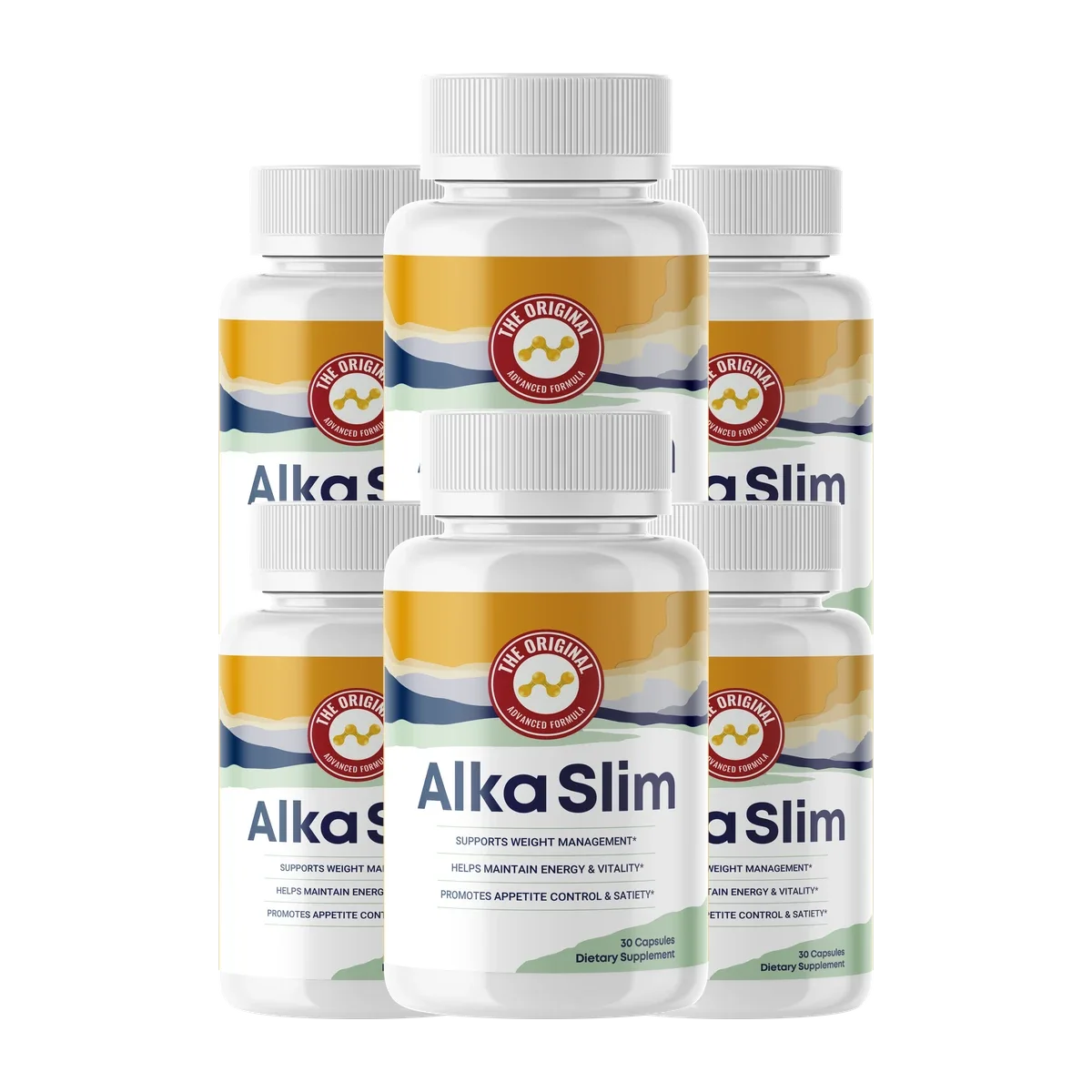
Fast appetite effects arrive first; the scale follows over weeks. Pick a supply that outlasts the 60-day window and give the timeline a fair, patient run.
Go to the Official AlkaSlim Store