Weight Loss Pills That Actually Work in 2026: An Honest Roundup
Quick Answer: Which Weight Loss Pills Actually Work in 2026?
Three categories have genuine evidence. Orlistat (Alli) is the only FDA-approved over-the-counter drug, adding roughly five to ten pounds of loss over six months. Prescription GLP-1 medicines lead on average results but cost more. Supplements help with appetite and cravings. In every case the pill assists a diet rather than replacing it.
- Only FDA-approved OTC drug: orlistat (Alli), about 5–10 lbs over six months with a low-fat diet.
- Strongest average results: prescription GLP-1 medicines, at roughly $149–$1,349 a month.
- Everyday support: appetite and craving supplements like AlkaSlim, paired with consistency and diet.
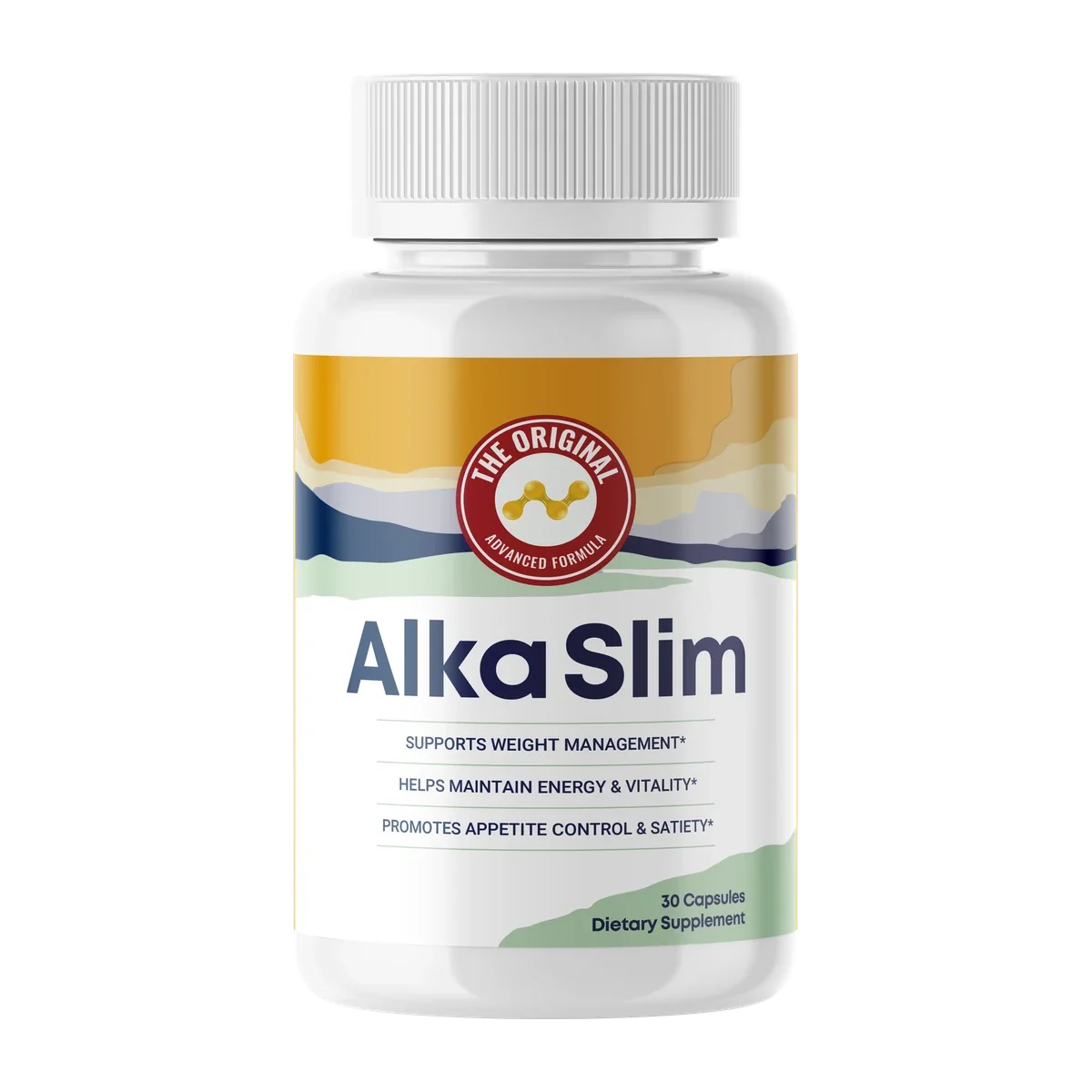
Type “weight loss pills” into any search bar and you get a firehose of confident promises and almost no honesty about what actually moves the needle. The truth is narrower and more useful than the hype: only a handful of weight loss pills that actually work have real evidence behind them, they fall into three clear categories, and none of them are magic. This 2026 roundup separates the over-the-counter drug you can buy today, the prescription medicines that lead on results, and the supplements that support appetite and cravings — then shows where a fibre-based option like AlkaSlim honestly fits. No miracle claims, no invented rankings, just what the science supports.
What “works” actually means for a weight loss pill
Before any roundup is worth reading, we need a definition. A pill “works” when it produces more weight loss than doing the same diet without it, in real trials, with side effects most people can live with. That is a deliberately dull bar, and it eliminates almost everything shouting for your attention. It also reframes the entire question. No pill in any category melts fat on its own. Every option on this page is an assist to a calorie deficit, which means the diet and the consistency you bring are doing the heavy lifting while the pill nudges the odds in your favour.
Keep that in mind as you read, because it is the single idea that protects you from being oversold. When a product promises results “with no diet or exercise,” it is not describing a better mechanism — it is describing a better marketing budget. The weight loss pills that actually work are honest about being a support, not a substitute, and they publish numbers modest enough to be believable.
The three categories of weight loss pills that actually work
Rather than a numbered leaderboard that would be stale by spring, the honest way to map the 2026 field is by category. Each has a different mechanism, a different price, and a different level of evidence, and knowing which is which tells you far more than a star rating a marketer invented.
1. The over-the-counter drug: orlistat (Alli)
Orlistat is the only weight loss drug the FDA has approved for sale without a prescription, sold as Alli over the counter and as Xenical at prescription strength. It is a genuine drug with genuine trials behind it, and it works by blocking the enzyme that digests dietary fat, so roughly a quarter of the fat you eat passes through undigested. In practice that translates to about five to ten pounds of extra loss over six months when it is paired with a reduced-calorie, lower-fat diet. The catch is written into the mechanism: eat a high-fat meal and the gastrointestinal side effects arrive promptly, which is exactly why it only works alongside a genuinely low-fat plate.
2. Prescription GLP-1 medicines
The prescription category, led by the GLP-1 receptor agonists that reshaped weight management, produces the largest average weight loss of anything on this page — results no supplement approaches. They work by mimicking a gut hormone that slows stomach emptying and turns down appetite at the brain. The trade-offs are real: they require a clinician, they carry side effects that need monitoring, there are stopping-and-rebound questions, and the cost runs from roughly $149 a month at the low end to as much as $1,349 a month depending on the drug, dose and coverage. If your goal genuinely requires that magnitude of change and you qualify medically, this is the most effective tier — and no supplement is a substitute for it.
3. Appetite and craving supplements
Supplements are not approved drugs, and the honest ones do not pretend to be. The better-evidenced options in this tier work on hunger and cravings rather than on fat digestion. Viscous soluble fibres such as glucomannan absorb water and form a gel in the stomach, slowing digestion and helping meals sit heavier so you reach for less. AlkaSlim sits here, built around a fibre-led appetite-support approach rather than stimulants. The effect size is smaller than the drug categories and it varies from person to person, but it is real, it is gentle, and it costs a fraction of a prescription. Its job is to make the calorie deficit you are already running easier to stick to.
See where the fibre-first option fits your plan
If appetite and cravings are what derail your diet, a fibre-led satiety supplement is the category worth testing. The official store lists the full AlkaSlim formula and current pricing in one place, backed by a 60-day money-back guarantee.
See the Official AlkaSlim StoreHow the three categories compare at a glance
| Category | How it works | Access & cost | Typical results |
|---|---|---|---|
| Orlistat (Alli) | Blocks ~25% of dietary fat digestion | OTC, no prescription | ~5–10 lbs over 6 months |
| Prescription GLP-1 | Slows gastric emptying, curbs appetite | Prescription, $149–$1,349/mo | Largest average loss |
| Fibre & appetite supplements | Gels in stomach, increases fullness | OTC supplement, low cost | Modest appetite support |
| Stimulant “fat burners” | Undisclosed doses, usually caffeine | OTC supplement | Weak, unjudgeable by design |
Read that table top to bottom and a pattern emerges: the categories with real evidence describe a specific mechanism you can check, while the loudest sellers hide their doses behind proprietary blends. For a closer look at the non-prescription options, our companion guide on how over-the-counter weight loss pills compare on mechanism and side effects walks through each one in detail.
Where AlkaSlim honestly fits in the roundup
AlkaSlim belongs firmly in the appetite-and-craving supplement tier, and we would rather say that plainly than oversell it. It is fibre-led: viscous soluble fibre to create fullness and slow digestion, working with a calorie deficit rather than pretending to abolish one. It will not out-perform a prescription GLP-1 medicine, and it does not claim to. What it offers is the best-evidenced supplement mechanism for appetite — something you can actually feel within days as meals sit heavier and hunger softens between them — at a price that is a rounding error next to a monthly prescription.
The reason it earns a place on a “what actually works” list is not the fibre alone, which is a commodity, but the packaging of it: a readable full-dose label and a 60-day money-back guarantee that lets you test your own response before committing. Individual response to satiety fibre varies, so the only trial that truly matters is the one your own appetite runs over a few weeks. If you want the mechanism described by the maker, the clearest source is the AlkaSlim ingredient panel on the official page.
Objection 1: “Don't the right pills work without dieting?”
This is the myth that sells the most pills and delivers the least. No pill in any category — not orlistat, not the prescription drugs, not any supplement — is tested or approved to work without a change in how you eat. Orlistat's own instructions require a reduced-fat diet. GLP-1 trials pair the drug with lifestyle change. Every credible supplement study runs against an energy-restricted diet. The consistent finding across the entire field is that the pill improves the results of a diet you are running; it does not replace the diet. Anyone promising effortless loss is describing a fantasy, not a mechanism.
Objection 2: “Aren't over-the-counter pills all useless?”
Not all of them, though most of the shouting ones are. The distinction that matters is between an approved drug and a supplement. Orlistat is an approved over-the-counter drug with real trials, so it is genuinely, if modestly, effective. Among supplements, the useless-to-useful spectrum is wide: stimulant blends that hide their doses prove nothing, while viscous fibres with a recognised satiety mechanism offer real, small help. The way to tell them apart is the label. A full-dose panel with no proprietary blend is the price of admission; if a product will not tell you how much of each active it contains, you cannot judge it, and that is usually the point.
A weight loss pill you can judge is one whose label hides nothing. If the dose is a secret, the product has already failed the only test that matters before you have swallowed a single capsule.
Objection 3: “Do I need a prescription for anything effective?”
No. Prescription GLP-1 drugs are the most effective tier, but they are not the only tier that works, and they are not right for everyone. You can buy orlistat over the counter today with no prescription at all, and appetite-support supplements are freely available. The better question is not prescription versus non-prescription but which mechanism fits your eating pattern, your budget and your medical situation. A fat-heavy diet may respond to orlistat's fat-blocking; portion creep and constant snacking may respond better to a satiety fibre. We lay out that trade-off in full in our comparison of how AlkaSlim stacks up against prescription weight loss pills.
The 2026 buyer's checklist
Strip this roundup to a single decision procedure and it looks like this. Match the mechanism to your habits: fat-heavy eating may fit orlistat; appetite and cravings may fit a satiety fibre; a medically-driven goal for large loss points toward a prescription conversation. Demand a transparent, full-dose label and reject proprietary blends. Weigh cost per day against a real guarantee window rather than the sticker price. And above all, set an honest expectation before you start — a few pounds of assistance to a diet you are already running, not a transformation the capsule performs on your behalf. By that checklist, the weight loss pills that actually work in 2026 are not the ones shouting loudest; they are the ones that tell you what is inside, dose it to match the evidence, and let you send it back if your body disagrees.
Related reading
Frequently asked questions
What weight loss pills actually work?
Three categories have real evidence behind them. Orlistat, sold over the counter as Alli, is the only FDA-approved non-prescription weight loss drug and produces roughly five to ten pounds over six months alongside a reduced-calorie diet. Prescription GLP-1 medicines lead on average results but need a clinician. Among supplements, viscous fibres and appetite-support ingredients help with hunger and cravings. In every case, the pill assists a calorie deficit rather than replacing one, so consistency and diet remain the real engine of results.
Are over-the-counter weight loss pills effective?
The only FDA-approved over-the-counter weight loss drug is orlistat (Alli), and it is modestly effective, adding a few pounds of loss over placebo across six months when paired with a low-fat diet. Over-the-counter supplements are not approved drugs; the better-evidenced ones, such as viscous fibre, offer real but smaller appetite and satiety support. Effectiveness depends on matching the mechanism to your eating pattern and staying consistent, not on the words on the front of the box.
What is the safest weight loss pill?
There is no single safest pill for everyone, because safety depends on your health, medications and tolerance. In general, fibre-based satiety supplements have a gentle profile, with bloating or fullness the most common complaints, while orlistat causes gastrointestinal effects tied to fat intake and prescription drugs carry their own monitored side effects. The safest choice is one with a transparent full-dose label, no stimulant surprises, and a conversation with your doctor before you start.
Do you need a prescription for effective weight loss pills?
Not necessarily. Prescription GLP-1 medicines produce the largest average weight loss but require a clinician and cost roughly one hundred and fifty to over one thousand three hundred dollars a month. You can buy orlistat over the counter without a prescription, and appetite-support supplements are available freely. The right question is not prescription versus non-prescription but which mechanism fits your habits, budget and medical situation, since consistency and diet drive the outcome in every category.
Scientific references
- NIH Office of Dietary Supplements — Dietary Supplements for Weight Loss
- U.S. FDA — Orlistat (Alli and Xenical) information
- NCCIH — Dietary and Herbal Supplements for Weight Loss
- EFSA — Scientific opinion on glucomannan and weight reduction
- Mayo Clinic — Weight loss: 6 strategies for success
- FTC — Dietary Supplements: An Advertising Guide for Industry

Test the appetite-support approach without the risk
A fibre-led formula, a readable label and a 60-day money-back window. Whether or not AlkaSlim turns out to be the right weight loss pill for you, the official store is where you can check the facts before deciding.
Go to the Official AlkaSlim Store